Events
Event Information
Remote Event
Tue 21-Apr-2026, Microsoft Teams
INNEG invites you to this free lunchtime webinar examining why recovery after CES surgery is frequently incomplete, and how residual deficits shape prognosis, rehabilitation pathways, and medico-legal outcomes.
Drawing on recent UK evidence, GIRFT guidance, and clinical experience, this session will explore how post-surgical CES outcomes are assessed, why claims often unravel when recovery is assumed rather than evidenced, and how rehabilitation evidence becomes central to causation, prognosis, and quantum in both clinical negligence and personal injury litigation.
Cauda Equina Syndrome (CES) claims frequently hinge on events following surgical intervention. While decompression surgery is often described as “successful”, there is a widespread and problematic assumption - both clinically and legally - that surgery resolves symptoms and restores function.
In reality, a significant proportion of patients experience persistent, and sometimes lifelong, symptoms following CES surgery. Ongoing pain, weakness, bladder, bowel and sexual dysfunction, fatigue, and reduced mobility are well recognised in the literature and can have profound consequences for independence, employability, rehabilitation potential, and long-term damages.
This webinar is designed to support solicitors navigating complex CES claims where outcome, rather than diagnosis, is the primary area of dispute.
This session will help you to:
- Understand why decompression surgery does not reliably resolve symptoms in CES
- Recognise the prevalence and impact of persistent deficits following CES surgery
- Appreciate how rehabilitation potential and functional outcome influence long-term prognosis and damages
- Identify where CES claims commonly fail due to assumptions around “successful surgery”
- Strengthen causation, prognosis, and quantum arguments through appropriate rehabilitation and outcome evidence
About the Speaker
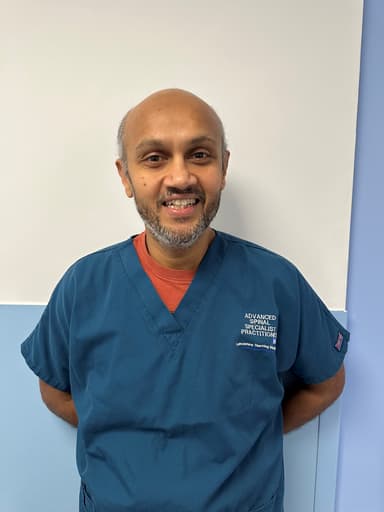
Poorna Veerappa
Advanced Spinal Physiotherapist & Expert Witness
Poorna Veerappa is a Chartered Physiotherapist and Advanced Spinal Practitioner with over 17 years of clinical experience specialising in complex spinal and musculoskeletal conditions. For the past 14 years, he has worked within the orthopaedic spinal team at Lancashire Teaching Hospitals NHS Trust, where he plays a central role in the assessment, diagnosis, and management of acute and chronic spinal pathology, including cauda equina syndrome As an advanced practitioner and team leader, Poorna independently assesses and manages patients with disc prolapse, CES, spinal fractures, spinal deformity, spinal tumours, cord compression, and other high-risk spinal presentations. He is a key member of the North West Trauma Network, triaging spinal referrals from multiple district general hospitals and GP practices, and overseeing complex regional referral pathways Poorna has extensive expertise in ordering and interpreting spinal imaging, including MRI, CT and X-ray investigations, and regularly leads multidisciplinary case discussions as a non-surgical lead and MDT chair. His role also encompasses post-operative audit, clinical governance, and service development within spinal services, giving him detailed insight into real-world outcomes following surgical intervention. He has worked closely with the national Cauda Equina Champions Charity, and has developed and delivered CES-specific training programmes for medical and allied health professionals, focusing on assessment, screening, and management pathways. His clinical work is complemented by significant experience in virtual spinal services, including the development of CES ‘virtual rooms’ providing remote specialist assessment and triage across multiple regions in the UK Alongside his NHS practice, Poorna acts as an Expert Witness in clinical negligence and personal injury claims. He is instructed by both claimant and defendant solicitors and provides expert opinion on liability and physiotherapy-related quantum, with particular expertise in CES, spinal injury, nerve injury, and long-term functional outcome. His combination of frontline CES management, rehabilitation expertise, and medico-legal experience enables him to provide balanced, evidence-based opinions on prognosis, rehabilitation potential, and long-term impact following spinal injury and delayed or sub-optimal care.
Recent Cases
From the Blog