Events
Event Information
Remote Event
Tue 16-Jun-2026, Microsoft Teams
Breast cancer negligence claims often turn on one question: would earlier diagnosis or different treatment have materially changed the outcome? This session focuses on how oncological evidence is used in practice to construct and challenge causation arguments, and where these cases are most vulnerable when scrutinised.

You will see how factors such as tumour biology, treatment responsiveness, and the timing of systemic therapies are used to support or undermine the argument that earlier intervention would have made a difference.
The session will also explore how “loss of chance” is approached in practice, including how counterfactual pathways are constructed and where these arguments tend to break down under scrutiny.
You will gain a more practical understanding of how prognosis, recurrence risk, and long-term outcomes are evidenced, and how these feed into both liability and quantum.
Crucially, it will highlight where expert opinion diverges, what separates stronger from weaker claims, and which aspects of the oncology evidence carry the greatest weight when advancing or defending a case.
This session will help you to:
- Assess when diagnostic delay is likely to have materially impacted stage progression or treatment options
- Interpret how oncologists evaluate treatment decisions in breach of duty disputes
- Analyse “missed window” and loss of chance arguments within breast cancer pathways
- Understand how causation is constructed, including how counterfactual outcomes are tested
- Evaluate prognosis, recurrence risk, and long-term outcomes in the context of quantum
- Identify common weaknesses and pressure points in oncological evidence
About the Speaker
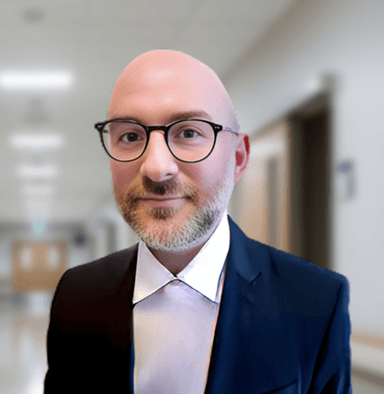
Dr Vasileios Angelis
Consultant Medical Oncologist
Dr Vasileios Angelis is a Consultant Medical Oncologist with a specialist focus on the management of early and metastatic breast cancer. He undertakes medico-legal work in clinical negligence claims, providing expert opinion on breach of duty, causation, and prognosis in breast cancer cases, and is instructed on behalf of both claimants and defendants. He has extensive expertise in systemic anticancer therapies across the full breast cancer pathway, including neoadjuvant, adjuvant, and metastatic treatment. His clinical practice includes the management of complex treatment decisions and evolving therapeutic strategies, informed by his involvement in breast cancer clinical trials.