Stroke Negligence Claims: Dr Kayvan KhadjooI, Consultant Stroke Physician
By Dr Kayvan Khadjooi, Consultant in Stroke Medicine
Posted 17 September 2026
7 Minute Read
In this webinar, Consultant Stroke Physician Dr Kayvan Khadjooi explores the medico-legal issues surrounding stroke misdiagnosis, delayed treatment and missed opportunities to improve patient outcomes.
In this webinar, Consultant Stroke Physician and expert witness Dr Kayvan KhadjooI explores misdiagnosis, delayed treatment and the impact missed opportunities can have on patient outcomes and clinical negligence claims.
About the Speaker
Dr Kayvan KhadjooI is a Consultant in Stroke Medicine at Addenbrooke’s Hospital. He has worked as a consultant since 2012 and has undertaken medico-legal work since 2015, preparing several hundred reports during that time.
His specialist interests include hyper-acute stroke treatment, stroke prevention, transient ischaemic attacks (TIAs), stroke mimics and the clinical issues surrounding thrombolysis and thrombectomy.
Alongside his medico-legal practice, Dr Khadjooi remains actively involved in clinical stroke medicine. During the webinar, he explained how this day-to-day clinical experience helps inform his approach as an expert witness, particularly when assessing what could realistically have been done within the circumstances faced by the treating team.
Key Themes from the Webinar
Dr Khadjooi examines some of the recurring clinical and medico-legal issues seen in stroke negligence claims, including:
- Stroke is primarily a clinical diagnosis. A detailed history and neurological examination remain central, even where early CT imaging appears normal.
- Time to treatment is critical. Delayed diagnosis can result in potentially salvageable brain tissue becoming irreversibly damaged.
- Stroke mimics can complicate diagnosis. Migraine, seizure, hypoglycaemia and other conditions may present with stroke-like symptoms.
- TIAs require appropriate early management. Missed diagnosis and delayed preventative treatment can leave patients exposed to an increased risk of subsequent stroke.
- Hypertension and atrial fibrillation frequently feature in negligence claims, particularly where diagnosis, monitoring, risk stratification or preventative treatment has been missed.
- Causation requires patient-specific analysis. Timing, imaging, neurological deficit, contraindications and the likely availability of treatment all need to be considered.
One of the recurring messages throughout the session is the importance of looking beyond the fact that a treatment was theoretically available. For a medico-legal opinion, Dr Khadjooi explains that the expert must assess whether the patient would genuinely have been eligible for treatment and whether earlier intervention would probably have altered the outcome.
“Time to treatment is the most important factor in hyper-acute treatment.”
Dr Khadjooi also discusses real case examples involving missed TIA, posterior circulation stroke, poorly managed hypertension and atrial fibrillation — demonstrating where questions of breach and causation may arise.
Explore the Full Medico-Legal Analysis
For a more detailed breakdown of diagnostic delay, treatment windows, causation and the key issues solicitors may wish to investigate when reviewing a stroke claim:
Tags:
- Stroke Awareness
- Stroke Claims
- Physician
Expert Disciplines:
- Stroke Medicine
About The Author
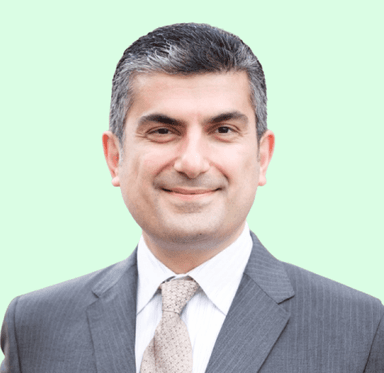
Dr Kayvan Khadjooi
Consultant in Stroke Medicine
Dr Kayvan Khadjooi is a Consultant in Stroke Medicine and has worked as a medico-legal expert for over 11 years. He prepares approximately 40–50 reports each year, covering breach of duty, causation, condition and prognosis across complex stroke cases, including thrombolysis, thrombectomy, TIA, stroke prevention and atrial fibrillation.
Find out why 70+ legal firms partner with INNEG.
Request a callback, or contact us.
INNEG respects your privacy. Any information you share with us will be used only to respond to your query.
Phone
+44 161 870 2461Thank you for your request!
We will get back to you as soon as possible.