Mild Traumatic Brain Injury: When Normal Scans Hide Serious Impact
By Jessica Platt, Marketing Assistant
Posted 18 July 2025
9 Minute Read
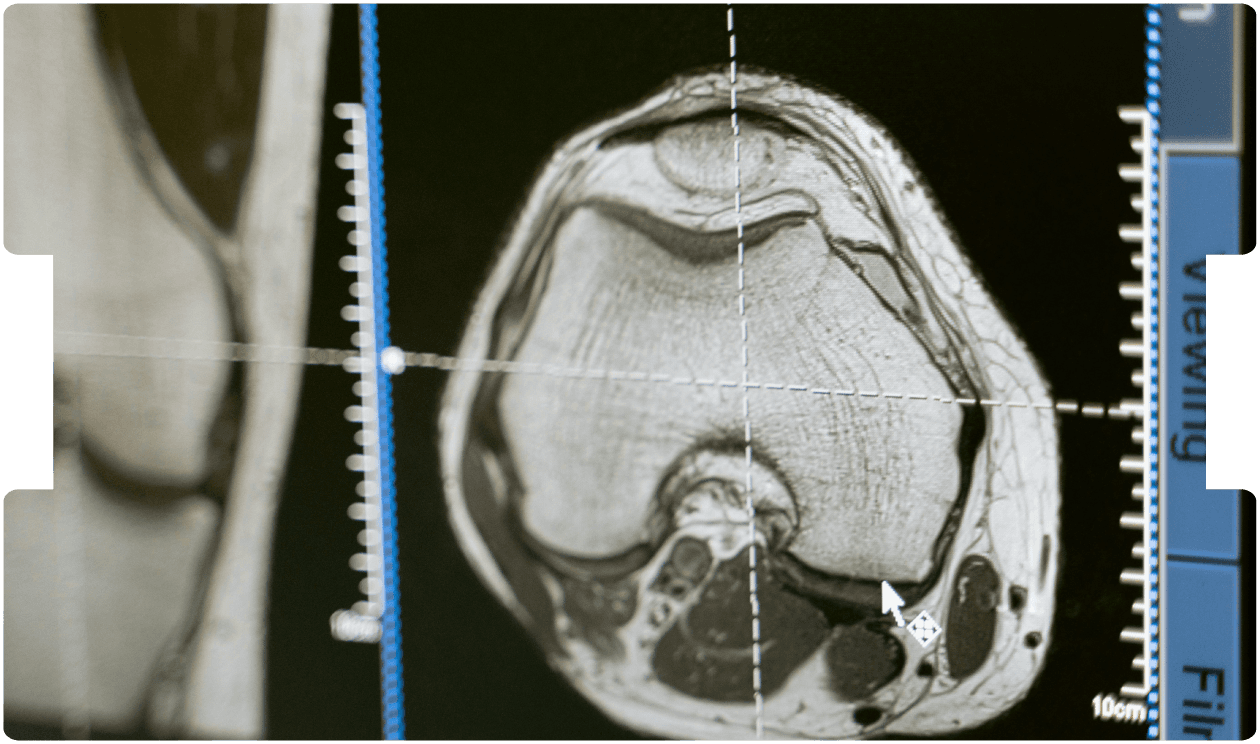
mTBI claims are rarely straightforward. Learn how evolving diagnostics and expert strategies can help solicitors overcome evidentiary hurdles in imaging-negative cases
Mild traumatic brain injury (mTBI) cases sit at the intersection of clinical uncertainty and legal complexity. Standard imaging is often clear, classifications can be misleading, and symptoms persist long after the acute phase. For solicitors, this creates significant evidentiary hurdles.
In our recent medico-legal session with Dr Francesco Manfredonia (Consultant Neurologist) and Ben Handy (Barrister, St John’s Chambers), we explored the clinical limitations of current diagnostic tools, the evolving role of advanced imaging, and practical strategies for handling disputed mTBI claims.
Classification Systems: Clinical Limits
Traditional systems such as the Glasgow Coma Scale (GCS) and Mayo classification are useful in acute triage but break down when applied to long-term outcomes.
As Dr Manfredonia explained:
“Mild doesn’t always mean mild. Patients with a GCS of 15 may still develop severe neuropsychiatric, behavioural, or physical symptoms.”
Key solicitor takeaways:
- Don’t rely on “mild” labelling - prognosis varies widely.
- Post-concussion syndrome terminology is falling out of favour; focus instead on specific symptom complexes.
- Be cautious when opposing experts minimise claims based purely on classification frameworks.
Imaging-Negative Doesn’t Mean Injury-Free
Standard CT and MRI scans often miss subtle pathologies such as microbleeds or axonal damage.
Dr Manfredonia highlighted the value of advanced imaging:
- Diffusion Tensor Imaging (DTI): Detects shearing injuries and inflammation that conventional scans miss.
- Susceptibility Weighted Imaging (SWI): Reveals microbleeds, often visible even months post-injury.
“DTI is literally a button on the scanner - it just needs to be pressed. The issue isn’t technology, it’s awareness and availability.”
For solicitors:
- Ask whether advanced imaging was performed.
- If not, consider whether this omission weakens or strengthens causation arguments.
Beyond Scans: Vestibular & Cognitive Testing
Even without radiological evidence, functional testing can provide objective proof of disruption.
- Vestibular assessments: Demonstrate balance and inner-ear dysfunction - hard to feign, strongly correlated with trauma.
- Neuropsychological expert witnesses use structured, repeatable testing batteries to evidence cognitive deficits, creating robust medico-legal weight.
“You can’t trick vestibular tests. If they’re abnormal, they’re abnormal - and that tells us something important about brain function.”
Mechanism of Injury: Why Detail Matters
The mechanism of trauma - direction of force, rotational vs. linear acceleration - often explains why some patients suffer long-term damage despite “normal” scans.
Dr Manfredonia emphasised:
“Don’t skimp on accident detail. Understanding the mechanism helps us know where to look for injury - especially in cases involving rotational forces.”
Solicitor practice point: When instructing experts, include comprehensive accident details (movement, forces, speed, context). Missing context can undermine both clinical and legal analysis.
Evolving Classifications: What’s Next?
Newer international models (Scandinavia, US NIH) use multi-pillar approaches combining:
- Clinical signs
- Repeated GCS
- Biomarkers
- Advanced imaging
- Modifiers (e.g. age, anticoagulation, comorbidities)
“The Mayo scale is too blunt. Multi-pillar systems may better predict outcomes - and will influence expert credibility in litigation.”
Solicitors should be alert: evolving classifications may redefine what constitutes “reasonable” clinical assessment.
Key Takeaways for Solicitors
- Mild ≠ minor - clients can face long-term impairment despite normal imaging.
- Advanced imaging - DTI and SWI may reveal causation in disputed claims.
- Functional testing counts - vestibular and cognitive results provide objective evidence.
- Mechanism is critical - detailed accident narratives support neurological assessment.
- Classifications are shifting - anticipate change in medico-legal standards.
“Mild brain injury is a misleading term - it covers a multitude of outcomes.” – Dr Francesco Manfredonia
“Mechanism matters. Accident details help us assess damage patterns.” – Dr Francesco Manfredonia
Watch the full webinar with Dr Francesco Manfredonia and Ben Handy here >
Tags:
- mTBI
- Traumatic Brain Injury
- Brain Trauma
- Causation
- Brain Imaging Litigation
- Neurological Infection
Expert Disciplines:
- Neurology
About The Author

Jessica Platt
Marketing Assistant
Jessica Platt is the Marketing Assistant at INNEG, where she helps bring clarity, consistency, and creativity to every client touchpoint. Passionate about purposeful communication, she supports INNEG’s mission to simplify the complex and spotlight the value behind medico-legal services.
From the Blog
Related Articles

Spinal pain remains one of the most complex areas in medico-legal reporting, particularly where imaging does not align with symptom severity.
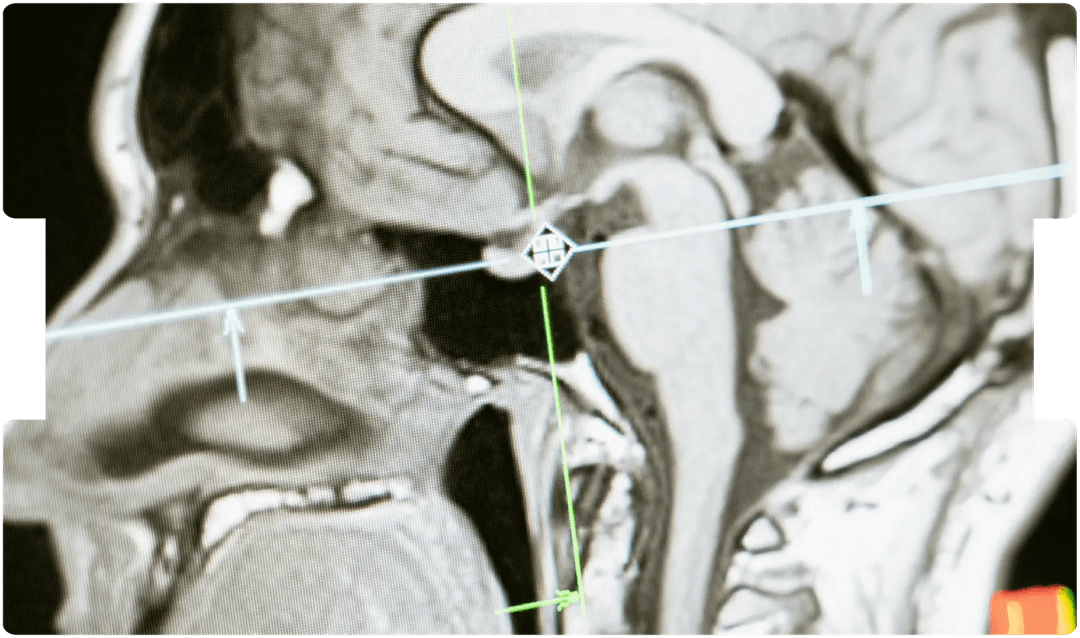
Understand when to instruct a radiologist vs a radiographer in clinical negligence claims - real case examples help clarify expertise, scope, and legal relevance in diagnostic imaging cases.
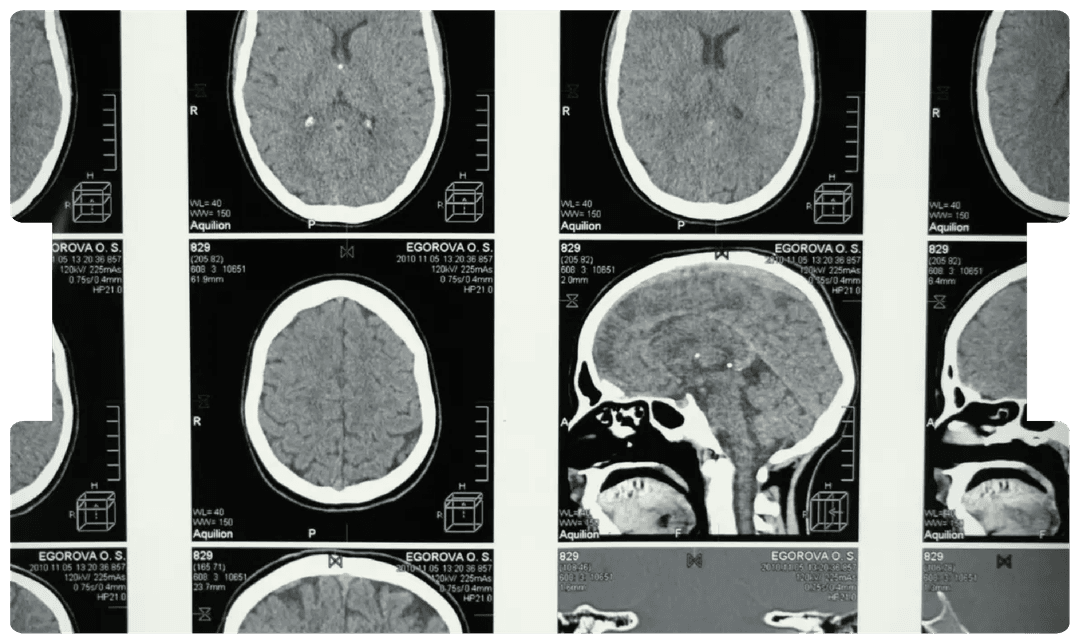
Sharpen your approach to complex claims involving functional symptoms. This expert-led guide helps distinguish genuine neurological disorder from malingering - crucial in high-stakes cases.
Find out why 70+ legal firms partner with INNEG.
Request a callback, or contact us.
INNEG respects your privacy. Any information you share with us will be used only to respond to your query.
Phone
+44 161 870 2461Thank you for your request!
We will get back to you as soon as possible.