Resource Centre
Enter a search term

Stroke Misdiagnosis and Treatment Delay: Medico-Legal Insights
By Dr Kayvan Khadjooi, Consultant in Stroke Medicine
This article examines the key medico-legal issues around diagnostic delay, treatment windows, stroke prevention and causation, drawing on Dr Kayvan Khadjooi’s clinical and expert witness experience.
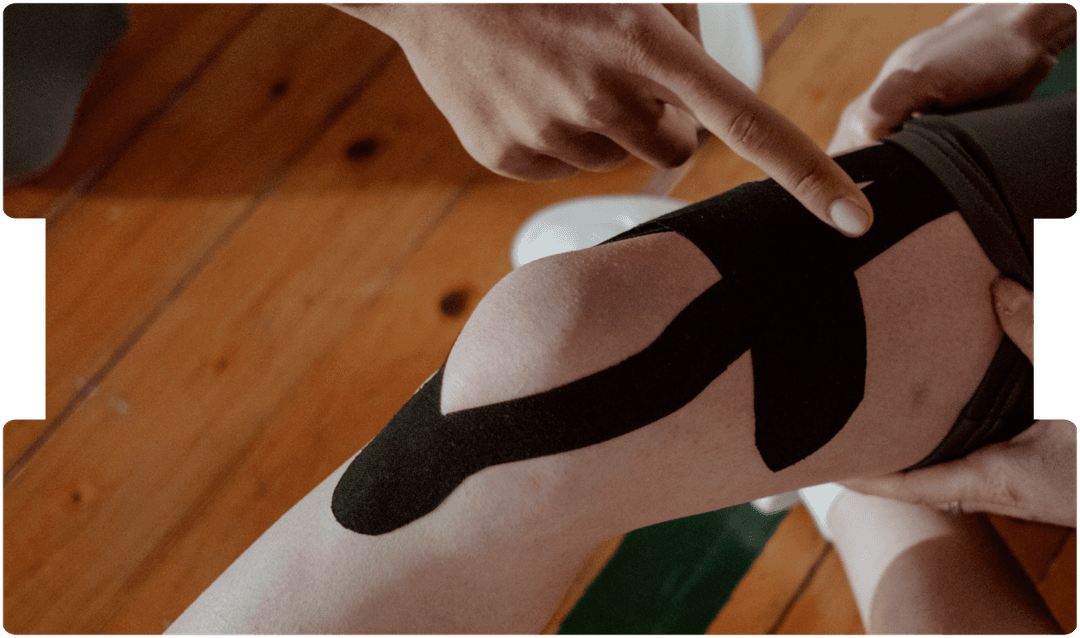
Paediatric Bone and Joint Infection: Diagnosis, Medical Management, Surgical Principles and Avoiding Long-Term Harm
By Mr Max Mifsud, Consultant Orthopaedic Surgeon
For solicitors reviewing potential paediatric bone and joint infection claims, the focus is rarely just whether antibiotics were given. The more important questions are whether infection was considered early enough, whether imaging and microbiological investigations were adequate, whether surgery addressed the true extent of disease, and whether follow-up accounted for growth, function and long-term harm.
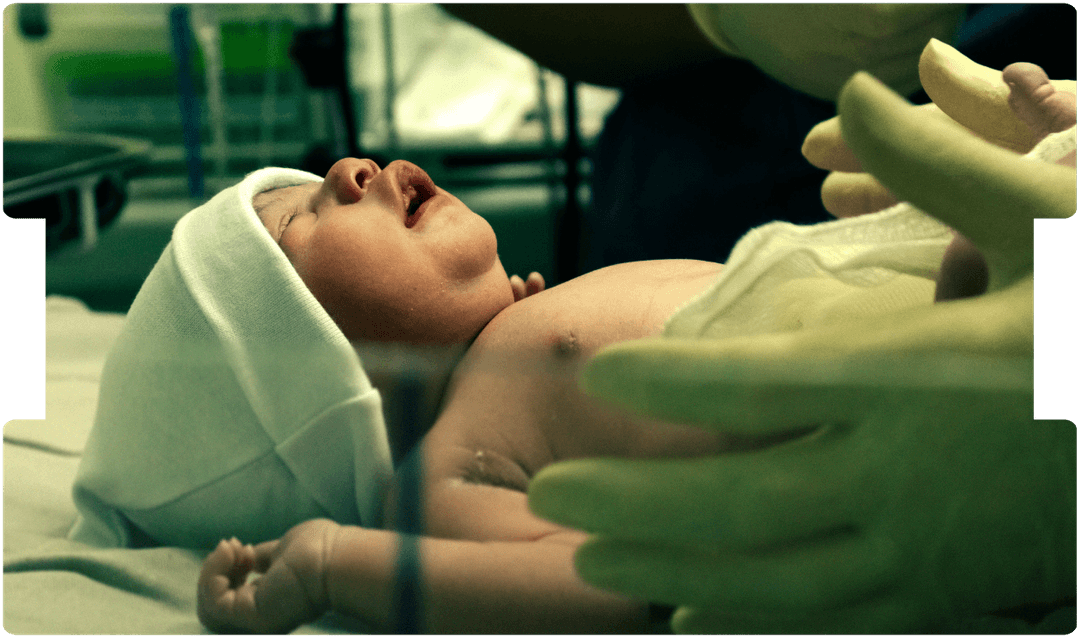
Paediatric Neurological Injury: Prognosis, Causation and Medico-Legal Evidence
By Dr Anirban Majumdar, Consultant Paediatric Neurologist
One of the most important points for solicitors dealing with birth injury claims is that an early MRI scan cannot necessarily answer every question about a child's future.

Anorexia Nervosa - Where Law, Ethics and Medicine Collide
By Dr Matthew Cahill, Consultant Psychiatrist
When does a patient’s refusal of treatment reflect genuine capacity - and when is anorexia nervosa driving the decision?
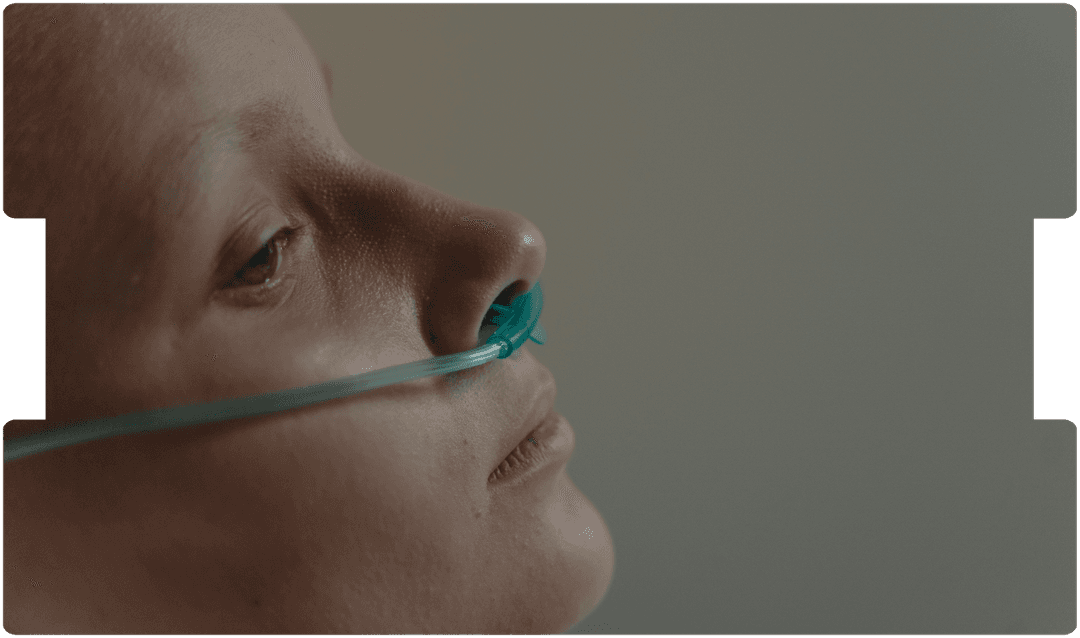
Beyond Survival: Causation, Prognosis and Future Risk in Cancer Claims
By Professor Justin Stebbing, Professor of Cancer Medicine and Medical Oncology
How should solicitors assess causation when a cancer patient survives, but is left facing more aggressive treatment, lasting complications and an increased future risk because of a negligent delay or error?

Capacity Assessments in Individuals with ASD, ADHD, and Intellectual Disability: Medicolegal Considerations
By Dr Ian S. Groeber , Consultant Psychiatrist
Could a capacity assessment be fundamentally flawed even when the individual appears to understand every question? In cases involving ASD, ADHD or intellectual disability, the answer may be yes.

Recurrent Laryngeal Nerve Injury After Thyroid Surgery: A Medico-Legal Overview
By Mr Radu Mihai, Consultant Endocrine Surgeon
Could a client’s post-operative voice change point to more than a recognised complication - and what evidence should you examine before deciding?

Medicolegal Implications of Coeliac Disease and Other Gluten-Related Disorders
By Dr Jeremy Woodward , Consultant Gastroenterologist
Could a missed coeliac diagnosis, a contaminated meal or a workplace catering issue become your next claim?
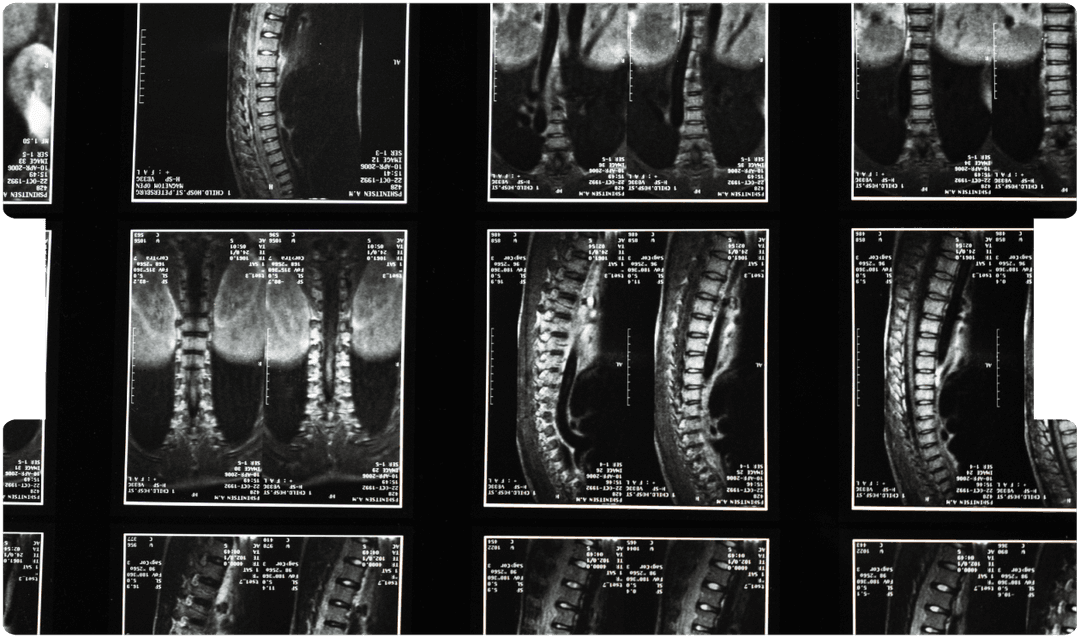
Missed Cauda Equina and Spinal Cord Compression: Medico-Legal Insights
By Mr Nikolaos Tzerakis, Consultant Neurosurgeon and Spinal Surgeon
A medico-legal overview of missed cauda equina syndrome and spinal cord compression, exploring red flags, urgent imaging, documentation failures and key considerations for solicitors handling spinal negligence claims.

Emergency Department Delays: Where Breach and Causation Really Sit
By Mr Sohom Maitra , Consultant in Emergency Medicine and Major Trauma
In ED delay claims, the issue is rarely just whether treatment was late - it is whether the delay was legally meaningful.

Hidden Brain Injury Deficits: Understanding Impact and Legal Implications
By Dr Simon Redpath, Consultant Neuropsychologist
For solicitors handling brain injury claims, this article highlights the hidden deficits that can shape causation, prognosis, and quantum.

Melanoma and Skin Cancer Claims: Causation Challenges
By Dr Stephen Falk, Consultant Oncologist
Skin cancer claims can involve complex questions of missed diagnosis, evolving treatment outcomes and causation uncertainty. Expert oncology evidence is essential in determining whether delay materially changed the outcome, or whether breach alone is insufficient to support the claim.

Breast Cancer Negligence Claims: Delay, Treatment Decisions and Oncological Outcomes
By Dr Vasileios Angelis, Consultant Medical Oncologist
For a deeper breakdown of the medico-legal issues, causation arguments and practical case examples, read the full article here.

Neuro-Oncology Claims: Imaging, MDTs & Causation
By Professor Sotirios Bisdas, Consultant Neuroradiologist
Neuro-oncology litigation often turns on what imaging showed, what should reasonably have been identified, and how those findings influenced clinical decision-making.
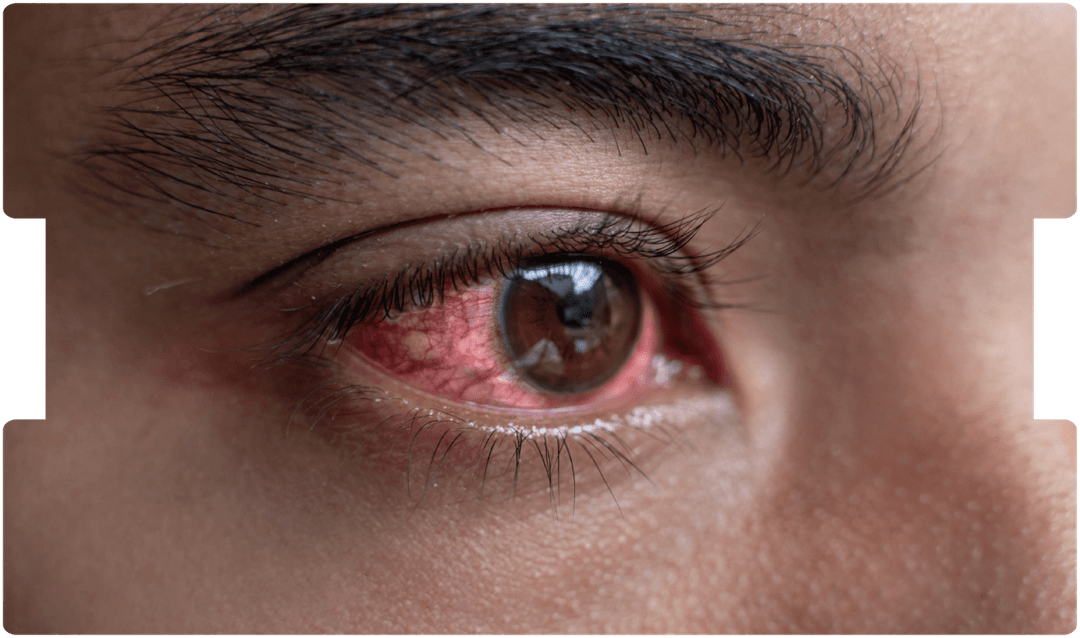
Optometry Claims: Breach of Duty, Referral and the Role of Expert Evidence
By Dr Anna Kwartz, Optometrist
Dr Anna Kwartz explains the common breach of duty issues in optometry claims, from missed retinal detachments and glaucoma to the importance of digital imaging and complete clinical records.
You have viewed 0 of 124 items
Find out why 70+ legal firms partner with INNEG.
Request a callback, or contact us.
INNEG respects your privacy. Any information you share with us will be used only to respond to your query.
Phone
+44 161 870 2461Thank you for your request!
We will get back to you as soon as possible.