Understanding Functional Loss in Hand & Wrist Injury Claims
By Mr Rupert Wharton, Consultant Trauma and Orthopaedic Surgeon
Posted 06 May 2026
6 Minute Read
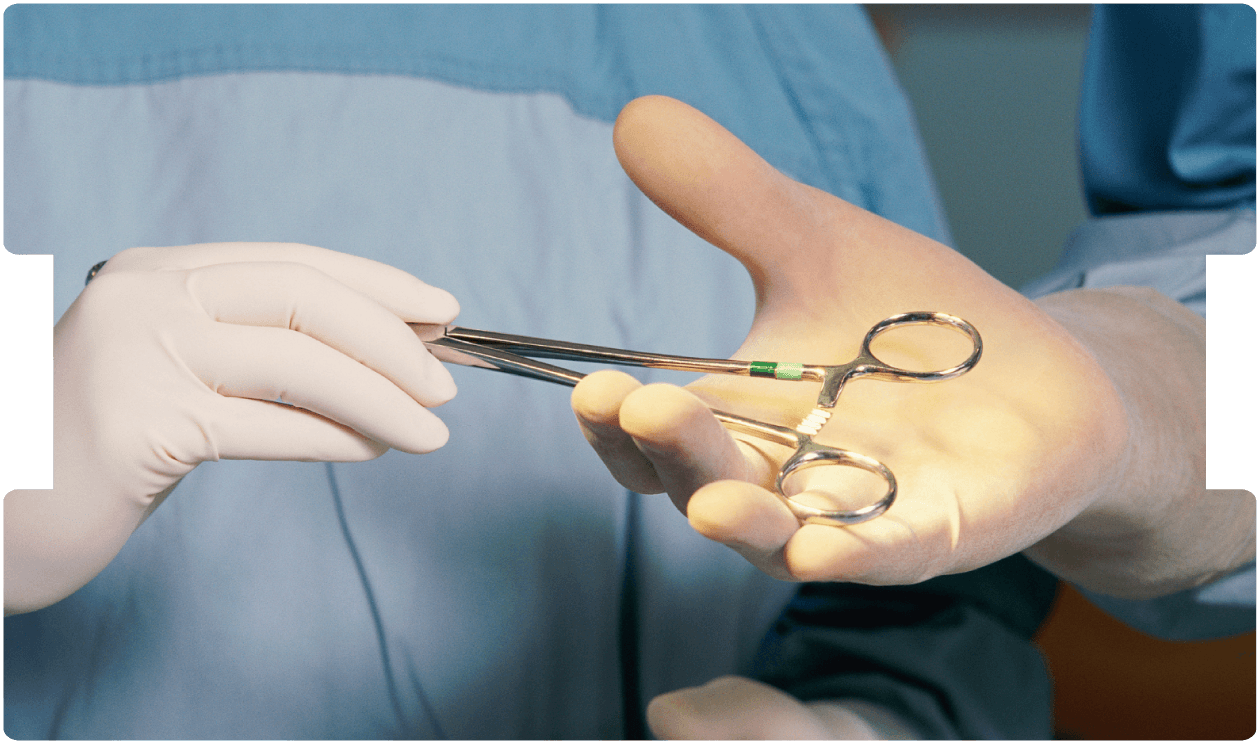
From missed tendon injuries to chronic pain and loss of grip strength, hand and wrist trauma can carry far greater medico-legal consequences than initial imaging alone may suggest.
Hand and wrist injuries are frequently underestimated in personal injury claims. While some fractures and soft tissue injuries may initially appear straightforward, the long-term impact on function, employment, hobbies and quality of life can be profound. In this INNEG webinar, Consultant Hand & Wrist Surgeon Mr Rupert Wharton examined how these injuries are assessed in medico-legal practice, why prognosis is often unpredictable, and how subtle functional deficits can significantly influence valuation and future loss claims.
Watch the full webinar with Mr Rupert Wharton here >
Why Hand & Wrist Injuries Require Careful Medico-Legal Assessment
Unlike many orthopaedic injuries, outcomes following hand and wrist trauma do not always correlate neatly with imaging findings. During the webinar, Mr Wharton explained that patients with severe-looking X-rays can sometimes function surprisingly well, while relatively minor fractures may result in substantial stiffness, chronic pain, weakness, or loss of dexterity.
This distinction is particularly important in litigation. The true value of a claim is often determined less by what was fractured and more by the residual functional deficit that remains after treatment. For many claimants, ongoing difficulties with grip strength, fine motor activity, driving, hobbies, or manual work can have a major impact on both employment and everyday independence.
As Mr Wharton noted during the session:
“The value of the claim is not determined by what’s broken, but rather what the residual functional deficit is.”
Functional Loss Often Extends Beyond the Initial Injury
One of the key themes explored throughout the webinar was the disproportionate functional impact certain hand injuries can cause. Finger injuries, tendon injuries and nerve damage may appear relatively localised, yet they frequently lead to long-term impairment.
Mr Wharton discussed how even fingertip amputations can create significant problems with grip, sensation and dexterity. Loss of finger length alters how the hand functions as a unit, particularly in relation to pinch grip and thumb opposition. In many cases, patients also develop painful neuromas following nerve damage, causing severe sensitivity and electric shock-type pain during routine activity.
The webinar also highlighted the challenges associated with tendon injuries. Flexor tendon repairs, in particular, commonly lead to stiffness and scar tethering despite technically successful surgery. While patients may expect surgery to restore normal function, this is often not achievable in practice.
Nerve injuries present additional complexity. Unlike fractures, nerve repairs rarely return function completely to normal. Persistent altered sensation, weakness and chronic neuropathic pain are common, and some claimants may ultimately require further surgery years after the original injury.
Wrist Injuries & The Risk of Long-Term Degeneration
Mr Wharton also explored the wide spectrum of wrist injuries seen in medico-legal practice. Some fractures recover relatively well within six months, while others lead to progressive instability, chronic pain and secondary osteoarthritis.
Particular attention was given to scaphoid injuries and ligament damage involving the scapholunate complex. These injuries are notoriously difficult to manage and frequently carry long-term degenerative consequences even where surgical reconstruction appears technically successful.
Importantly, Mr Wharton emphasised that normal initial imaging does not necessarily exclude significant injury. Scaphoid fractures and ligament injuries are often missed on early X-rays, meaning some claimants may continue working or carrying out normal activities before a delayed diagnosis is eventually made.
This can become highly relevant in both causation analysis and prognosis reporting, particularly where delayed treatment has influenced long-term outcome.
Psychological Impact Is Frequently Under-Recognised
A recurring theme throughout the webinar was the psychological effect of hand and wrist trauma. Many claimants experience ongoing anxiety, loss of confidence, social embarrassment or difficulty returning to previous activities long after physical healing has occurred.
Mr Wharton explained that visible deformity, scarring and loss of hand function can carry significant psychological consequences because the hands are such a socially visible and functionally important part of daily life.
Cyclists involved in road traffic collisions, for example, may never return comfortably to cycling despite technically successful orthopaedic treatment. Similarly, manual workers who rely heavily on hand function often experience ongoing fear around reinjury and reduced confidence at work.
For this reason, psychological assessment should often be considered alongside orthopaedic expert evidence in more serious hand injury claims.
Medico-Legal Considerations in Hand Injury Claims
The webinar provided valuable insight into how solicitors can approach hand and wrist claims more effectively from a medico-legal perspective.
One important consideration is timing. Mr Wharton advised that early settlement may not always be appropriate because prognosis in hand and wrist injuries frequently remains uncertain for 12 to 24 months after injury. Symptoms such as stiffness, pain, grip weakness and cold intolerance often continue evolving well beyond initial discharge from hospital care.
The session also explored the importance of understanding future treatment needs. Depending on the injury, claimants may require further hand therapy, steroid injections, reconstructive surgery, prosthetics, neuroma procedures, or long-term adaptive equipment such as thermal gloves for outdoor work.
Another significant discussion point involved the Judicial College Guidelines and the role of hand dominance in valuation. While dominant hand injuries are often viewed as more serious, Mr Wharton highlighted that non-dominant hand injuries can still create substantial functional limitations and should not automatically be undervalued.
Key Takeaways for Solicitors
Hand and wrist injury claims often require more nuanced analysis than the initial diagnosis alone may suggest. Functional loss, psychological impact, future surgery risk and long-term vocational consequences frequently become the defining issues within valuation and settlement discussions.
The webinar reinforced several practical considerations for solicitors handling these cases:
- Prognosis in hand and wrist injuries may remain uncertain for many months
- Apparently minor injuries can produce severe long-term functional impairment
- Nerve and tendon injuries often lead to ongoing symptoms despite treatment
- Psychological sequelae are common and frequently under-recognised
- Functional limitation should remain central to quantum assessment
As Mr Wharton explained:
“Hospital discharge doesn’t necessarily mean normal function.”
Tags:
- Hand and Wrist Surgery
- Orthopaedic Trauma
- Orthopaedic Expert Witness
Expert Disciplines:
- Orthopaedic Surgery
About The Author

Mr Rupert Wharton
Consultant Trauma and Orthopaedic Surgeon
Mr Rupert Wharton is a Consultant Trauma and Orthopaedic Surgeon specialising in hand and wrist surgery, with NHS and private practice in London. He has undertaken medico-legal work since 2023, preparing around 200 Personal Injury reports per year, with an 80% Claimant, 10% Defendant and 10% joint instruction split.
His specialist expertise includes hand and wrist fractures, ligament and tendon injuries, nerve injury and compression, carpal and cubital tunnel syndrome, Dupuytren’s disease, sports injuries, wrist arthroscopy and thumb arthritis.
From the Blog
Related Articles
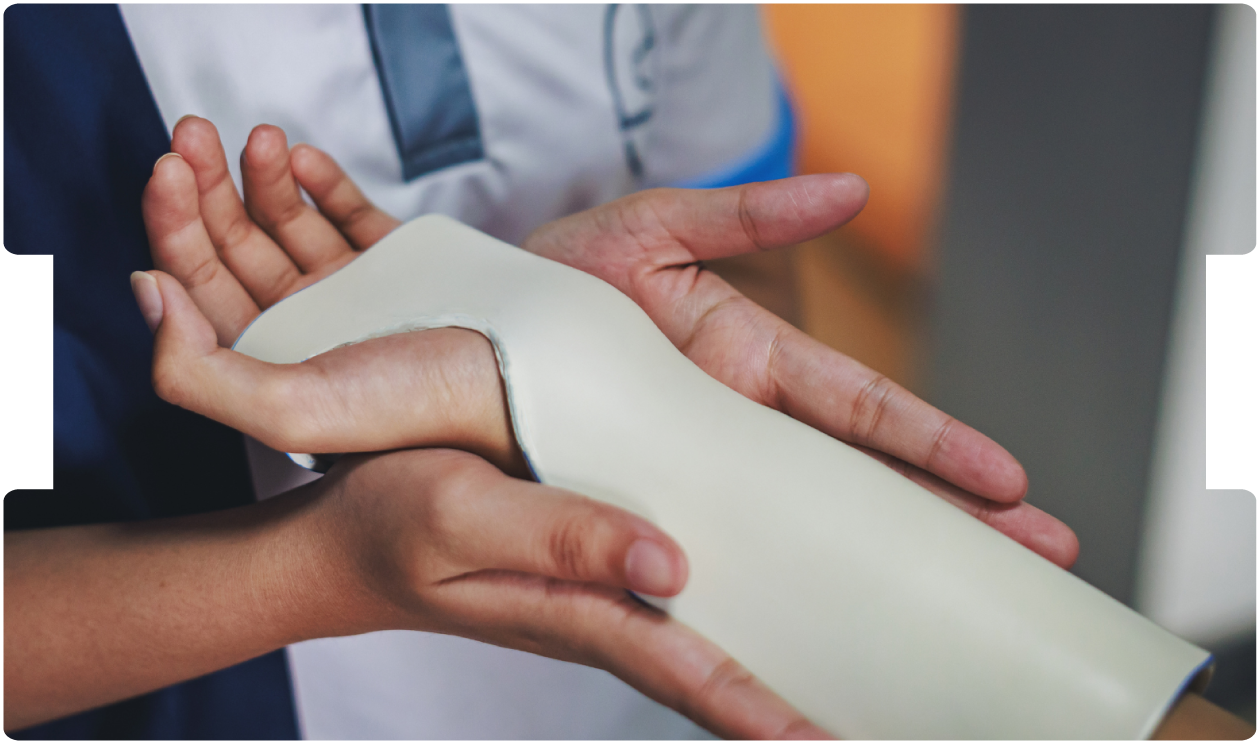
Hand injuries present unique challenges in personal injury litigation, where functional and aesthetic losses often intersect. In his recent webinar, Consultant Orthopaedic Surgeon Mr Rupert Wharton offers a deep dive into the anatomical and legal intricacies of these cases.
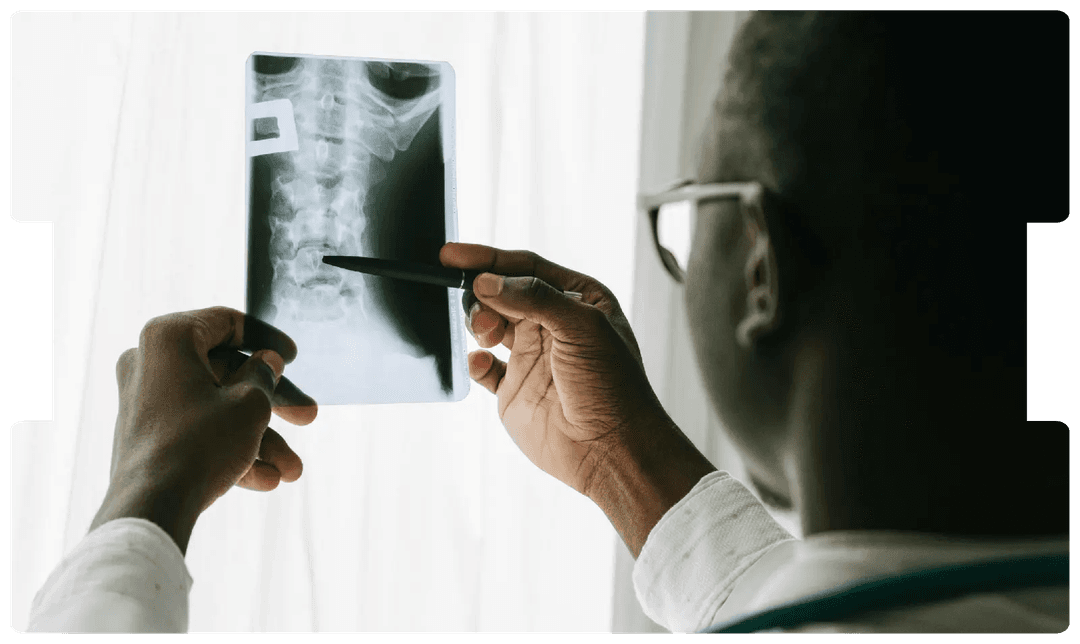
Understand how orthotic interventions shape spinal injury rehabilitation outcomes - essential for identifying overlooked care needs, building stronger claims, and maximising compensation accuracy.

Hand and wrist injuries can have a significant impact on daily function, employment, and long-term quality of life - even where the initial injury appears relatively minor.
Find out why 70+ legal firms partner with INNEG.
Request a callback, or contact us.
INNEG respects your privacy. Any information you share with us will be used only to respond to your query.
Phone
+44 161 870 2461Thank you for your request!
We will get back to you as soon as possible.