The Role Of Orthotics In The Management Of Spinal Injuries
By Scott Frame, Principal Orthotist
Posted 17 July 2022
5 Minute Read
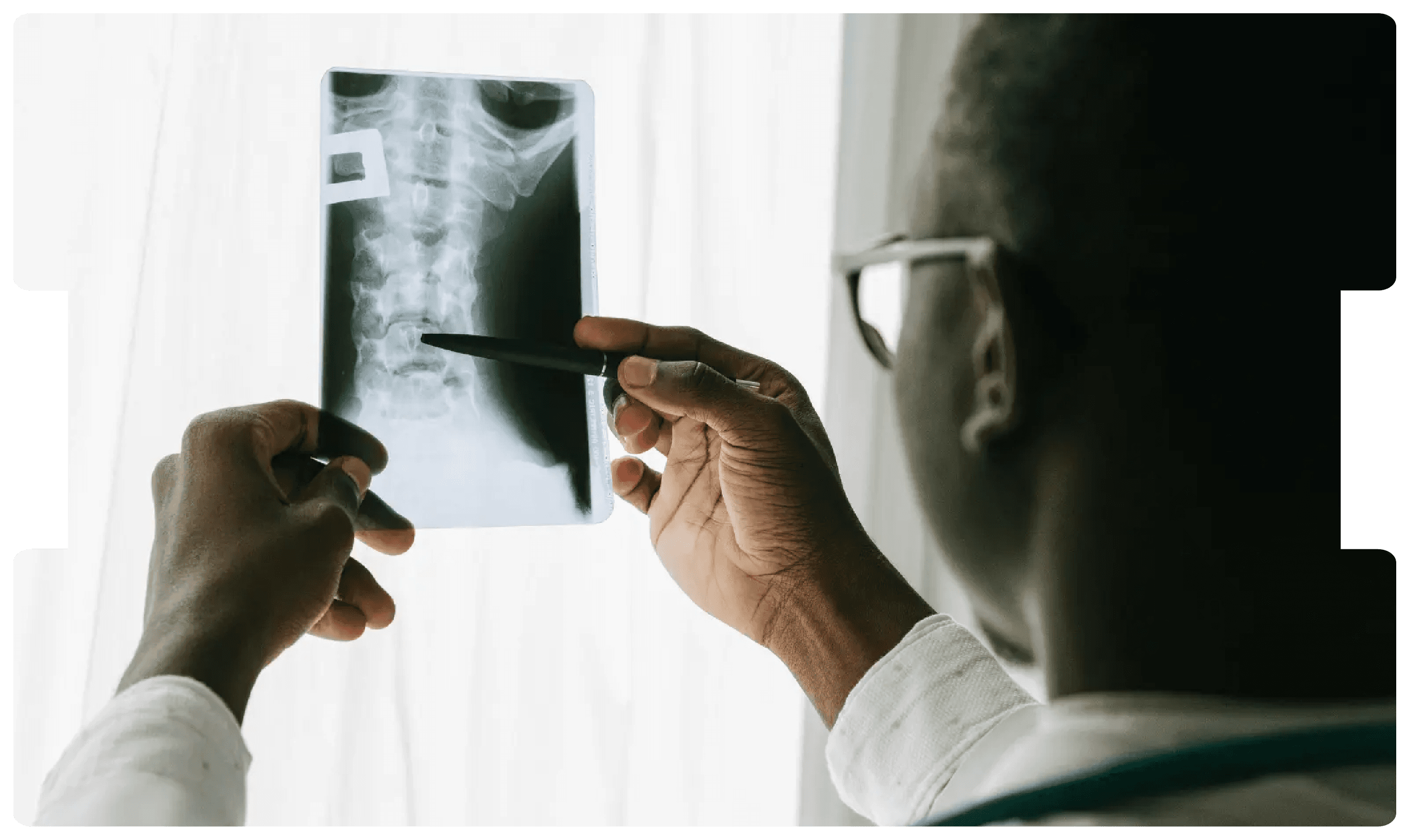
Orthotics play a vital role in supporting spinal injury recovery. This blog explores how tailored devices aid mobility, improve posture, and enhance quality of life for patients with spinal trauma.
By Scott Frame Principal Orthotist and Expert Witness
It is common practice for Orthotists to be involved in the management of patients with spinal cord injuries. This may be at the acute stage of injury, where a spinal brace may be fitted to restrict range whilst healing occurs, or, further down the line, where neurological issues to the upper or lower limbs require orthotic management to facilitate and optimise recovery.
The most frequent applications of Orthotic management are:
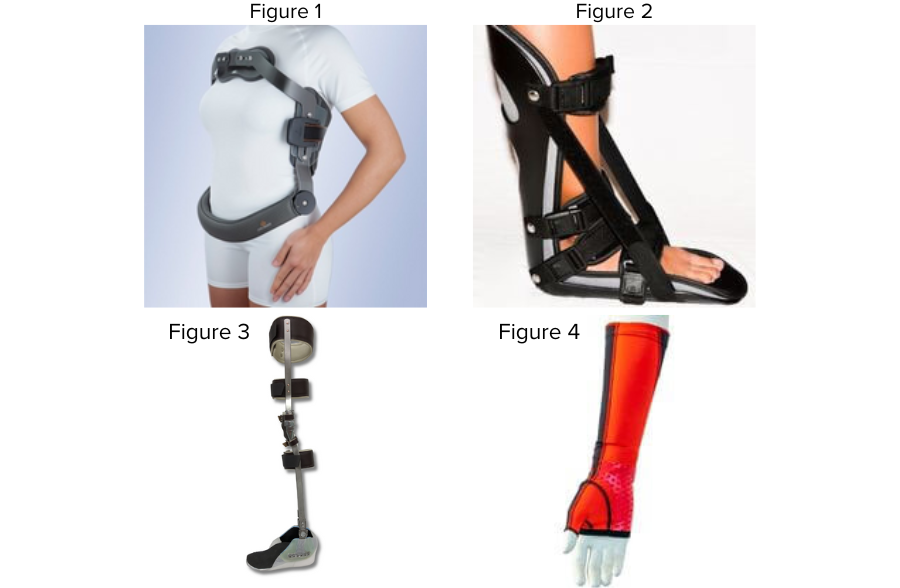
1. Acute Bracing (figure 1)
Restricts gross movements whilst bone healing occurs.
2. Contracture Management (figure 2)
Where there is abnormal neurology (upper and/or lower limbs), devices can be used as part of a co-ordinated therapy program, to manage the risk of contracture development.
3. Knee, Foot and Ankle Function (figure 3)
It is common to see impairment, either hyper or hypo tonicity, of the muscle groups around the knee, foot and ankle. This most commonly affects stability of the knee (buckling) during stance phase, clearance of the foot (drop foot/hypertonicity) during the swing phase of gait, and, ankle stability (spraining the ankle) during the stance phase component. Devices can be used to manage these specific issues and play an important role in assisting the wear to be safe and as efficient as possible during weight bearing and walking.
4. Upper Limb Function (figure 4)
The majority of devices are provided to manage the risk of contracture. However, there are also, compression garments (lycra sleeves) which can be helpful in bridging the requirement to restrict specific movements whilst the compression assists in improving proprioception (awareness of where the joints are in space). These can be helpful in encourage use of a neglected limb, where there may be sensory/motor disfunction.
5. Other
Other orthotic requirements include compression hosiery, prescription footwear, insoles, conservative spinal braces and protective headwear. There are a broad range of applications available where selection of the appropriate device would be aligned to the goals of treatment at any given stage of injury and rehabilitation.
As A Solicitor, How Will I Know If My Client Would Benefit From or Require Orthotic Treatment?
It would be most common practice for Physiotherapists, spinal injury consultants, rehabilitation medicine consultants and other therapists, such as Occupational Therapists, to identify a functional or alignment issue, who would subsequently recommend a need for orthotic assessment and/or provision.
Clinicians dealing with spinal injuries on a regular basis will be familiar with the role of an orthotist, however, should the Claimant have functional or alignment impairment, it may be helpful to simply include the question within the instruction, ‘Would the Claimant benefit from any orthotic interventions?’
In the preparation of their Expert Witness report, whilst it can sometimes be helpful to have specific, brand name, recommendations made within their report, it is often better to avoid going to such specifics.
Where an Orthotist has been instructed, they will review the available evidence (identifying those points relevant to orthotic provision), assess the Claimant’s presentation, consider the Claimant’s activity level and goals and finally, consider the whole of market options. This should include a clearly itemised list of recommendations, range of costs and a renewal and replacement rate; typically structured on an annualised basis. Any recommendations made, benefit from a clear rationale to assist the court to understand the why any given device has been recommended and will assist in joint discussions, should there be a difference of opinion.
Effective orthotic treatment often relies on thorough in-person assessments—read more about why this is crucial in our blog on why face-to-face examinations matter in spinal injury claims.
What Are The Factors That Can Influence The Costs Associated With Orthotic Provision?
As with all interventions, there is a broad number of factors. However, some of the key points to consider would include;
What is the initial cost of the device(s)?
These can range from < £30 for a simple internal shoe raise through to, custom footwear and insoles which may range from £450 - £1500 per pair, all the way up to approximately £75,000 for the highest end KAFO (full leg brace) which has the most advanced electronic knee micro-processor.
What will be the replacement rate?
Often, this is where costs may increase/decrease. This would apply to almost all orthotic devices, as the stresses placed upon them can be significant and the materials will subsequently degrade and fail. The factors that need to be considered would include;
What is the patient’s activity level? Do they undertake specific activities, such as sports?
How much weight bearing do they do? Do they use other mobility aids (e.g. wheelchair) for getting around?
Does their functional issue or alignment place a greater degree of stress than normal upon the device?
Is the environment they will be spending time (e.g. work) going to result is an increased/reduced rate of wear?
And. What is very useful in providing more conclusive estimate of usage…
Access to any prior orthotic records, as this can provide a more comprehensive resume of the repair, renewal cycles and whether the devices had been used.
Spinal trauma can sometimes coincide with neurological complications—this post on post-traumatic epilepsy explores another layer of complexity in injury claims.
About the Author:
My name is Scott Frame, I’m the Principal Orthotist for Aneurin Bevan University Health Board in South Wales. I have over 20+ year’s experience working as an Orthotist delivering Orthotic care across Orthopaedic, Neurology, Paediatrics and Diabetic high risk foot clinics. I remain actively practicing and sit on the National Service Development Group for Wales, where we establish guidelines, pathway’s and best practices for Orthotic services across Wales. I have been delivering Expert Witness Services, in both Clinical Negligence and Personal Injury cases, since 2013, and have a range of clinic locations throughout England and Wales.
Scott Frame can be contacted for all medico-legal work and to request his CV at scottframe@inneg.co.uk.
Tags:
- Spinal Injury
- Spinal Expert Witness
- Spinal Trauma
- Orthotic Equipment
- Orthotist Expert Witness
Expert Disciplines:
- Orthotics & Prosthetics
About The Author
Scott Frame
Principal Orthotist
Scott Frame is a Principal Orthotist and Expert Witness with 13 years’ medico-legal reporting experience, having undertaken expert work since 2013 and Clinical Negligence reporting since 2014. He prepares around 10–20 reports per year for Claimants, Defendants and joint instructions, and has experience preparing joint statements.
His specialist expertise includes orthotic management of complex foot and ankle injuries, neurological conditions, paediatric and diabetic presentations, and wider orthopaedic rehabilitation, making him particularly suited to Personal Injury and Clinical Negligence instructions involving orthotic needs, mobility and long-term functional management.
From the Blog
Related Articles
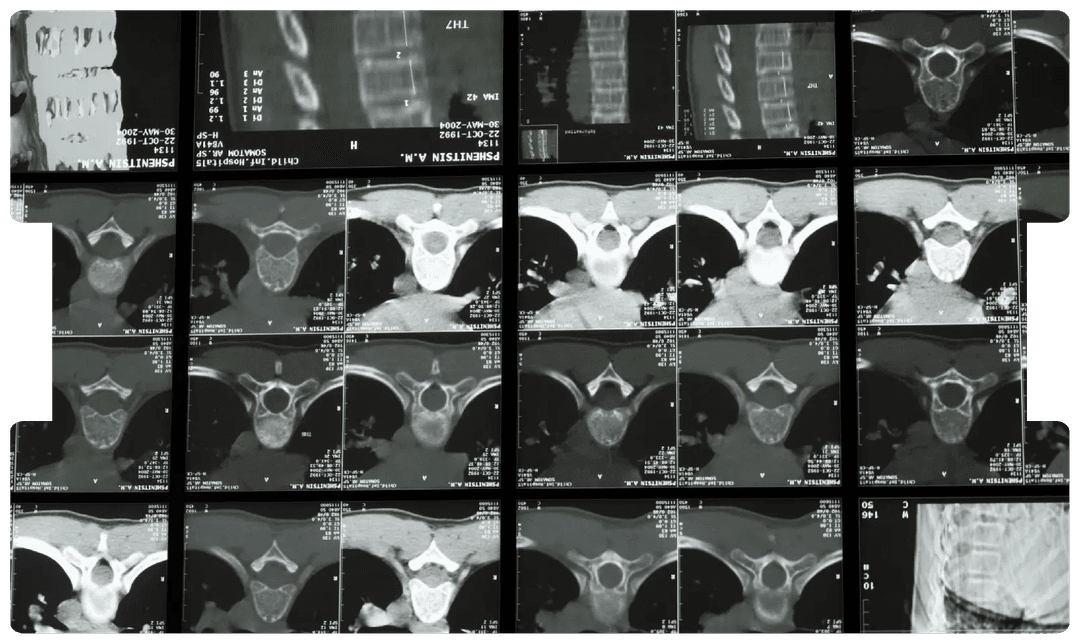
Understand why remote spinal assessments risk flawed medico-legal evidence - and why face-to-face exams are vital for defensible, accurate reports in spinal injury and negligence cases.
Gain expert insights into missed fracture claims, highlighting risks, timely reporting, and practical steps to reduce litigation exposure in clinical negligence cases involving radiology.
Sharpen your approach to complex claims involving functional symptoms. This expert-led guide helps distinguish genuine neurological disorder from malingering - crucial in high-stakes cases.
Find out why 70+ legal firms partner with INNEG.
Request a callback, or contact us.
INNEG respects your privacy. Any information you share with us will be used only to respond to your query.
Phone
+44 161 870 2461Thank you for your request!
We will get back to you as soon as possible.