Missed Fractures - A Medico-Legal Experience Over 9 Years
By Dr Whitehouse
Posted 24 January 2021
5 Minute Read
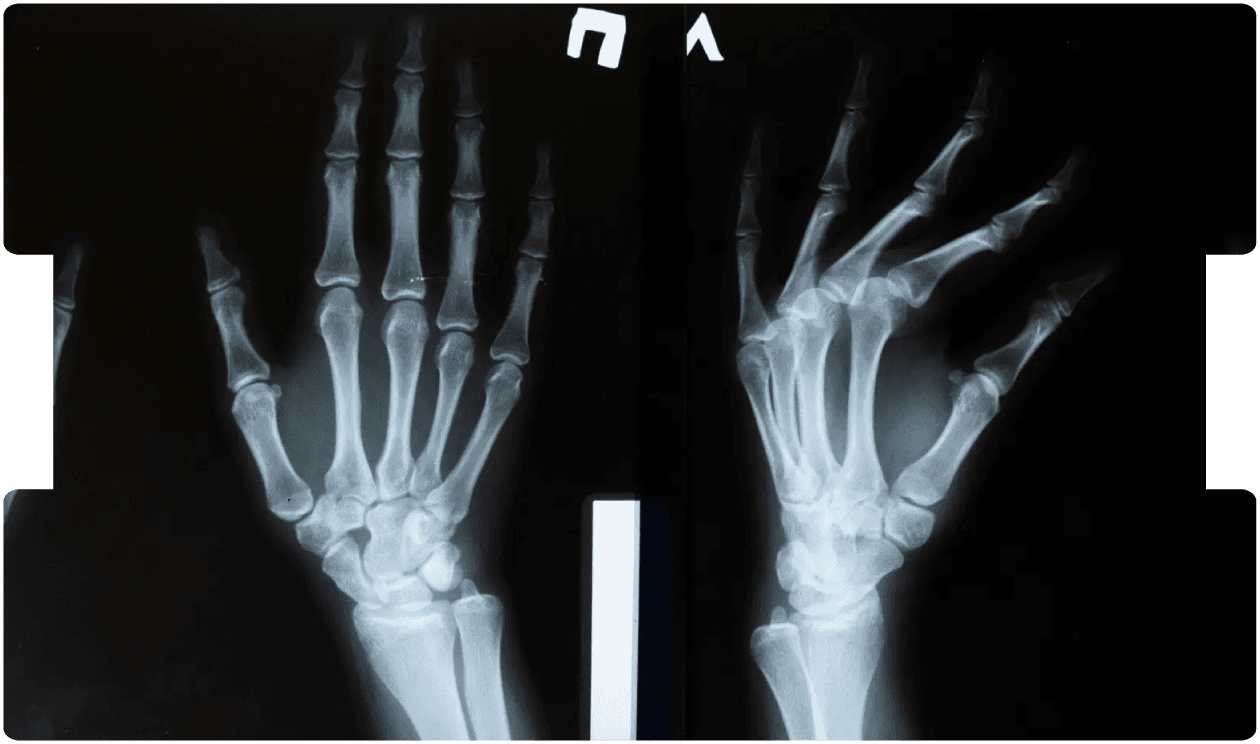
Missed fractures can lead to costly litigation despite guidelines. Dr. Whitehouse explores why timely, accurate radiology reports matter - and why clinicians must stay vigilant even after initial imaging.
By Dr. Richard Whitehouse, Consultant Radiologist
The National Institute for Health and Care Excellence (NICE) published guidance on management of “non-complex” fractures in February 2016. Two of the recommendations are pertinent to this blog;
That radiographs, performed in the Emergency department on the patients’ first attendance, should have the formal report available before the patient leaves the department.
That MRI should be considered for the first line imaging investigation in people with suspected scaphoid fractures.
Separate NICE guidance on hip fracture also recommends MR (or CT if MR not available) when plain radiographs are non-diagnostic and clinical suspicion persists.
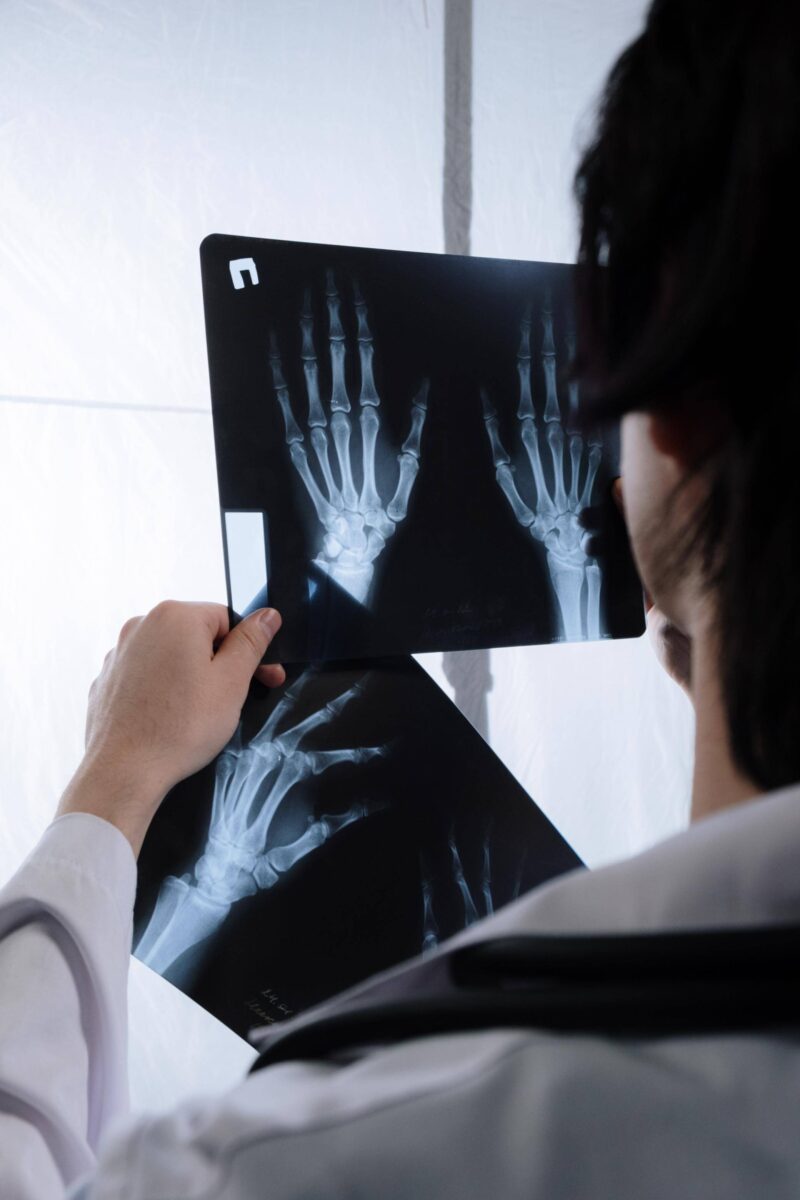
Is it possible that these recommendations will resolve the problem of missed fractures, and particularly missed scaphoid fractures, resulting in less litigation? (The litigation cost of missed scaphoid fractures was £41,680 per case in 2015).
Unfortunately I think not. Although there are many publications on missed fractures, there are none that provide a detailed analysis of those that go on to litigation, and so I analysed my own medico-legal reports on missed fractures. I had 85 cases over a 9-year period.
As you will be aware, successful litigation for a missed fracture would require both liability (someone whose actions were below an acceptable standard – i.e. missing the fracture when its presence was evident) and causation (i.e that a significantly poorer outcome resulted, which would have been avoided with earlier diagnosis).
Somewhat depressingly, despite apparently widespread awareness of the subtlety of scaphoid fracture on radiographs and the potential consequences of delayed diagnosis, this was still the commonest missed fracture, although foot and ankle injuries overall outnumbered hand and wrist – maybe NICE guidance should include foot and ankle injury as requiring an MR scan as the initial investigation?
Almost all the examinations were reported, albeit only 20 (23%) on the day of injury but 57 (67%) within a week, which would be soon enough for effective treatment of most fractures without a substantial increase in the risk of a poor outcome. The reason for litigation was, however, the poor outcome that came about from a delayed diagnosis and consequent inadequate management because the report failed to identify a fracture. The considerable management and financial burden of increasing reporting capacity to provide immediate reports to the A&E department may not be an effective strategy if the content of the report is incorrect!
The delay between the incorrect radiology report and the dawning of realization that the patients repeated re-attendances with persisting symptoms was likely to be due to an unrecognized fracture was typically 1-3 months (with a median of 68 days) but in several cases was over a year. The exception was cervical spine injuries, where unfortunately the deleterious consequences of a missed fracture were both of rapid onset and severe, resulting in early (but still too late) further investigation.
My medicolegal role was to identify whether a fracture was visible on the initial radiograph (in my opinion it almost always was, even for the scaphoid fracture cases). I then had to decide whether it was acceptable for the reporter to have overlooked the abnormality (something that is becoming more difficult to sustain in the light of the Muller v Kings College Hospital ruling).
If you want to understand the critical role of radiologists in legal cases, our blog on The Radiographer’s Role as an Expert Witness: What to Know offers useful insights.
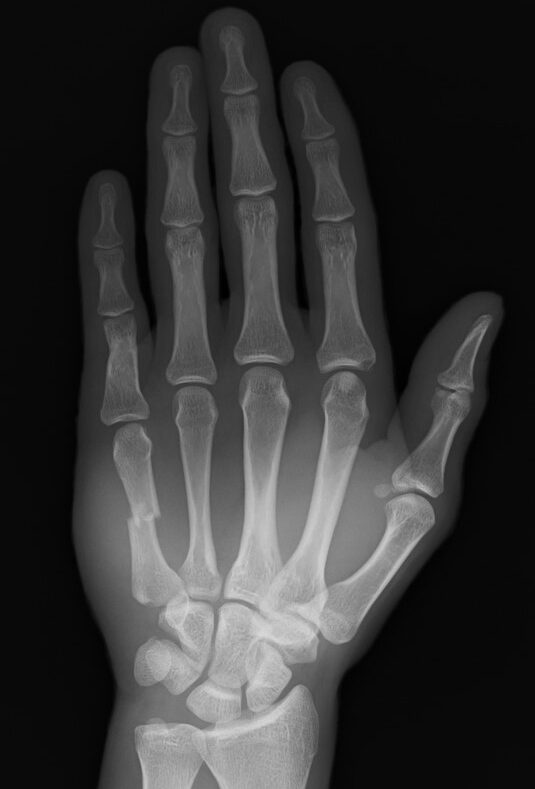
Finally I was commonly asked whether the reporter should have recommended further investigation- my usual response being why would they if they had seen no abnormality? My own question was “why are other clinicians unaware that a report on a radiograph is a subjective interpretation of an image, made by an overworked and constantly interrupted reporter who is long overdue a coffee break?” All medical tests have false positive and false negative results, radiology reports are no different.
To explore best practices in clinical negligence and how to reduce delays, check out Making Clinical Negligence Clear by Nigel Poole Q.C..
Conclusion
In conclusion, almost all litigated missed fractures are evident on the initial radiographs, but overlooked. The radiographs should be reported as soon as possible, but the requesting clinician must not have blind faith in the report content. Early review of these radiographs and early repeat radiographs or an MR scan are appropriate in patients with persistent symptoms.
About the Author:
Dr Whitehouse retired from full time NHS practice in 2015, continuing as a part-time locum in his old post. He is contemplating relinquishing his GMC registration in Autumn 2021 and not accepting new medico-legal cases.
Tags:
- Missed Fractures
- Scaphoid Fracture
- MRI Litigation
- Hip Fracture Diagnosis
- Radiology Expert Witness
- Fracture Misdiagnosis
Expert Disciplines:
- Radiology
About The Author
Dr Whitehouse
Dr Whitehouse retired from full-time NHS practice in 2015 but continued part-time locum work in his former role. He plans to relinquish his GMC registration in autumn 2021 and will no longer accept new medico-legal cases.
From the Blog
Related Articles

Gain vital insights into missed mesenteric ischaemia cases, helping solicitors identify breaches, strengthen claims, and understand diagnostic pitfalls in complex clinical negligence scenarios.

Essential insights into diagnosing and managing acute appendicitis in youth, helping clinical negligence practitioners navigate complex cases with improved understanding and stronger claims.
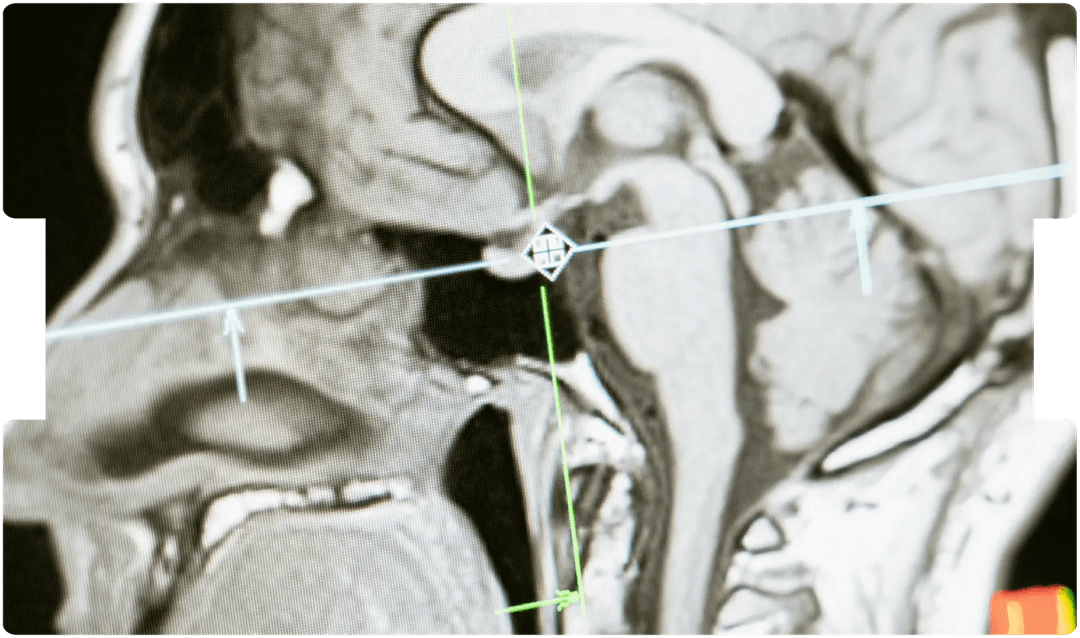
Understand when to instruct a radiologist vs a radiographer in clinical negligence claims - real case examples help clarify expertise, scope, and legal relevance in diagnostic imaging cases.
Find out why 70+ legal firms partner with INNEG.
Request a callback, or contact us.
INNEG respects your privacy. Any information you share with us will be used only to respond to your query.
Phone
+44 161 870 2461Thank you for your request!
We will get back to you as soon as possible.