Why You Can't Replace a Face-2-Face Examination when it comes to Spinal Injury Claims
By Mr Neil Slater, Consultant Trauma, Orthopaedic, & Spinal Surgeon
Posted 20 May 2021
4 Minute Read
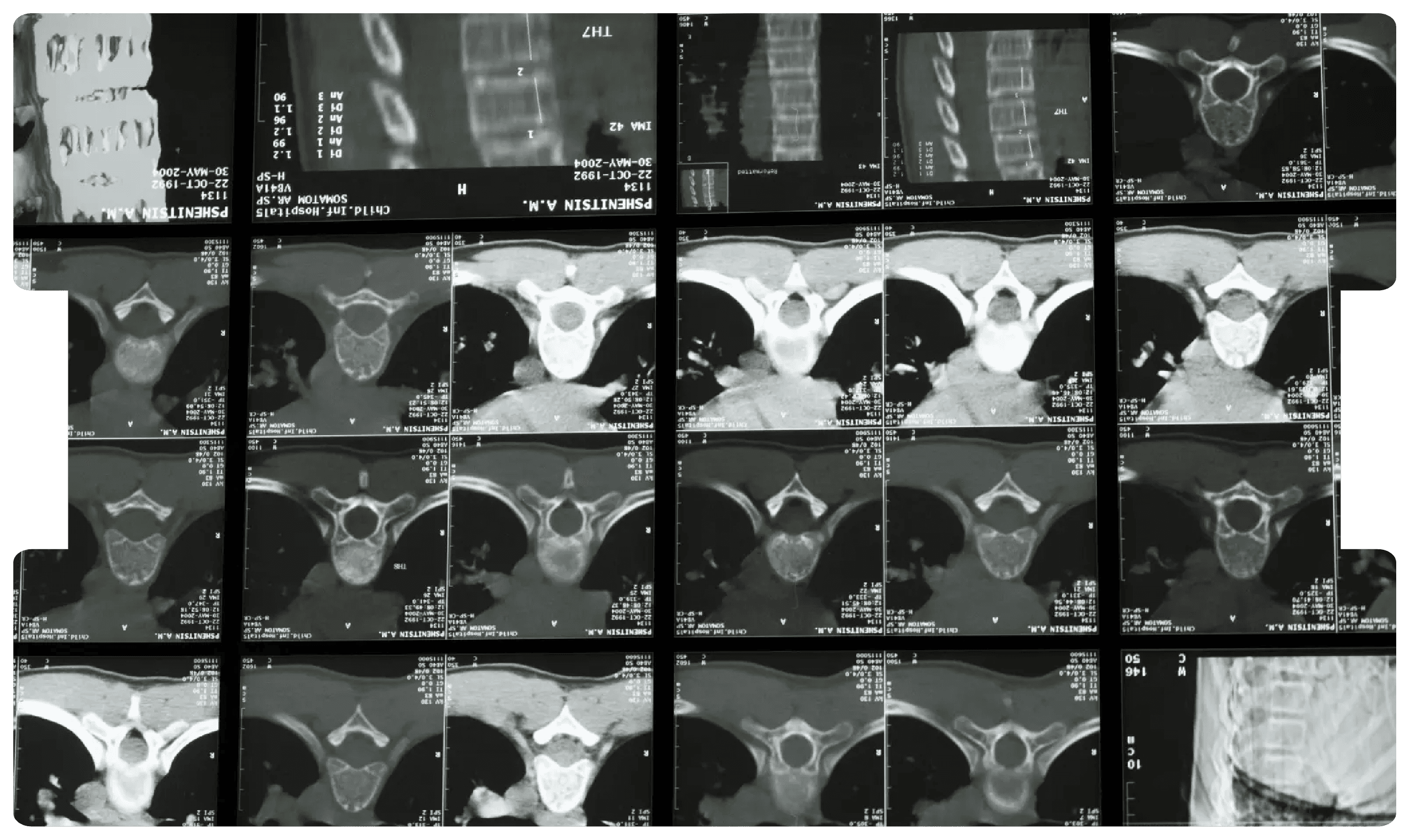
Explore why in-person assessments are crucial for accurate spinal injury evaluations, highlighting the limitations of remote consultations in medico-legal contexts.
By Mr. Neil Slater, Consultant Trauma, Orthopaedic and Spinal Surgeon
A very high percentage of medicolegal reports – personal injury or negligence – relate to the spine. My reports date back over 20 years, and my medico-legal practice is ‘all comers’ with no special emphasis on the spine; I reviewed 100 first reports - surname commencing ‘S’ – and found that only 31% did not mention any spine injury at all, 50% mentioned the cervical spine, 37% the lumbosacral spine and 7% the thoracic spine.
My belief is meaningful assessment of the spine can only be done by face-to-face consultation and it is dangerous to give opinions you may have to standby in Court based on remote examination. If there is no choice but remote consultation, I label the report provisional on a later face-to face examination and litter it with statements about limitations.
For further insights into spinal injury rehabilitation and management, including the role orthotics can play, see our blog on The Role Of Orthotics In The Management Of Spinal Injuries.
In medical school we are taught to assess the musculoskeletal system by inspection, palpation, movement testing - active and passive - and special tests according to the area or articulation; with the spine this always includes upper or lower limb neurological examination and often both. Every aspect of this examination discipline sequence by remote consultation is at best compromised:
Inspection – reliant on the client wearing appropriate clothing, the spine being adequately visible, the quality of video connection and - with video via mobile phone/camera - the variable cooperation of a third-party.
Palpation – impossible by remote assessment; at best the client can point out where pain is felt but the anatomical structure involved cannot be labelled accurately or tenderness graded. The injury might be an anterior wedge fracture of a vertebral body or bodies but – remotely - we cannot palpate for a gibbus.
Movements – active movements of the cervical spine can be estimated by remote consultation but only in ideal circumstances and frustrations are frequent. Palpation of lumbar spinous processes is impossible; someone could be touching their toes with a straight spine by flexion at the hip alone.
Neurological examination – almost completely impossible; a client might be able to demonstrate myotome movements and it might even be possible to discern muscle wasting but statements quoting the MRC scale for weakness cannot be made. Sensory loss relies on client description and reliable testing of dermatomal or peripheral nerve patterns of sensory loss cannot be done. Reflexes cannot be elicited remotely and where the clinical picture could be spinal or vascular claudication or both, foot pulses cannot be assessed.
Identifying spinal curvature issues like scoliosis can be particularly challenging remotely. For an overview tailored for legal professionals, read Scoliosis for Solicitors – A Brief Overview.
Seriously, as an expert witness, do you want to attach a Statement of Truth – including recent additions about Contempt of Court, false statements et cetera with potential dire consequences – to a report with such a compromised examination? I do not and will not. For spinal cases it is face-to-face – okay mask-to-mask - every time for me and if the client does not want to visit hospital, then I visit them; I am twice vaccinated, wear a mask, sanitise my hands and have always tested negative! Beware technological advances; yes, they are astonishing and remote assessment would have been impossible only a few years ago but it still does not approach the real thing and you could be in Court facing The Man without answers to awkward questions. All this before we get into Waddell’s signs of inappropriate presentation!
About the Author:
Mr. Neil Slater, MA FRCS FRCS(ORTH) is a Consultant Trauma, Orthopaedic and Spinal Surgeon with over 27 years of writing Medico-Legal report in the UK.
Mr Slater has a busy medico-legal practice covering both personal injury and clinical negligence. His current turnaround for medico-legal reports is approx 2-4 weeks and his instruction ratio is: Claimant 25% Defendant 5% and 75% as a Joint Expert.
Mr Slater can be contacted for all medico-legal work and to request his CV at neilslater@inneg.co.uk
Tags:
- Spinal Surgeon Expert Witness
- Spinal Trauma
- Remote Consultation Litigation
- Orthopaedic Expert Witness
Expert Disciplines:
- Orthopaedic Surgery
About The Author
Mr Neil Slater
Consultant Trauma, Orthopaedic, & Spinal Surgeon
Mr Neil Slater is a Consultant Trauma, Orthopaedic and Spinal Surgeon and Expert Witness with 27 years’ medico-legal experience. His medico-legal practice now forms around 75% of his current work, and he acts predominantly for Claimants, while also accepting Defendant and joint instructions across Personal Injury and Clinical Negligence matters.
His specialist expertise includes lumbar spinal surgery, lumbar discectomy and decompression, cervical spine pathology, coccygectomy and cauda equina-related issues, making him particularly suited to spinal injury, causation, prognosis and spinal negligence instructions.
From the Blog
Related Articles
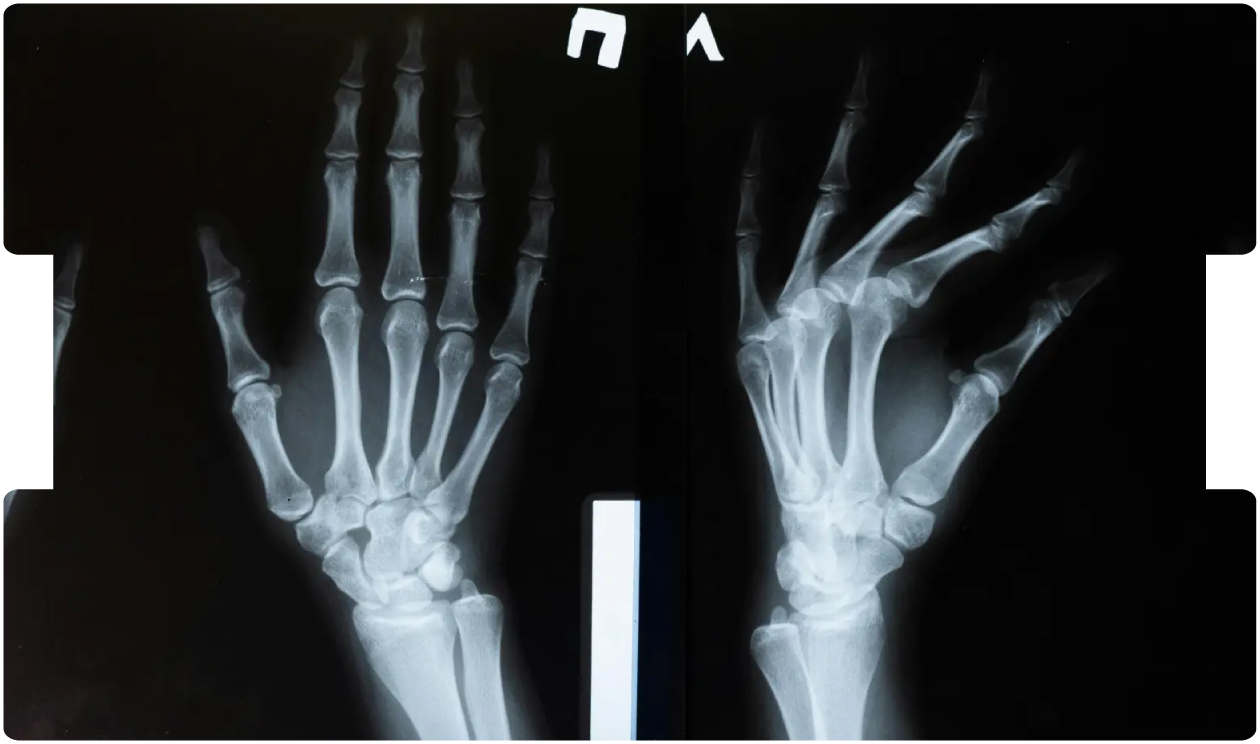
Gain expert insights into missed fracture claims, highlighting risks, timely reporting, and practical steps to reduce litigation exposure in clinical negligence cases involving radiology.

Understand the key drivers behind delayed colorectal cancer diagnoses and how they translate into clinical negligence claims - essential insight for solicitors navigating diagnostic failures and missed referrals.
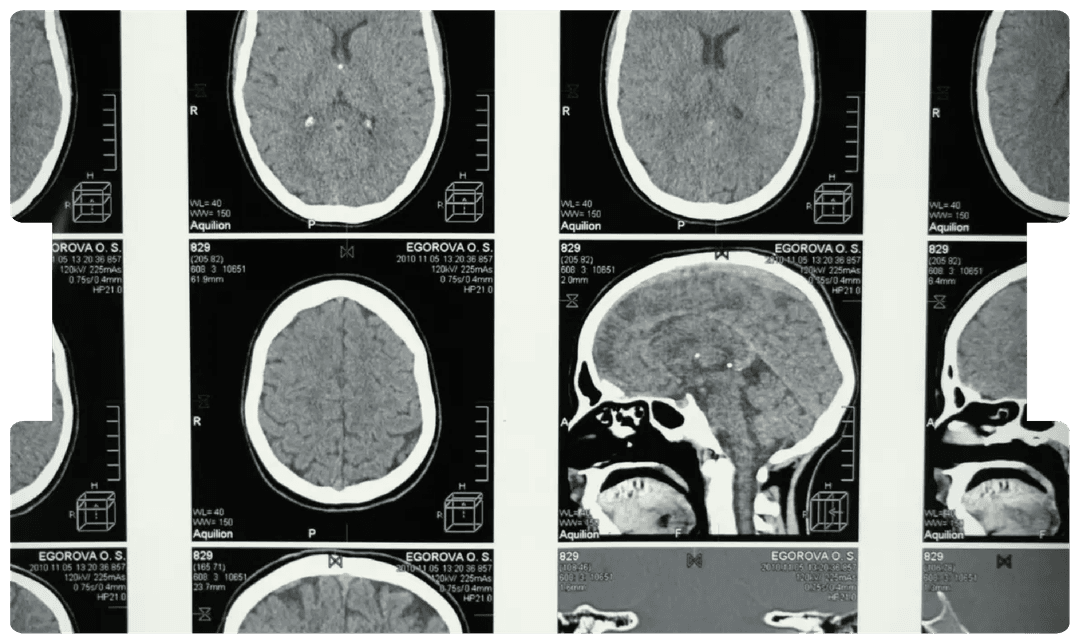
Sharpen your approach to complex claims involving functional symptoms. This expert-led guide helps distinguish genuine neurological disorder from malingering - crucial in high-stakes cases.
Find out why 70+ legal firms partner with INNEG.
Request a callback, or contact us.
INNEG respects your privacy. Any information you share with us will be used only to respond to your query.
Phone
+44 161 870 2461Thank you for your request!
We will get back to you as soon as possible.