Decoding Hand Trauma in Personal Injury: Medico-Legal Insights
By Mr Rupert Wharton, Consultant Trauma and Orthopaedic Surgeon
Posted 08 September 2025
7 Minute Read
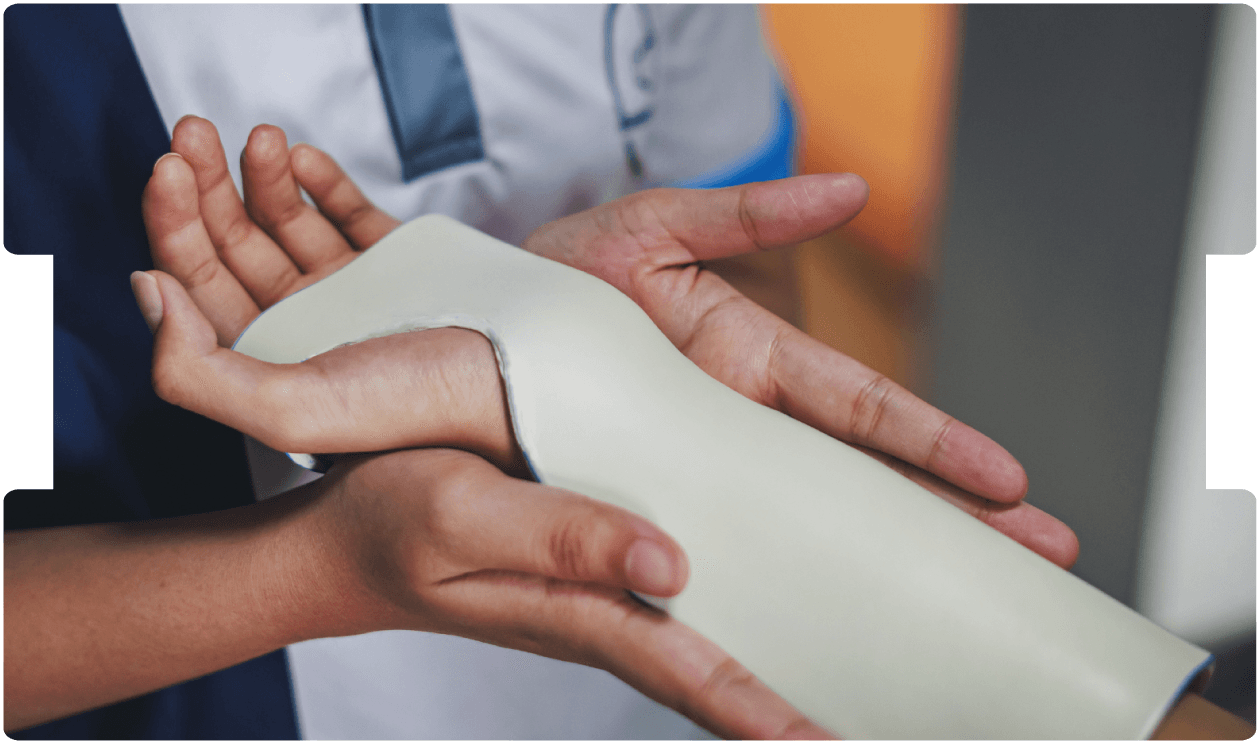
Understand the real impact of hand injuries with medico-legal insights that clarify causation, expose inconsistencies, and support accurate, defensible personal injury claims.
Hand injuries present unique challenges in personal injury litigation, where functional and aesthetic losses often intersect. In his recent webinar, Consultant Orthopaedic Surgeon Mr Rupert Wharton offers a deep dive into the anatomical and legal intricacies of these cases.
Watch the full webinar with Mr Rupert Wharton here >
Growth Plate Injuries: Clinical Risks
While more common in paediatrics, subtle fracture patterns and soft tissue injuries around the wrist can often go undetected. In adults, joint injuries involving the carpus or phalanges may be initially dismissed but later reveal significant ligament damage or degenerative complications.
“Loss of thumb stability can be disastrous despite minimal movement loss.”
Mr Wharton explains how certain fractures—such as distal radius fractures or scapholunate ligament injuries - carry high functional implications even when radiological findings appear minor.
Watch Our Similar Webinar on Growth Plate Injuries >
Medico-Legal Considerations
The medico-legal analysis of hand trauma requires both anatomical precision and interpretive caution. Experts must be able to:
- Differentiate pre-existing degeneration from acute injury
- Identify signs of malingering or symptom exaggeration
- Interpret Patient Reported Outcome Measures (PROMs) like DASH and PEM in context
“PROMs must be interpreted alongside clinical findings - discrepancies often reveal more than scores alone.”
Case Examples & Outcomes
1. Ulnar Shaft Fracture
A road traffic accident led to suboptimal healing. The expert outlined causation clearly, supported by imaging and outcome-based literature.
2. Delayed Ligament Injury
A delivery rider post-Uber collision reported high dysfunction. Case red flags included calluses (implying ongoing use) and mismatched DASH/PEM scores.
3. SLAC Wrist Misattribution
A 63-year-old with degenerative changes predating injury was initially misattributed. Historic x-rays revealed a chronic condition unrelated to the accident.
4. Suspected Functional Overlay
Inconsistent symptoms and prior clinical records led to suspicion of functional exaggeration. Mr Wharton flagged this as a potential malingering case.
Key Takeaways for Solicitors
- Imaging chronology and clinical photos are vital for establishing causation.
- Thumb, index, and middle fingers hold disproportionate value in manual and precision-based roles.
- Late diagnoses of ligament injuries can materially affect surgical outcomes.
- Functional scores must be supported by physical findings and rehabilitation progress documented through physiotherapy, not taken at face value.
- Expert witnesses play a critical role in distinguishing genuine dysfunction from confabulated claims.
"Hand injuries impact more than function - they alter careers, confidence, and legal credibility."
Tags:
- Orthopaedic Expert Witness
- Orthopaedic Trauma
- Missed Fractures
- Trauma
- Fracture Misdiagnosis
Expert Disciplines:
- Orthopaedic Surgery
About The Author

Mr Rupert Wharton
Consultant Trauma and Orthopaedic Surgeon
Mr Rupert Wharton is a Consultant Trauma and Orthopaedic Surgeon and Expert Witness with 3 years’ medico-legal reporting experience, having undertaken expert work since 2023. He prepares around 50 reports per year across Claimant, Defendant and joint instructions and has experience preparing joint statements.
His specialist expertise includes hand and wrist fractures, ligament and tendon injuries, nerve compression and injury, carpal and cubital tunnel syndrome, wrist arthroscopy, thumb base arthritis and joint replacement, making him particularly suited to Personal Injury instructions involving upper limb trauma and functional impairment.
From the Blog
Related Articles
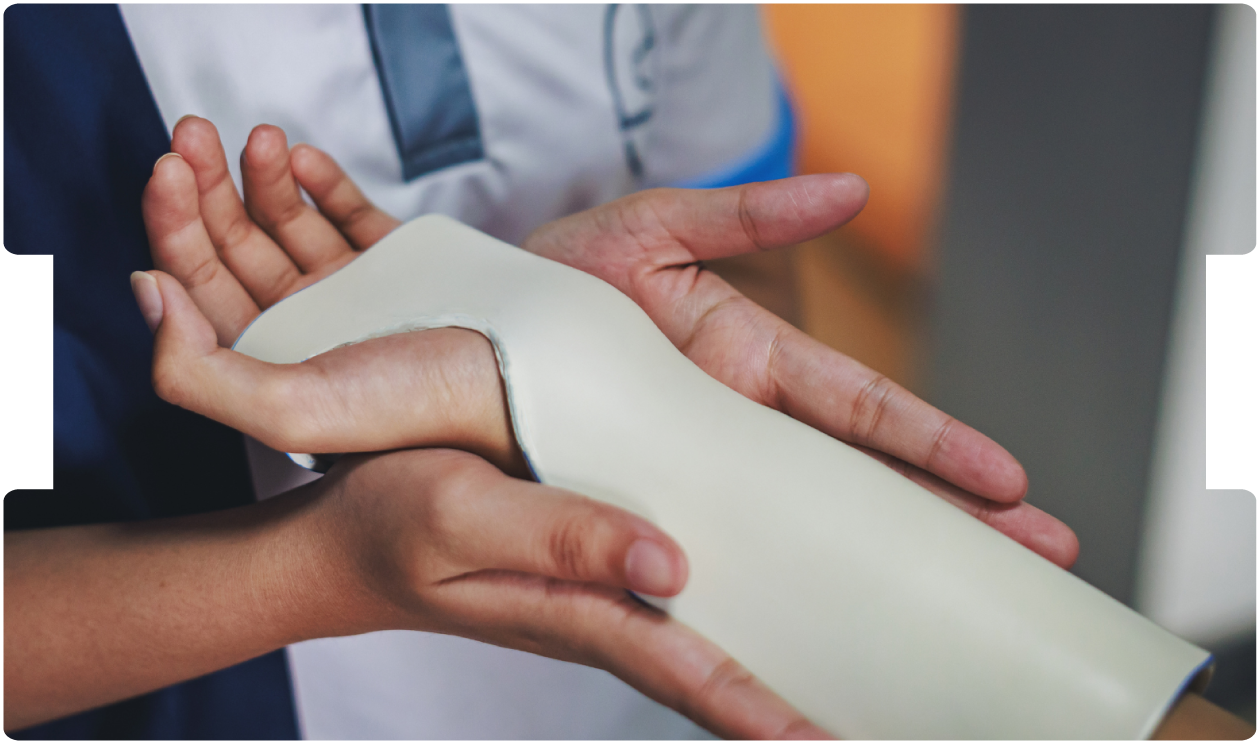
Hand injuries present unique challenges in personal injury litigation, where functional and aesthetic losses often intersect. In his recent webinar, Consultant Orthopaedic Surgeon Mr Rupert Wharton offers a deep dive into the anatomical and legal intricacies of these cases.
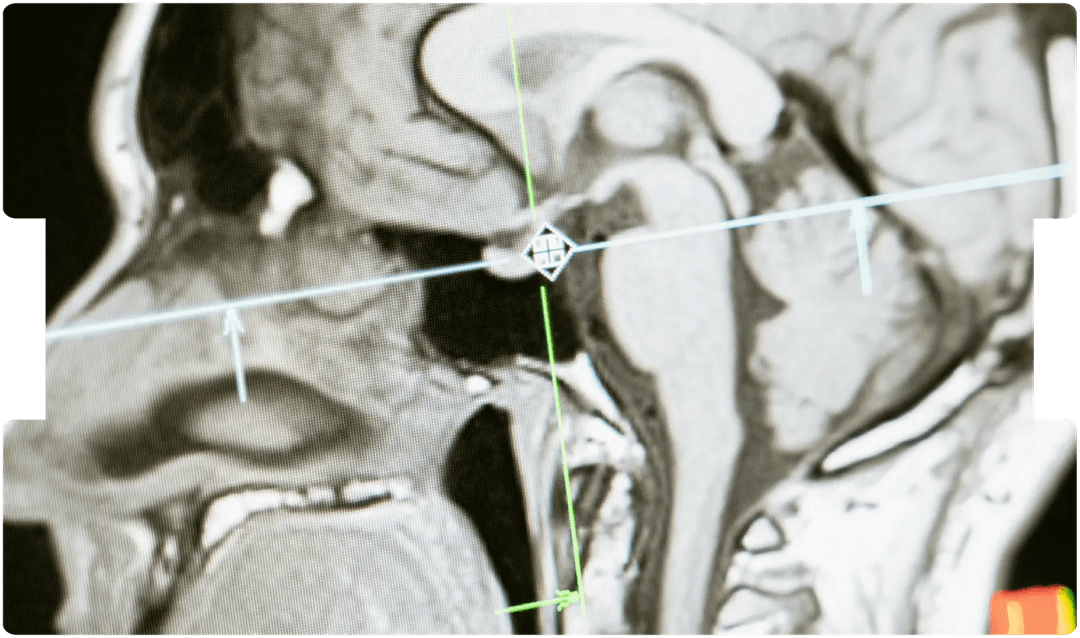
Understand when to instruct a radiologist vs a radiographer in clinical negligence claims - real case examples help clarify expertise, scope, and legal relevance in diagnostic imaging cases.
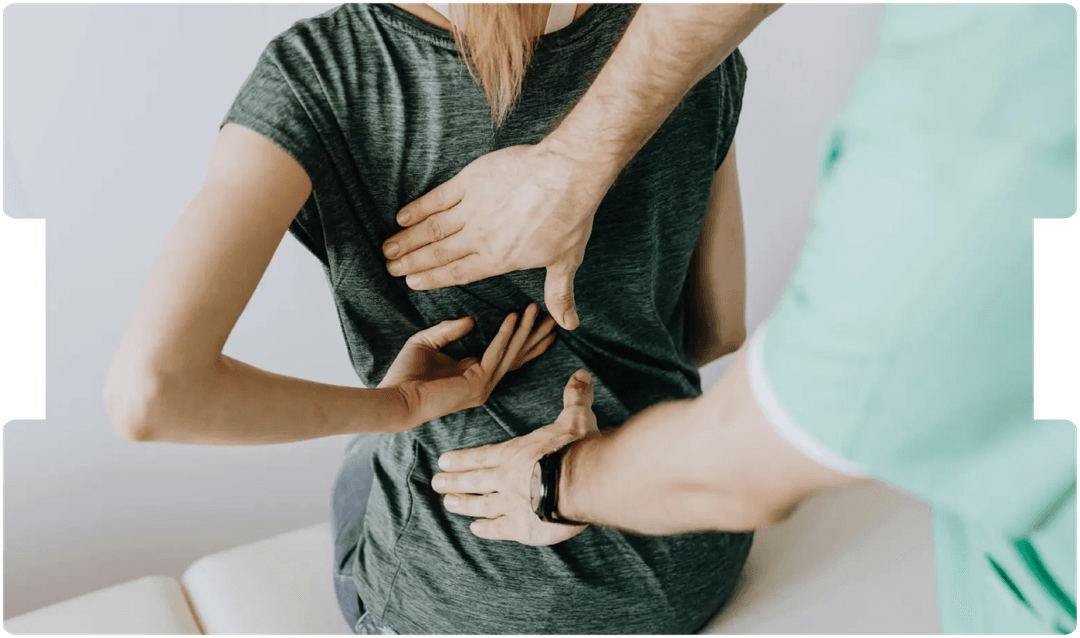
Gain crucial insights on complex consent and surgical risks in paediatric spinal cases to strengthen your clinical negligence claims and better support vulnerable patients and their families.
Find out why 70+ legal firms partner with INNEG.
Request a callback, or contact us.
INNEG respects your privacy. Any information you share with us will be used only to respond to your query.
Phone
+44 161 870 2461Thank you for your request!
We will get back to you as soon as possible.