Surgical Complications in Paediatric Surgery
By Mr Masood Shafafy, Consultant Spinal Surgeon
Posted 15 December 2020
6 Minute Read

Understand how a failure in the consent process during paediatric spinal surgery led to litigation - and what steps can help avoid similar outcomes.
By Mr Masood Shafafy, Consultant Adult & Paediatric Spinal Surgeon
Surgical complications in paediatric surgery can be devastating for multiple reasons. It is not only a young life that is adversely affected at an early age with subsequent life changing physical and psychological scars but also the life of the whole family becomes disrupted with physical, emotional and social costs. The consent process for these patients therefore becomes very complex with many factors to be taken into account.
For a deeper look into how consent issues can complicate paediatric spinal cases, see our detailed analysis in When Consent Fails in Paediatric Spinal Surgery and the Legal Insights Gained.

Take the following case example:
A 14-year old female with progressive neuromuscular scoliosis secondary to quadriplegic Cerebral palsy and severe learning difficulty had been listed for corrective spinal surgery. As she was deemed lacking mental capacity, her parents were mainly involved with the consent which, judging from the record, had been only a one-off signing exercise.
To better understand the medical background and legal implications of scoliosis, you might find Scoliosis for Solicitors – A Brief Overview useful.
In the consent clinic and in the consultations prior to that, the surgeon had failed to establish that the child had been able to show sign of displeasure and pain by erratically shaking and throwing her right leg in the air. Having failed to appreciate the importance of this little neurological function for the parents, the surgeon deemed the patient not to have had any functional motor capacity and for that reason, during consenting, he did not duel much on the potential neurological complications of the surgery. Although, intra-operative neuromonitoring in these patients are often not very reliable, these had been organised. However, its implications and possible intraoperative different scenarios and how they would likely to be manged had not been disused.
Surgery had gone ahead with no major problems until the last stage of scoliosis correction when the Intra-operative spinal neuromonitoring signals which had been small and unreliable from start were completely lost in the lower limbs. At this stage the surgeon made a judgement call of not doing the standard intra-operative wake-up test as he felt for these patients with neurological problems the wake up test was unreliable and the delay in doing this test would increase risks such as infection and other risks associated with prolongation of General anaesthesia and this risk would have outweighed any benefit of possibly reversing any neurological complications as the patient was severely disable. He therefore decided to complete the surgery.
Because of the severe pre-existing neurological problem, post-operative observations did not detect any major problems until the 2nd post-operative day that parents noticed that their child despite being in pain, does not show the shaky movement of the right leg when she is not happy with something. When they raised their concern, an MRI was performed which showed abnormality in the cord proximal to the level of surgery possibly of vascular origin possibly not directly related to the surgery itself. Although the objectives of the scoliosis surgery to make the patient sit straight in the wheelchair had been achieved, even though neurological loss was not functional for the patient, her parents were not happy and sought damages.
The trust own enquiry criticised the surgeon for inadequate preoperative assessment of the patient and insufficient discussion around the operation and implications of surgery and associated risks. In the absence of above he was further criticised for making a unilateral judgment call without discussing these scenarios with patient’s parents.
At the end, the relevant NHS trust’s lawyers agreed to settle the case by paying an agreed substantial out of court payment for damages.
In Summary
If the child is Gillick competent regardless of their age, he or she should be invited and encouraged to participate in the process actively and directly. Communication, however, should be multisource and appropriate to their level of understanding. When the child lacks mental capacity, although they can still be engaged in the process depending on their level of understanding, it is vitally important that the clinician responsible must have absolute certainty on the need and indications for surgery and have the parents and legal guardians fully on board.
Parents / legal guardians with equal rights should both be involved throughout the process. As part of the consent process, the condition for which the surgical intervention has been purposed, should be explained together with its natural history, likely progression, and resolution if any with potential impact of each. All relevant treatment, and management alternatives including non-intervention need to be discussed with explanation for benefits and risks for each option. The modality and intellectual level of communication should be tailored appropriately. Consent must not be considered as a one-off event but a process during which multiple and ample opportunities are provided to revisit and discuss areas of uncertainty and ambiguity.
When it comes to the potential risks of intervention, clinician must provide as much information as the patient or parents feel appropriate and relevant to their particular condition or circumstances.
About the Author:
Mr Masood Shafafy, MB BS, FRCS, FRCS Tr & Orth is a Consultant Spinal Surgeon specialising in complex deformity and spinal reconstruction at Nottingham University Hospitals and has been the programme director for the internationally renowned Nottingham Spinal fellowship since 2009.
Mr Shafafy can accept instructions for both adult and paediatric spinal claims, within the field of spinal pathologies including injuries, operations and management.
To instruct Mr Shafafy or for a fee quote and terms, email experts@inneg.co.uk
Tags:
- Paediatric Spinal Surgery
- Spinal Expert Witness
- Informed Consent
- Spinal Injury
Expert Disciplines:
- Paediatric Surgery
About The Author
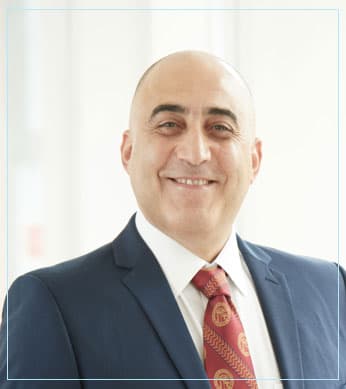
Mr Masood Shafafy
Consultant Spinal Surgeon
Mr Masood Shafafy is a Consultant Spine Surgeon and Expert Witness with 19 years’ medico-legal reporting experience, having undertaken expert work since 2007. He prepares around 20–30 reports per year for both Claimants and Defendants, has experience preparing joint statements and has attended trial on 3 occasions.
His specialist expertise includes cervical and lumbar spine surgery, complex spinal deformity, scoliosis, spinal reconstruction and fusion, disc replacement, spinal trauma and fractures, minimally invasive spinal surgery and nerve root procedures, making him particularly suited to complex spinal injury and Clinical Negligence instructions.
From the Blog
Related Articles

Avoid cost reductions in assessments by delegating smart. Learn how INNEG helps clinical negligence solicitors protect recoverable costs through efficient task support.
Gain expert insight into assessing post-traumatic seizure risk in head injury claims - vital for accurate prognosis, liability, and compensation in clinical negligence cases.

Understand how orthotic interventions shape spinal injury rehabilitation outcomes - essential for identifying overlooked care needs, building stronger claims, and maximising compensation accuracy.
Find out why 70+ legal firms partner with INNEG.
Request a callback, or contact us.
INNEG respects your privacy. Any information you share with us will be used only to respond to your query.
Phone
+44 161 870 2461Thank you for your request!
We will get back to you as soon as possible.