Spinal Surgery Claims: Where Cases Are Won or Lost in the “Grey Zone”
By Dr Chandru Kaliaperumal , Consultant Paediatric and Adult Neurosurgeon
Posted 28 April 2026
8 Minute Read

Most spinal claims aren’t about what went wrong - they’re about whether the decision-making ever crossed the line into negligence.
Spinal surgery claims rarely turn on what went wrong in theatre.
More often, they hinge on something far harder to pin down: whether the decision to operate, or not operate, was made at the right time, on the right basis, and in line with accepted clinical thresholds.
These are the cases that sit in the “grey zone”. Patients may present with significant pain, evolving symptoms, or borderline indications, where the pathway is not clear-cut and expert opinion can diverge. In these scenarios, small differences in how symptoms are recognised, documented and escalated can significantly influence both breach and causation.
Drawing on current guidance, case law and clinical practice, this article highlights where these grey zones typically arise across key spinal conditions, and what solicitors should be looking for when assessing whether clinical decision-making falls below the expected standard.
Cauda Equina Syndrome: Red Flags and the Decision Window
Cauda equina syndrome (CES) remains one of the highest-risk areas in spinal claims. While rare, it is disproportionately represented due to the severity of long-term outcomes, including lifelong disability, loss of earnings and significant care needs.
From a solicitor’s perspective, the focus is on recognition, escalation and timing.
Key red flags in the records:
- Urinary retention or new urinary incontinence
- Saddle or perianal sensory loss
- Bilateral sciatica with motor deficit
- Reduced anal tone on examination
These features should trigger urgent MRI and neurosurgical referral, often within 24 hours. Delays beyond this window, particularly where decompression is not achieved within an appropriate timeframe, significantly increase both the likelihood of breach and the value of the claim.
In practice, these cases often turn less on whether symptoms were present, and more on how clearly they were recognised and acted upon. Where records show ambiguity around red flag assessment, or where escalation timelines are unclear, this can create significant room for challenge. Small gaps in documentation can quickly become central to arguments around both breach and causation.
Key questions for file review:
- Was CES considered and documented as a differential diagnosis?
- Was an appropriate examination carried out and recorded?
- Is there a clear timeline for imaging, referral and escalation?
Where these elements are missing or unclear, there may be a strong basis for expert input on breach.
Lumbar Disc Herniation: Premature Surgery vs Delayed Intervention
Most lumbar disc herniations are managed conservatively, with improvement typically expected over 6–12 weeks through physiotherapy, analgesia and activity modification.
The key medico-legal tension sits between:
- Premature surgery without adequate conservative management
- Delayed intervention in the presence of significant neurological deficit
In practice, disputes arise where cases fall into the grey zone between persistent symptoms and clear surgical indication.
Points to assess:
- Was a structured conservative pathway followed and documented?
- If surgery occurred early, was there clear justification based on neurological findings?
- Are baseline neurological findings clearly recorded?
Where records do not demonstrate a clear threshold for moving from conservative care to surgery, expert opinion will often focus on whether that decision-making process was adequately evidenced.
These cases frequently sit in the grey zone where symptoms are persistent but not clearly progressive. As a result, the strength of the claim often depends on how well the treating clinician has evidenced their reasoning for intervening or continuing conservative care. Where that decision-making process is not clearly documented, expert opinion is more likely to diverge.
Lumbar Spinal Stenosis: When Conservative Care Becomes Delay
Lumbar spinal stenosis is typically managed non-operatively for a period of months unless there is clear evidence of functional decline or progressive neurological deficit.
Litigation risk often arises where:
- Conservative management is prolonged without meaningful review
- Objective measures of deterioration are not recorded
- Surgical thresholds are unclear or inconsistently applied
Key areas to review:
- Use of validated outcome measures over time
- Documentation of functional decline
- Clear thresholds for escalation to surgery
A passive “watch and wait” approach without structured reassessment can indicate a failure to respond appropriately to worsening symptoms.
The key issue here is often not the choice of conservative management itself, but whether it was actively reviewed and adjusted over time. Where there is no clear record of progression, decline or reassessment, it becomes harder to justify prolonged non-operative care.
Adult Spinal Deformity: Consent and Risk Management
Adult spinal deformity surgery carries significant risk, with complication rates that are materially higher than other spinal procedures.
Here, claims are less about technical failure and more about:
- Patient selection
- Quality of consent
Key issues to assess:
- Was surgery offered for appropriate indications?
- Was there evidence of multidisciplinary input where required?
- Did the consent process clearly outline long-term risks and likelihood of further intervention?
Where patients are not adequately informed about the scale and implications of reconstructive surgery, this can form the basis of a challenge around informed consent.
In these cases, outcome alone is rarely determinative. Instead, scrutiny tends to focus on whether the patient fully understood the scale and risk of intervention. Where consent is not clearly documented, particularly in high-risk procedures, this can become a central point of challenge.
Spinal Infection: Thresholds for Escalation
Spinal infections require timely recognition and escalation to prevent permanent neurological damage.
The key medico-legal issue is often whether:
- Deterioration was recognised
- Intervention thresholds were appropriately identified
- Escalation occurred at the right time
Signals within the records:
- Persistently raised inflammatory markers
- Worsening pain or neurological deficit
- Delays in imaging or surgical consideration
Failure to act on these indicators can support a case that the threshold for intervention was missed.
The critical question is often when the threshold for escalation was reached, rather than whether infection was present. Delays are rarely framed as a single missed moment, but as a pattern of under-recognition or inaction over time.
The “Grey Zone”: Where Cases Become Vulnerable
Many spinal surgery claims arise not from clear-cut error, but from decisions made in clinically uncertain scenarios.
Courts tend to favour clinicians where records demonstrate:
- A structured and documented conservative pathway
- Clear assessment and response to red flags
- Evidence of shared decision-making
For solicitors, the focus should be on:
- Mapping the timeline of care and escalation
- Identifying where thresholds were crossed or missed
- Comparing decisions against accepted clinical guidance
It is within this grey zone that cases are most often tested and where expert opinion is most likely to diverge.
It is within these borderline cases that differences in expert opinion become most pronounced. For solicitors, this is where careful analysis of the timeline and decision-making rationale can have the greatest impact on the strength of the claim.
Practical takeaway for solicitors
- Cases are won or lost on decision-making, not outcome. The key question is when and why thresholds were crossed, not simply what happened during surgery.
- Each condition carries recognised decision windows. Where these are not clearly reflected in the records, it may indicate a departure from accepted practice.
- The “grey zone” is where cases become most vulnerable. Where symptoms are evolving or borderline, the strength of the case often depends on how clearly clinical reasoning is documented.
- Documentation remains critical. A structured conservative pathway, clear red flag assessment and well-recorded consent process will strengthen a defence. Where this is absent, it creates a clearer basis for challenge.
In reality, the most difficult spinal claims are not the obvious ones, but those where the clinical picture is unclear and decisions are finely balanced. In these cases, the outcome alone is rarely enough. What matters is whether the reasoning behind key decisions is visible, consistent and aligned with accepted thresholds. That is where cases are most often won or lost.
If you need neuro or spinal input on a complex case, we can help you access over 1,467 specialists matched to your requirements.
References:
1. https://www.nelsonslaw.co.uk/cauda-equina-compensation/
2. https://www.bttj.com/2024/10/01/cauda-equina-syndrome-and-medical-negligence/
4. https://pmc.ncbi.nlm.nih.gov/articles/PMC3082683/
5. https://www.jmw.co.uk/blog/clinical-negligence/cauda-equina-syndrome-time-referral-pathway
6. https://osborneslaw.com/case-studies/2million-settlement-paralysed-negligence-claim/
7. https://www.expertcourtreports.co.uk/blog/orthopaedic-spinal-surgery-expert-witnesses-in-litigation/
8. https://pmc.ncbi.nlm.nih.gov/articles/PMC11465477/
10. https://pmc.ncbi.nlm.nih.gov/articles/PMC8165917/
12. https://pmc.ncbi.nlm.nih.gov/articles/PMC10335182/
13. https://www.inneg.co.uk/category/neuro-spinal/
14. https://www.brethertons.co.uk/site/blog/spinal-blog/
15. https://clinicalgate.com/ethical-and-medicolegal-aspectsof-spine-surgery/
16. https://www.jospt.org/doi/10.2519/jospt.2020.9971
20. https://anthonygold.co.uk/insight/errors-by-a-surgeon-cause-a-rare-spinal-injury/
22. https://www.irwinmitchell.com/medical-negligence/surgery/spinal-surgery
24. https://www.longdens.co.uk/case-studies/a-case-of-inadequate-decompression-of-the-spinal-cord/
25. https://www.coles-miller.co.uk/blog/when-cauda-equina-syndrome-is-not-diagnosed
Tags:
- Paediatric Spinal Surgery
- Spinal Injury
- Spinal Expert Witness
- CES Litigation
Expert Disciplines:
- Paediatric Neurosurgery
- Neurosurgery
About The Author

Dr Chandru Kaliaperumal
Consultant Paediatric and Adult Neurosurgeon
Mr Chandrasekaran Kaliaperumal is a Consultant Neurosurgeon specialising in adult and paediatric neurosurgery in Edinburgh. He has undertaken medico-legal reporting since 2015, preparing around 7-10 reports annually with an equal Claimant and Defendant split, and has experience preparing joint statements.
His medico-legal work includes breach of duty, condition and prognosis, and serious and complex injury cases. His specialist expertise includes paediatric neurosurgery, neuro-oncology, hydrocephalus, spinal dysraphism, craniofacial surgery, vascular neurosurgery, pituitary surgery, head injury and degenerative spinal disease.
From the Blog
Related Articles

Medication-related harm affects 1 in 30 patients - and many cases are preventable. This article explores how pharmacological diligence can avert dosage errors, duplications, and fatal drug interactions in clinical practice.
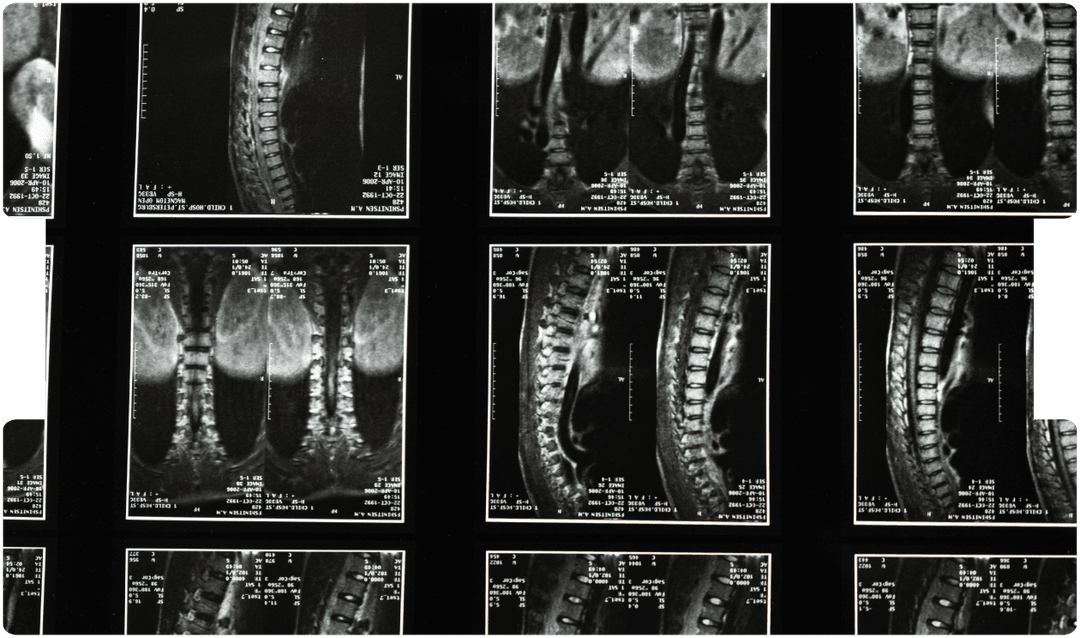
Understand the red flags and common pitfalls in spinal infection cases - help strengthen your clinical negligence claims with expert insight and avoid missed opportunities for your clients.

Gain insights into consent, causation, and breach in complex paediatric spinal claims. A must-read case study for clinical negligence solicitors navigating high-risk surgical decisions.
Find out why 70+ legal firms partner with INNEG.
Request a callback, or contact us.
INNEG respects your privacy. Any information you share with us will be used only to respond to your query.
Phone
+44 161 870 2461Thank you for your request!
We will get back to you as soon as possible.