When Consent Fails in Paediatric Spinal Surgery and the Legal Insights Gained
By Michelle Mitchell, Marketing Manager
Posted 10 April 2025
4 Minute Read
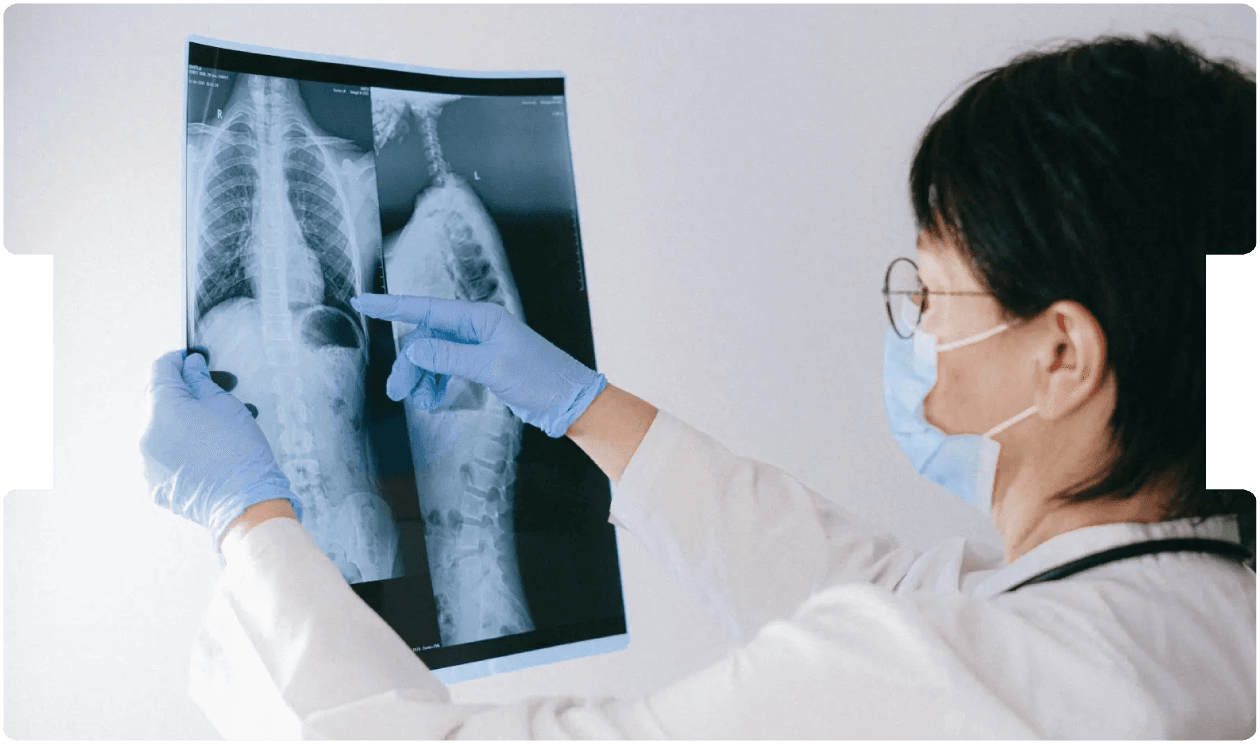
Discover how a real paediatric spinal surgery case highlights key pitfalls in consent, documentation, and intraoperative decisions - essential insights to strengthen your clinical negligence claims.
By Michelle Mitchell, Marketing Manager at INNEG
Surgical complications in paediatric patients with complex neurological conditions pose significant challenges - not only clinically, but also in the legal assessment of consent, causation, and breach. In this article, we reflect on a real case shared by Consultant Spinal Surgeon Mr Masood Shafafy and examine its implications through a medico-legal lens. For clinical negligence professionals, it offers a powerful example of how decision-making, documentation, and communication can determine the outcome of a claim.
Case Overview
During the final stage of surgery, intraoperative spinal neuromonitoring, which had already been unreliable, was lost entirely in the lower limbs. The operating surgeon made a judgement call to proceed without conducting a wake-up test, believing that the risks of prolonged anaesthesia and infection outweighed the potential benefits in this neurologically complex case.
Consent: More Than a Signature
Although the patient lacked mental capacity, the consent process appears to have been limited to a single signing event with her parents. The surgeon had not fully understood or explored her means of expressing discomfort - a key neurological sign that was functionally important to her family.
Mr Shafafy notes that consent should never be a one-off event. Instead, it should be a process with opportunities to explore patient-specific risks, clarify uncertainties, and tailor communication to both the child and their guardians.
For clinical negligence professionals, this highlights the importance of assessing not just whether consent was obtained - but whether it was meaningful, informed, and appropriately documented.
The Intraoperative Judgement Call
Intraoperative neuromonitoring in patients with severe neurological conditions is often unreliable, and while the wake-up test may be of limited utility, it had not been discussed as part of the preoperative planning. When the signal was lost, no contingency plan was in place, and the parents were not consulted before the decision to continue surgery.
The Trust’s internal investigation criticised:
The lack of comprehensive preoperative assessment
Insufficient discussion of risks and outcomes
The unilateral nature of the intraoperative decision
This case underlines how unshared clinical judgements, even if reasonable, can leave surgeons and their employers exposed to litigation if documentation and communication fall short.
Causation: A Grey Area with Legal Weight
The Trust agreed to a substantial out-of-court settlement. The focus of liability was less on the specific outcome and more on the process - particularly the failure to establish clear, informed consent and to involve the family meaningfully in key decisions.
This case also reinforces the importance of thorough, in-person assessments - an issue we explore further in Why You Can’t Replace a Face-2-Face Examination when it comes to Spinal Injury Claims
Key Takeaways for Clinical Negligence Professionals
This case offers several learning points for those handling paediatric spinal injury claims:
Informed consent must be an ongoing dialogue, especially when children lack capacity
Functional neurological signs, even subtle ones, must be considered and documented
Anticipated intraoperative complications and response plans should be part of the consent process
A lack of documentation or communication, even where clinical judgement may be defensible, can create significant legal exposure
Further Reading & Expert Instruction
This case discussion draws on a real example originally shared by Consultant Spinal Surgeon Mr Masood Shafafy. You can read his full clinical perspective here.
For insight into managing spinal injury outcomes post-surgery, including the medico-legal implications of rehabilitation, seeThe Role of Orthotics in the Management of Spinal Injuries.
Mr Masood Shafafy, MB BS, FRCS, FRCS (Tr & Orth), is a leading Consultant Spinal Surgeon based at Nottingham University Hospitals. He specialises in complex spinal deformities and reconstruction, with particular expertise in paediatric and adult scoliosis, spinal trauma, and revision procedures.
Mr Shafafy has been the Programme Director for the internationally recognised Nottingham Spinal Fellowship since 2009 and regularly lectures nationally and internationally. His medico-legal practice includes expert opinion on spinal injuries, surgical complications, delayed diagnosis, and complex spinal claims.
Mr Shafafy accepts instructions for both adult and paediatric spinal claims relating to spinal pathology, surgery, or injury.
For medico-legal enquiries or to request his CV, Mr. Shafafy can be reached at masoodshafafy@inneg.co.uk
Tags:
- Paediatric Spinal Surgery
- Informed Consent
- Neuromonitoring
- Breach of Duty
- Causation
- Wake-Up Test
- Spinal Expert Witness
- Neurosurgery Litigation
- Consent
Expert Disciplines:
- Orthopaedic Spinal Surgery
About The Author

Michelle Mitchell
Marketing Manager
Michelle Mitchell is the Marketing Manager at INNEG, where she leads the development and execution of marketing strategies to support the company's growth and brand presence. With a keen eye for detail and a passion for impactful communication, Michelle works closely with both internal teams and external partners.
From the Blog
Related Articles
Understand how orthotic interventions shape spinal injury rehabilitation outcomes - essential for identifying overlooked care needs, building stronger claims, and maximising compensation accuracy.
Understand why remote spinal assessments risk flawed medico-legal evidence - and why face-to-face exams are vital for defensible, accurate reports in spinal injury and negligence cases.
A must-read for clinical negligence practitioners - gain expert insight into the complexities, risks, and surgical considerations of scoliosis to better assess breach, causation, and informed consent.
Find out why 70+ legal firms partner with INNEG.
Request a callback, or contact us.
INNEG respects your privacy. Any information you share with us will be used only to respond to your query.
Phone
+44 161 870 2461Thank you for your request!
We will get back to you as soon as possible.