Missed Cauda Equina and Spinal Cord Compression: Medico-Legal Insights
By Mr Nikolaos Tzerakis, Consultant Neurosurgeon and Spinal Surgeon
Posted 09 July 2026
7 Minute Read
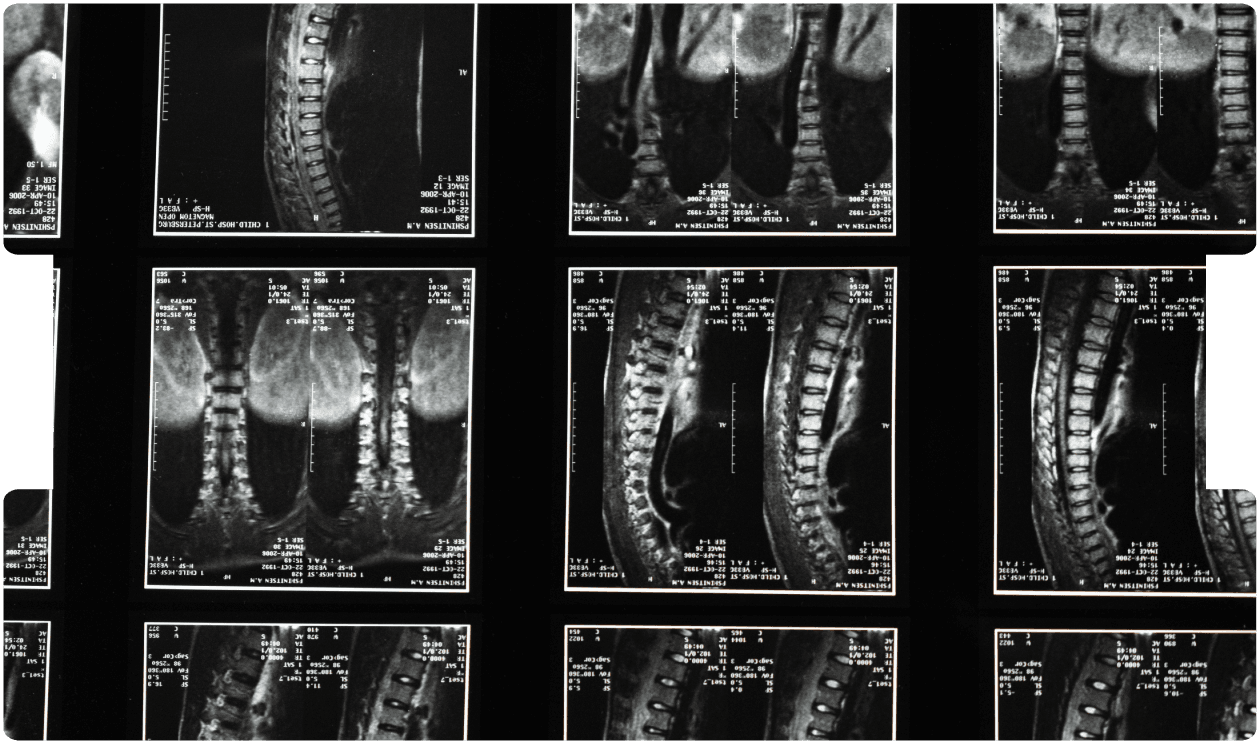
Cauda equina syndrome and spinal cord compression remain among the most serious spinal conditions encountered in clinical negligence litigation
In this article, we explore the key medico-legal issues discussed by Consultant Neurosurgeon and Spinal Surgeon Mr Nikolaos Tzerakis, including delayed diagnosis, imaging failures, poor documentation and causation challenges.
Watch the full webinar with Mr Nikolaos Tzerakis here >
Growth of Risk in Cauda Equina and Spinal Cord Compression Claims
Cauda equina syndrome is rare, but its medico-legal significance is substantial. It can result in permanent bladder, bowel, sexual and lower limb dysfunction, often leading to high-value claims.
Mr Tzerakis explained that cauda equina syndrome is not always straightforward to define. Clinically, it is often suspected where patients present with bladder or bowel disturbance, saddle-area sensory symptoms, bilateral leg pain, or neurological changes. However, the diagnosis is clinical and radiological. The MRI findings matter.
For spinal cord compression, the clinical picture can be different. Patients may present with leg weakness, altered sensation below a certain level, brisk reflexes or bladder symptoms. A key litigation risk arises when clinicians scan only the lumbar spine, find no cauda equina compression, and discharge the patient without considering pathology higher up the spine.
This is particularly important where the cause may be:
- Metastatic spinal cord compression
- Epidural abscess
- Thoracic or cervical disc prolapse
- Epidural haematoma
- Infection or discitis
- Spinal dural fistula
- Trauma or instability
The core clinical message is clear: where symptoms suggest cauda equina syndrome or progressive neurology, urgent imaging is required.
Medico-Legal Considerations
From a medico-legal perspective, failures can occur at almost every stage of the patient journey.
In primary care, patients may be reassured that symptoms are due to sciatica, urinary tract infection, arthritis or general back pain. In secondary care, failures may arise through incomplete examination, delayed MRI, poor handover, or failure to escalate to senior clinicians.
Mr Tzerakis highlighted the importance of documenting the full neurological picture. Notes such as “normal neurology” may be insufficient in a defended claim. A proper record should include the relevant history, examination findings, bladder function, saddle sensation, anal tone or sphincter function, leg power, reflexes, sensory changes and the clinical plan.
In cauda equina claims, solicitors will often need to consider:
- Were the red flags identified?
- Was the patient examined properly?
- Was saddle sensation assessed and documented?
- Was bladder function assessed, including residual volume where appropriate?
- Was urgent MRI requested?
- Was the scan performed and reviewed promptly?
- Was the patient escalated to senior clinicians?
- Was referral or transfer delayed?
- Did the patient deteriorate during the delay?
- Would earlier surgery have changed the outcome?
Causation can be complex. Mr Tzerakis made the point that timing alone does not always answer the medico-legal question. Biology responds to neurological deterioration, not a simple number of hours. A stable longstanding presentation is different from progressive neurological deficit.
In these claims, the more useful causation analysis often focuses on the neurological chronology rather than elapsed time alone, including when deterioration began and whether intervention at that point would probably have altered the outcome.
This distinction is important when assessing whether earlier diagnosis or surgery would probably have avoided the final outcome.
Case Examples & Outcomes
The webinar included several examples of how spinal claims may arise, and why not every poor outcome is automatically negligent.
One example involved a missed cauda equina syndrome where the patient initially attended a GP with symptoms that were dismissed. An outpatient MRI was arranged, but the delay allowed neurological deterioration. The later imaging showed a clear compressive cause, and earlier surgery may have led to a better outcome.
Another example involved spinal cord compression initially attributed to a low back problem. No cause was identified in the lower spine, but the patient was later found to have pathology higher up. The patient was mobilised despite instability and developed significant neurological deficit. In that scenario, both diagnosis and management were relevant to the claim.
Mr Tzerakis also discussed a defensible case where the patient had a poor outcome but the available records and imaging did not support a finding that cauda equina syndrome had been missed at the relevant time. This illustrates an important point for solicitors: poor outcome and negligence are not the same.
The records are often decisive. They may show a clear missed opportunity, or they may support a defensible clinical decision.
Key Takeaways for Solicitors
Cauda equina and spinal cord compression claims often turn on red flags, imaging, escalation and documentation.
For solicitors reviewing potential claims, the following points are particularly important:
- A patient does not need to have complete cauda equina syndrome before urgent MRI is justified.
- Bladder symptoms should not be dismissed simply because the patient can still pass urine.
- If lumbar imaging is negative but symptoms persist or suggest cord involvement, pathology higher up the spine must be considered.
- Delays in communication, handover, referral or theatre access may be relevant to breach.
- Documentation should be detailed enough to show what was assessed, what was found and what plan was made.
- Causation depends on whether earlier action would probably have avoided deterioration or improved outcome.
- Not every serious neurological outcome is negligent, particularly where the clinical picture was not present or not progressing at the relevant time.
The practical lesson is to assess the whole timeline carefully. The key questions are not only whether cauda equina or cord compression was eventually diagnosed, but whether it should have been suspected earlier, investigated sooner and escalated more effectively.
Tags:
- CES Litigation
- Cauda Equina
- Spinal Injury
- Neurosurgery
Expert Disciplines:
- Neurosurgery
About The Author

Mr Nikolaos Tzerakis
Consultant Neurosurgeon and Spinal Surgeon
Mr Nikolaos Tzerakis is a Consultant Neurosurgeon and Spinal Surgeon with over 20 years of clinical experience and more than a decade of medico-legal practice.
He regularly provides expert opinion on breach of duty, causation and prognosis in complex spinal claims, including cauda equina syndrome and spinal cord compression.
From the Blog
Related Articles
Cauda equina syndrome (CES) remains one of the most litigated spinal conditions, largely due to diagnostic complexity and the severity of long-term outcomes. In this session, Poorna Veerappa highlights how persistent symptoms, rehabilitation gaps, and evolving clinical understanding shape both patient outcomes and medico-legal claims.

Medication-related harm affects 1 in 30 patients - and many cases are preventable. This article explores how pharmacological diligence can avert dosage errors, duplications, and fatal drug interactions in clinical practice.

Cauda equina syndrome (CES) is a high-risk area in clinical negligence, often involving delayed diagnosis, complex symptoms, and long-term consequences. In this webinar, Poorna Veerappa explores the persistent symptoms, rehabilitation challenges, and medico-legal implications that are frequently overlooked in these claims.
Find out why 70+ legal firms partner with INNEG.
Request a callback, or contact us.
INNEG respects your privacy. Any information you share with us will be used only to respond to your query.
Phone
+44 161 870 2461Thank you for your request!
We will get back to you as soon as possible.