How the Right CES Expert Was Identified and Instructed Within 48 Hours
By Jessica Platt, Marketing Assistant
Posted 29 April 2026
4 Minute Read

When a Cauda Equina Syndrome Case Stalls, It’s Rarely the Evidence - It’s the Wrong Expert
High-value Cauda Equina Syndrome (CES) claims don’t usually fail because there isn’t enough evidence.
They fail because the wrong expert was instructed too early, or the right expert was never found at all.
We recently supported a claimant solicitor facing exactly this situation.
The Risk
The case had reached a critical stage, but progress had stalled due to:
- Conflicting expert opinions on causation
- Multiple experts declining instruction
- No clear position on whether earlier intervention would have altered outcome
- Ongoing uncertainty around quantum, particularly future care and functional loss
At this point, the risk wasn’t delay - it was drift.
Without a defensible causation position, the case risked:
- Being undervalued
- Relying on assumptions that wouldn’t withstand challenge
- Incurring further cost through repeated or supplementary reports
- Weakening at negotiation or joint expert discussion
What Was Actually Going Wrong
On review, the issue wasn’t the medical records - it was the mismatch between the case and the expert being sought.
The experts previously approached were:
- Too generalist, lacking direct CES surgical experience
- Unable to confidently address the causation threshold (i.e. whether earlier decompression would have changed neurological outcome)
- Focused on clinical commentary, without translating findings into functional impact or quantum
This is where CES cases commonly fail.
Not on breach alone - but on the inability to connect delay → outcome → long-term loss.
What INNEG Did Differently
Instead of continuing the cycle of instruction and refusal, we reframed the problem.
1. Defined the real evidential gap
The key issue wasn’t timing in isolation - it was whether the delay crossed the threshold where outcome became irreversible.
2. Targeted the correct sub-specialist
We identified consultants with:
- Direct experience performing CES decompression surgery
- A track record of addressing causation in medico-legal settings
- The ability to engage with conflicting expert opinion
3. Screened for defensibility, not availability
Each expert was vetted for their ability to:
- Justify opinion under challenge
- Address competing interpretations of the clinical timeline
- Provide clear reasoning on neurological prognosis
4. Linked clinical opinion to quantum from the outset
Crucially, the expert needed to bridge:
- Neurological deficit → functional limitation (bladder, bowel, mobility)
- Functional limitation → care, rehabilitation, and long-term cost
This avoided the need for further instructions, addendum reports, or gaps later in the claim.
The Outcome
Within 48 hours, the right expert was identified and instructed.
The impact was immediate:
- A clear, defensible position on causation was established
- The relationship between delay, decompression, and outcome was properly evidenced
- The claim moved forward with a grounded basis for quantum, rather than assumption
The case shifted from uncertain and fragmented to clinically coherent and strategically viable.
The Reality for CES Claims
Delay alone doesn’t win these cases.
What matters is whether your expert can answer:
- At what point was neurological damage likely irreversible?
- Would earlier intervention have changed outcome, and on what basis?
- How does that translate into long-term function, care, and loss?
If those links aren’t made clearly, the case is exposed.
Why It Matters Who You Instruct
In complex claims, instructing the wrong expert isn’t a neutral decision.
It leads to:
- Delays that don’t move the case forward
- Reports that can’t support causation
- Additional cost through re-instruction
- Weakened positioning at negotiation
INNEG prevents that.
Not just by supplying names - but by ensuring the expert you instruct can withstand scrutiny and actually support the case you’re building.
Tags:
- CES Litigation
- Expert Report Quality
- Spinal Injury
Expert Disciplines:
- Physiotherapy
About The Author
Jessica Platt
Marketing Assistant
Jessica Platt is the Marketing Assistant at INNEG, where she helps bring clarity, consistency, and creativity to every client touchpoint. Passionate about purposeful communication, she supports INNEG’s mission to simplify the complex and spotlight the value behind medico-legal services.
From the Blog
Related Articles
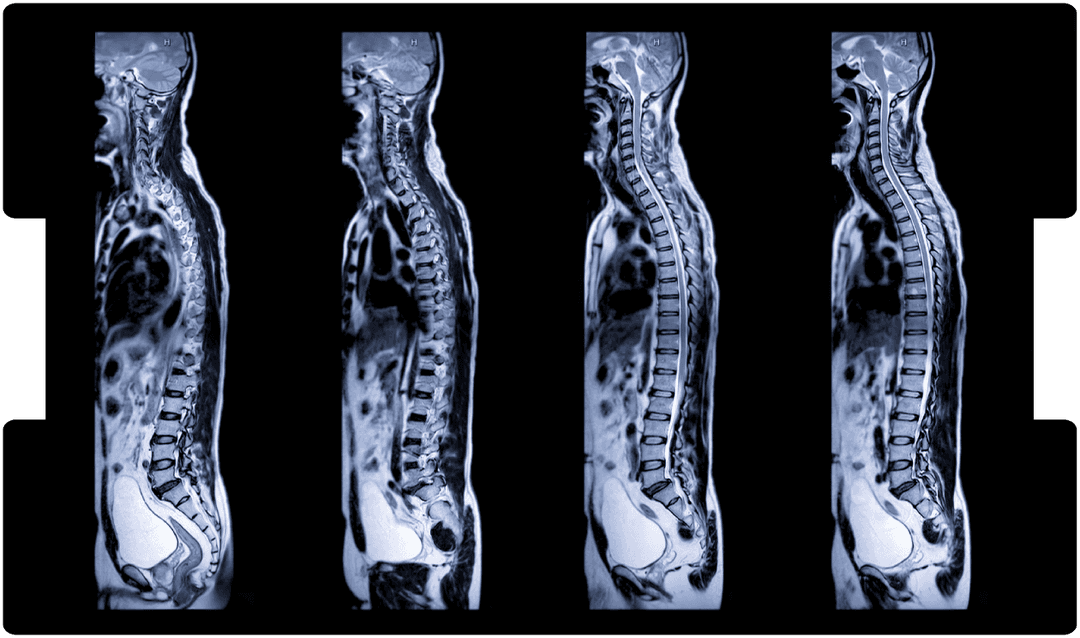
Cauda equina syndrome (CES) remains one of the most litigated spinal conditions, largely due to diagnostic complexity and the severity of long-term outcomes. In this session, Poorna Veerappa highlights how persistent symptoms, rehabilitation gaps, and evolving clinical understanding shape both patient outcomes and medico-legal claims.
Cauda equina syndrome (CES) is a high-risk area in clinical negligence, often involving delayed diagnosis, complex symptoms, and long-term consequences. In this webinar, Poorna Veerappa explores the persistent symptoms, rehabilitation challenges, and medico-legal implications that are frequently overlooked in these claims.

Understand how orthotic interventions shape spinal injury rehabilitation outcomes - essential for identifying overlooked care needs, building stronger claims, and maximising compensation accuracy.
Find out why 70+ legal firms partner with INNEG.
Request a callback, or contact us.
INNEG respects your privacy. Any information you share with us will be used only to respond to your query.
Phone
+44 161 870 2461Thank you for your request!
We will get back to you as soon as possible.