Cauda Equina Diagnosis: Clinical Failures and Claim Implications
By Poorna Veerappa, Advanced Spinal Physiotherapist & Expert Witness
Posted 21 April 2026
8 Minute Read
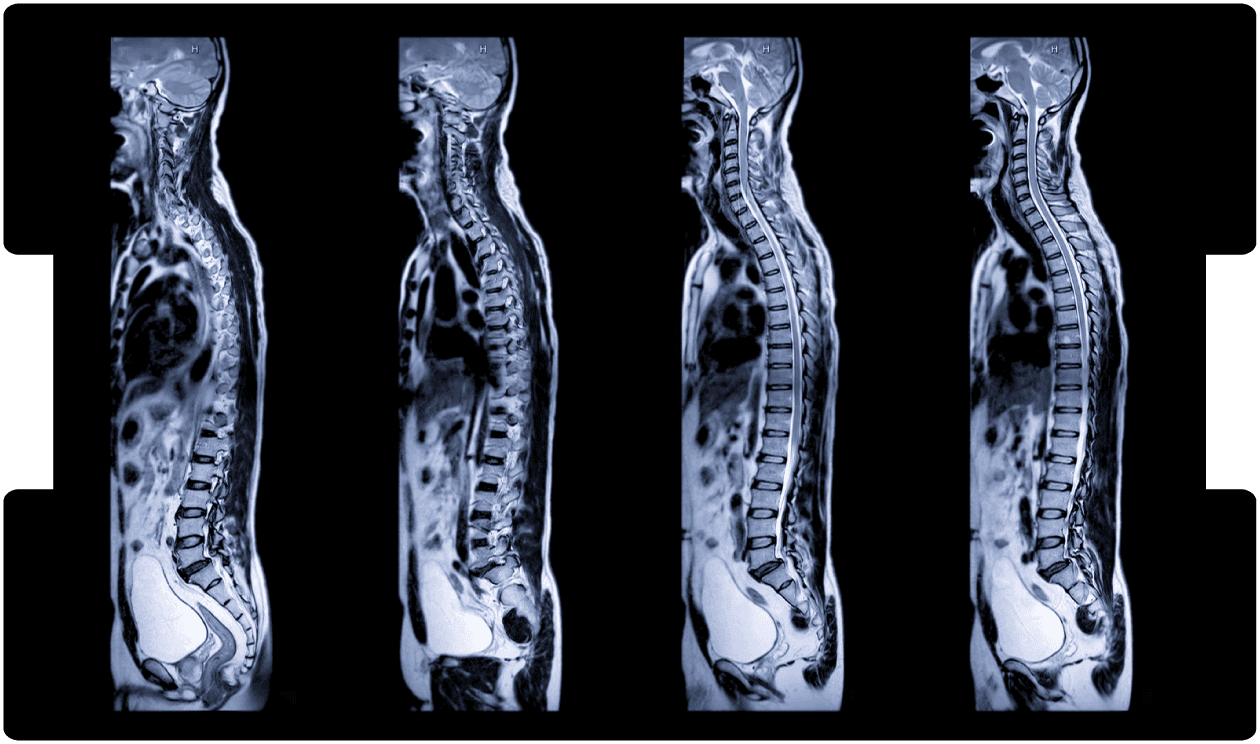
Missed red flags in cauda equina syndrome don’t just affect outcomes - they often define the strength and value of a clinical negligence claim.
Cauda equina syndrome (CES) remains one of the most litigated spinal conditions, largely due to diagnostic complexity and the severity of long-term outcomes. In this session, Poorna Veerappa highlights how persistent symptoms, rehabilitation gaps, and evolving clinical understanding shape both patient outcomes and medico-legal claims.
Watch the full webinar with Poorna Veerappa here >
Understanding Cauda Equina Syndrome Beyond Diagnosis
CES is often treated as an acute, time-critical diagnosis - but this oversimplifies the reality.
While early identification remains crucial, many patients experience long-term, life-altering symptoms even after surgical intervention.
These include:
- Bladder and bowel dysfunction
- Chronic pain
- Fatigue and reduced mobility
- Loss of independence and employment
“There’s a large residual or sequelae of symptoms that patients have… often forgotten in both clinical and litigation contexts.”
Clinical Risks and Diagnostic Challenges
Cauda equina syndrome does not always present in the way clinicians expect, which is where much of the medico-legal risk arises. Common assumptions - that symptoms must be sudden and severe, that back pain is always present, that surgery within 24 hours guarantees recovery, or that bladder dysfunction is the sole defining feature - can lead to missed or delayed diagnosis.
In reality, CES is often far more nuanced. Symptoms may develop gradually rather than acutely, and patients may report subtle sensory changes rather than complete numbness. Presentations can also include bowel or sexual dysfunction, and in some cases occur without significant pain at all. These variations make early recognition particularly challenging in frontline settings such as A&E.
Clinically, greater weight should be given to a combination of indicators, including bladder or bowel dysfunction, altered saddle sensation, sexual dysfunction, and neurological symptoms affecting the lower limbs. Failure to identify and act on these early warning signs remains one of the most common causes of litigation in cauda equina syndrome cases.
Medico-Legal Considerations
Cauda equina syndrome claims rarely hinge on a single clinical error; instead, they typically arise from failures across the clinical pathway. This often includes patients attending A&E multiple times without appropriate escalation, incomplete or inadequate history-taking, delays in arranging MRI imaging, or a failure to consider CES as a differential diagnosis at an early stage.
In practice, CES remains a clinical diagnosis that is supported by imaging, rather than defined by it. This distinction is critical in litigation, particularly when assessing whether clinicians acted appropriately based on the presenting symptoms at the time.
Timing is another key area of scrutiny. Current guidance suggests that MRI should be performed within four hours where CES is suspected and symptoms are progressive. However, the urgency of surgery depends on whether symptoms are evolving or static, meaning not all cases require immediate overnight intervention. This nuance is central in medico-legal analysis, where the appropriateness of clinical decision-making - rather than rigid timelines alone - is often the determining factor.
Persistent Symptoms and Long-Term Impact
A key theme emerging from the webinar is the high prevalence of ongoing symptoms following surgical intervention for cauda equina syndrome. While decompression may address the acute neurological compression, a significant proportion of patients continue to experience long-term complications. Evidence indicates that around 67% of patients report persistent back pain, 83% experience bladder dysfunction, and approximately 40% do not return to work. Complication rates remain high at around 26%, with reoperation required in up to 7% of cases.
“Just because the acute phase is treated doesn’t mean the patient is better.”
Fatigue also stands out as a significant yet often under-recognised symptom. It can directly affect a patient’s ability to engage with rehabilitation, limit physical recovery, and ultimately influence long-term functional outcomes. In a medico-legal context, these persistent and compounding issues are critical when assessing both prognosis and quantum.
Rehabilitation: The Missing Piece
Despite its clear importance in patient recovery, rehabilitation remains underrepresented in current clinical guidance for cauda equina syndrome. Standard recommendations typically include early physiotherapy from day one post-operatively, alongside comprehensive neurological and functional assessment. This is often supported by bladder and urodynamic testing, as well as structured rehabilitation programmes focused on strength, mobility, and, where appropriate, hydrotherapy.
However, there is currently no consistent or comprehensive national rehabilitation pathway for CES patients. This lack of standardisation creates a significant gap in care - and one with clear medico-legal implications, particularly when assessing long-term outcomes, recovery potential, and the adequacy of post-operative management.
Key Takeaways for Solicitors
- CES is not always a clear-cut, emergency-only diagnosis
- Persistent symptoms are common and must be fully considered in quantum
- Delays often occur at the history-taking and triage stage
- Rehabilitation and long-term outcomes are critical in valuation
- Guidelines (e.g. GIRFT) are influential but not always consistently applied
Understanding the full patient journey - not just the point of diagnosis - is essential in building robust claims.
Tags:
- CES Litigation
- Spinal Injury
- Spinal Surgeon Expert Witness
- Spinal Expert Witness
Expert Disciplines:
- Physiotherapy
About The Author

Poorna Veerappa
Advanced Spinal Physiotherapist & Expert Witness
Poorna Veerappa is a Chartered Physiotherapist and Advanced Spinal Practitioner with over 17 years of clinical experience specialising in complex spinal and musculoskeletal conditions. Poorna acts as an Expert Witness since 2016 in clinical negligence and personal injury claims. He is instructed by both claimant and defendant solicitors and provides expert opinion on liability and physiotherapy-related quantum, with particular expertise in CES, spinal injury, nerve injury, and long-term functional outcome.
From the Blog
Related Articles

Understand how orthotic interventions shape spinal injury rehabilitation outcomes - essential for identifying overlooked care needs, building stronger claims, and maximising compensation accuracy.
Understand the red flags and common pitfalls in spinal infection cases - help strengthen your clinical negligence claims with expert insight and avoid missed opportunities for your clients.

A new parliamentary report has set in motion the most significant reform agenda for spinal cord injury (SCI) care in decades, one that could also reshape the medico-legal landscape for catastrophic injury claims.
Find out why 70+ legal firms partner with INNEG.
Request a callback, or contact us.
INNEG respects your privacy. Any information you share with us will be used only to respond to your query.
Phone
+44 161 870 2461Thank you for your request!
We will get back to you as soon as possible.