Paediatric Bone Sarcomas: Early Recognition, Specialist Treatment and Long-Term Care
By Mr Max Mifsud, Consultant Orthopaedic Surgeon
Posted 12 May 2026
6 Minute Read
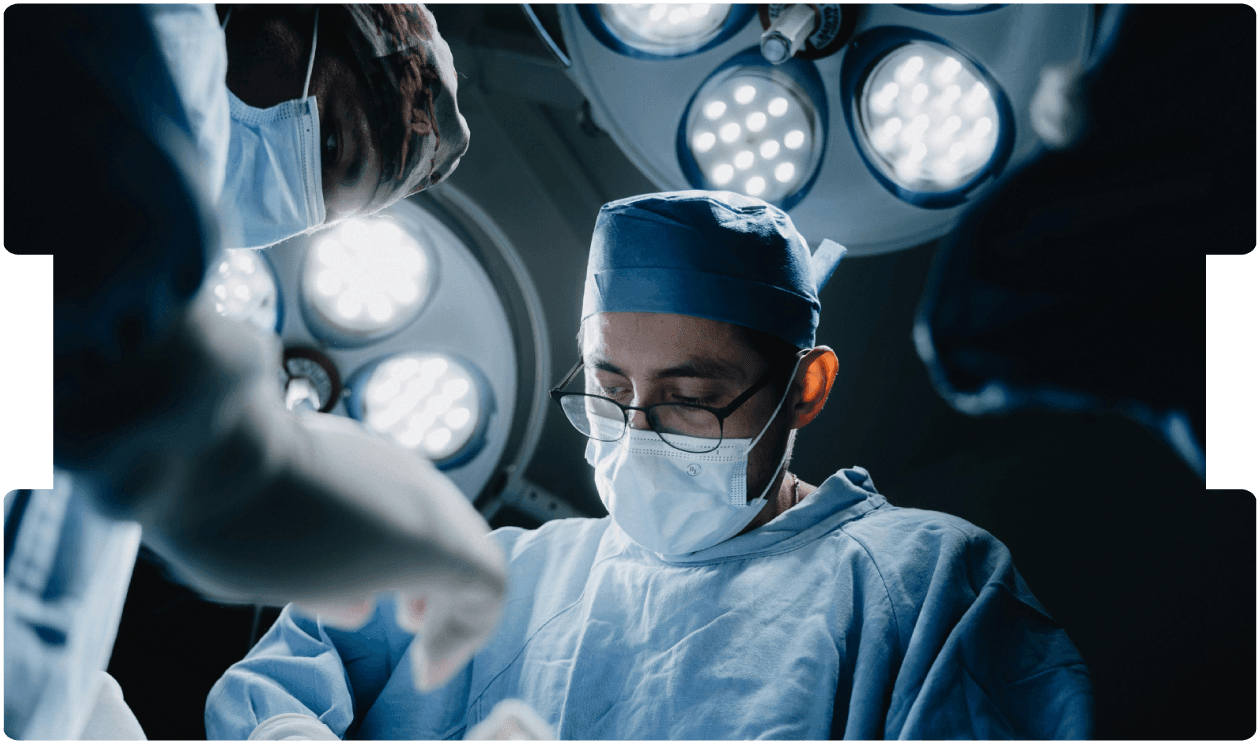
In paediatric bone sarcoma claims, the key question is often whether persistent red flags were recognised before delay affected treatment options or outcome.
Why Early Recognition Matters
Primary bone sarcomas in children are rare, but they are among the most important diagnoses not to miss. Osteosarcoma and Ewing sarcoma are the two main malignant bone tumours seen in childhood and adolescence. They often present in ways that initially appear non-specific, typically with pain around one of the major joints of the upper or lower limbs, or the spine, sometimes with a lump or swelling, a limp, night pain, or reduced sporting ability.
Most children with limb pain will not have cancer. However, the difficulty is that early sarcoma can resemble far more common conditions such as sports injuries, so-called “growing pains”, or minor trauma. Persistent, progressive or localised bone pain lasting more than 6 weeks should therefore be treated with caution, particularly when it wakes the child at night, is associated with swelling, or does not improve as expected.
From a medico-legal perspective, the question is rarely whether sarcoma is easy to diagnose at first presentation. It is not. The more important question is whether the evolving clinical picture was recognised in a timely manner, whether appropriate imaging was arranged, and whether abnormal findings were acted upon promptly and via established two-week-wait referrals, and established pathways for referral for suspected sarcoma cases.
Imaging and Referral Pathways
Plain radiographs (x-rays) remain the usual first investigation for focal bone pain or swelling. They may show bone destruction, periosteal reaction, a metaphyseal lesion or a soft tissue mass. Sometimes the changes are subtle. If symptoms are concerning, or if the radiograph is abnormal or does not match the clinical picture, further imaging is required.
MRI is usually the key investigation. It defines the extent of the tumour within bone, its soft tissue component, its relationship to the joint and neurovascular structures, and helps guide biopsy planning. This is crucial, because biopsy should not be performed casually in a non-specialist setting. A poorly placed biopsy tract can contaminate tissue planes and compromise later limb-sparing surgery.
Suspected malignant bone tumours should therefore be referred early to a specialist sarcoma service. The correct pathway is not simply about obtaining a diagnosis. It is about ensuring that imaging, biopsy, staging, oncology treatment and definitive surgery are planned together.
Multidisciplinary Management
Paediatric bone sarcoma care is inherently multidisciplinary, coordinated under the auspices of regionally accredited Sarcoma MDT meetings in centres with high volumes of these cases. The team will usually include paediatric oncologists, orthopaedic surgeons with specialist training in sarcoma, radiologists, pathologists, specialist nurses, physiotherapists, prosthetists, psychologists, and play specialists. Each discipline contributes to safe decision-making, excellence in care, and an overall better patient and family experience.
Chemotherapy is central to treatment for both osteosarcoma and Ewing sarcoma. In osteosarcoma, chemotherapy is typically given before and after surgery. It treats microscopic disease and provides information about tumour response. Local control of the primary site of the tumour is achieved by surgery in most cases. Sometimes radiotherapy is needed (either in insolation or alongside surgical treatment). Ultimately the decision depends on factors such as the site of the tumour, whether metastatic spread is present or not, response to chemotherapy, and whether the tumour can safely be resected and removed.
This means that bone sarcoma should not be viewed as a purely surgical condition. A delay in recognition and/or referral, imaging and staging, biopsy or treatment can all affect the pathway. The best outcomes come from coordinated specialist care from the outset.
Surgical Reconstruction (Limb Sparing or Limb Sacrificing)
Modern sarcoma surgery aims to remove the tumour with clear margins while preserving function wherever safely possible. Limb-sparing surgery is now achievable for many children, but oncological safety must always come first. A limb should not be saved at the expense of inadequate tumour clearance.
Where limb salvage is possible, reconstruction is often complex. Around the knee, for example, removal of the distal femur or proximal tibia may also remove a major growth plate. In these cases, reconstruction may involve custom-made endoprosthetic replacement, including expandable or “growing” implants designed for children. These implants can help manage future limb-length discrepancy, but they require careful surveillance and may need repeated lengthening or later revision.
Biological reconstruction is another important option. In selected cases, vascularised free fibula grafts can be used to reconstruct bone defects. These procedures are technically demanding and require close collaboration between orthopaedic oncology and reconstructive plastic surgical teams. They may offer biological potential, particularly in younger patients, but can be associated with fracture, non-union or the need for further surgery.
Despite advances in limb salvage, amputation is sometimes the safest and most appropriate treatment. This may be due to tumour extent, neurovascular involvement, recurrence, infection or failed reconstruction. It should not automatically be viewed as a failure. For some children, amputation offers reliable local control and excellent function with modern prosthetics.
Shared Decision Making and Follow-up
Children treated for bone sarcoma require long-term follow-up. Surveillance is needed for recurrence, metastasis, implant complications, growth disturbance, limb-length discrepancy, joint function, psychological wellbeing, and transition into adult care.
Good patient experience is central to this process. Families need clear explanations, honest conversations and realistic expectations. Shared decision-making is not simply offering a list of options. It requires helping the child and family understand the oncological priorities, functional consequences, likely complications and long-term implications of treatment.
In medico-legal analysis, the key issues are usually whether warning signs were recognised, whether referral to a recognised sarcoma centre was timely, whether investigations were appropriate, whether biopsy and treatment occurred within a specialist pathway, whether reconstructive options were appropriately considered, and what treatment options were offered to the patient. Encompassing all this is whether the family was properly supported. In paediatric sarcoma care, technical expertise matters of course, but so does continuity, communication and trust.
Tags:
- Orthopaedic Expert Witness
- sarcoma
- Cancer Litigation
- Bone Loss
Expert Disciplines:
- Orthopaedic Surgery
About The Author

Mr Max Mifsud
Consultant Orthopaedic Surgeon
Mr Maximillian Mifsud is a Consultant Paediatric Trauma and Orthopaedic Surgeon and Expert Witness with 3 years’ medico-legal reporting experience, having undertaken expert work since 2023. He prepares around 12 reports per year across Claimant and Defendant instructions in Personal Injury and Clinical Negligence matters.
His specialist expertise includes paediatric orthopaedics, cerebral palsy, hip dysplasia and preservation, neuromuscular orthopaedics, limb reconstruction, bone infection, sarcoma and bone tumours, making him particularly suited to complex paediatric orthopaedic and injury instructions.
From the Blog
Related Articles

Gain crucial insights into delayed sarcoma diagnosis pitfalls, common clinical errors, and key referral guidelines to strengthen your clinical negligence cases and improve client outcomes.

Understand how orthotic interventions shape spinal injury rehabilitation outcomes - essential for identifying overlooked care needs, building stronger claims, and maximising compensation accuracy.

Growth plate injuries often go under the radar in paediatric claims - yet their long-term consequences can be severe. In this expert webinar, Consultant Orthopaedic Surgeon Mr Max Mifsud explores how subtle injuries can evolve into complex litigation.
Find out why 70+ legal firms partner with INNEG.
Request a callback, or contact us.
INNEG respects your privacy. Any information you share with us will be used only to respond to your query.
Phone
+44 161 870 2461Thank you for your request!
We will get back to you as soon as possible.