Facial Trauma and Disfigurement Claims: Causation, Reconstruction and Long-Term Outcomes
By Mr Rory O'Connor, Consultant Oral and Maxillofacial Surgeon and Major Trauma Consultant.
Posted 04 November 2026
8 Minute Read
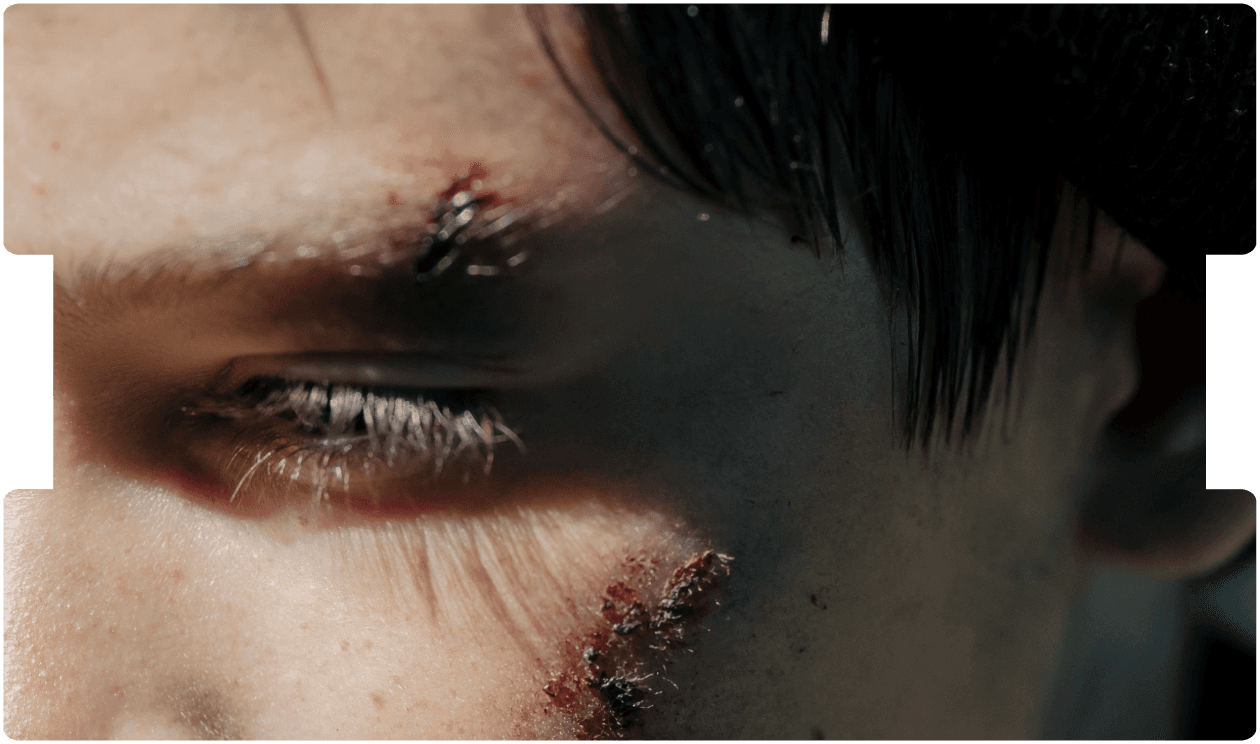
Could a facial injury that appears minor at first have lasting consequences for causation, prognosis and quantum in a personal injury claim?
Facial trauma can create complex medico-legal questions that are not always resolved by examining the initial injury or the success of surgical treatment. Persistent jaw pain, altered sensation, visible scarring and facial asymmetry can affect a claimant's daily functioning, psychological wellbeing and future treatment requirements. Drawing on a recent INNEG webinar presented by Consultant Oral and Maxillofacial Surgeon Mr Rory O'Connor, this article explores the clinical considerations relevant to personal injury claims, including causation, reconstructive treatment, prognosis and the assessment of long-term consequences.
Watch the full webinar with Mr Rory O'Connor here →
Understanding Facial Trauma in Personal Injury Claims
Facial injuries present particular challenges in personal injury litigation because their consequences can be both functional and aesthetic.
Unlike injuries affecting other parts of the body, even relatively small changes to the face may be immediately visible during ordinary social interaction.
Mr O'Connor explained that maxillofacial surgery encompasses injuries affecting the facial skeleton, soft tissues, nerves, jaws and teeth. The specialty therefore addresses a wide range of injuries, from straightforward facial lacerations to complex fractures requiring multiple reconstructive procedures.
In medico-legal practice, common instructions include facial fractures, scarring, facial nerve injuries, dental trauma and complications affecting jaw movement or sensation.
The significance of these injuries is not necessarily proportionate to their initial appearance.
A small facial wound may cause permanent nerve dysfunction, while a successfully repaired fracture may leave the claimant with chronic pain, altered bite or visible asymmetry.
For solicitors, understanding the distinction between the original injury and its longer-term consequences is essential when considering causation, prognosis and quantum.
Causation: When Symptoms Develop After the Accident
Establishing the relationship between an accident and an immediately apparent facial injury is often relatively straightforward.
A fractured jaw following a fall or facial laceration sustained during an assault may have an identifiable mechanism of injury.
However, Mr O'Connor highlighted that some consequences of facial trauma develop considerably later.
One example discussed involved a claimant who struck her jaw during a workplace fall. Although initial investigations revealed little evidence of structural injury, she developed significant jaw muscle pain approximately 18 months later.
The symptoms were associated with teeth clenching and grinding, which had developed alongside anxiety following the accident.
Mr O'Connor explained that jaw pain can fluctuate considerably, becoming more pronounced during periods of stress or fatigue and improving temporarily when the claimant is more relaxed.
This creates difficulties when assessing symptoms that were not documented immediately after the incident.
The absence of a significant initial radiological finding does not necessarily exclude a later functional consequence. Equally, a delayed symptom requires careful clinical consideration before it can be attributed to the accident.
For solicitors, the relevant questions include when symptoms first appeared, whether there were pre-existing problems, how the symptoms evolved and whether the proposed causal relationship is clinically supported.
Treatment Timing and Allegations of Negligence
A central theme of the webinar was the importance of understanding why facial injuries are treated at different stages.
Mr O'Connor explained that immediate surgical intervention is not always the preferred approach.
In some circumstances, allowing swelling to subside can improve the surgeon's ability to assess facial structures and plan treatment.
The appropriate timing depends on the nature of the injury, the risk of infection, functional impairment and the presence of other injuries requiring urgent attention.
Examples discussed included:
- Facial lacerations: Generally cleaned and closed within 24–48 hours, with contaminated wounds often requiring earlier attention.
- Nasal fractures: May be manipulated immediately or, once swelling has subsided, approximately 7–10 days after injury.
- Mandibular fractures: Fractures involving the tooth-bearing jaw are generally treated within 24–72 hours because of pain, movement and infection risk.
- Cheekbone fractures: Surgery may be delayed for approximately two to three weeks to allow swelling to settle.
- Orbital floor fractures: Treatment timing is more variable, with decisions influenced by visual disturbance, eye position and the potential benefits and risks of surgery.
These examples are not universal treatment rules. Mr O'Connor emphasised that decisions must reflect the circumstances of the individual patient.
In cases involving multiple serious injuries, facial surgery may also be delayed because another injury takes clinical priority.
He described a patient who sustained severe head trauma alongside mandibular fractures. The head injury understandably took precedence, but the untreated jaw fractures subsequently healed in a position that affected the patient's bite.
Corrective surgery was required later.
The example illustrates why a delayed or imperfect outcome does not, by itself, establish negligent treatment.
For solicitors investigating potential clinical negligence, the key issue is whether the decisions made were reasonable in the clinical circumstances at the time, rather than whether a different approach might subsequently have produced a better result.
The Importance of Imaging in Expert Evidence
Radiological evidence can materially affect the conclusions reached by a maxillofacial expert.
Mr O'Connor discussed an instruction involving the removal of a wisdom tooth and an associated cyst.
Based on the written records alone, the resulting sensory complication initially appeared consistent with a recognised risk of the procedure.
However, subsequent review of the CT imaging revealed that the cyst had extended beyond the surrounding bone into adjacent soft tissue, increasing the significance of the anatomical relationship with nearby nerves.
This information changed his assessment of the case, particularly in relation to the risks that should have been considered and explained before treatment.
The example demonstrates why clinical records and imaging should be reviewed together.
For solicitors, obtaining the original radiological studies, rather than relying solely on written reports, can be particularly important in cases involving facial fractures, nerve injuries and disputed surgical decisions.
Functional Consequences of Facial Trauma
The long-term consequences of facial trauma may include difficulties that are not immediately apparent from the claimant's appearance.
Mr O'Connor identified several functional problems that regularly feature in medico-legal assessments.
Altered bite and jaw function
Mandibular injuries can change the relationship between the upper and lower teeth, known as occlusion.
An anterior open bite, for example, may prevent the front teeth from meeting properly, affecting the claimant's ability to bite into certain foods.
Some claimants may also experience persistent discomfort when chewing or require dietary modifications.
Facial nerve damage
Injuries affecting the facial nerves can cause weakness, reduced movement or altered sensation.
Mr O'Connor described a claimant who sustained a facial laceration during an assault, resulting in damage to the nerve responsible for facial movement.
Although the wound itself was relatively limited, the resulting weakness had substantial long-term implications.
Persistent numbness
Sensory disturbance can affect the lips, chin, cheeks and other areas of the face.
This may interfere with ordinary activities, including eating, speaking and recognising whether food or liquid is escaping from the mouth.
Mr O'Connor explained that where significant sensory or motor impairment persists beyond two years, it is more likely to represent a permanent consequence.
These problems demonstrate why the assessment of facial trauma should extend beyond fracture healing or the appearance of the original wound.
Facial Scarring and Aesthetic Outcomes
Visible facial scarring can have a substantial impact even where there is no associated physical disability.
Mr O'Connor emphasised that the face is central to personal identity and communication, making aesthetic outcomes particularly important.
He discussed a young claimant who sustained facial abrasions following a road traffic accident.
Debris embedded in the skin produced traumatic tattooing, which became increasingly distressing as the claimant grew older.
Although subsequent surgery and laser treatment improved the appearance, some permanent scarring remained.
The example illustrates the importance of appropriate initial wound management and the possibility that the significance of an injury may only become apparent over time.
Other examples involved relatively subtle changes to the lips, eyebrows and eye position.
These changes may be particularly noticeable during facial movement or ordinary conversation, even when they appear less significant during a static clinical examination.
In his medico-legal assessments, Mr O'Connor considers scar dimensions, texture, prominence and visibility, alongside facial symmetry and the claimant's reported difficulties.
Photographs taken before the accident and throughout recovery can therefore be valuable evidence.
He also explained that although many scars mature within approximately one year, a two-year period provides greater confidence when assessing their final appearance.
For solicitors, photographic evidence and a clear chronology of treatment can help establish the progression and likely permanence of facial disfigurement.
Psychological Impact and Loss of Confidence
The psychological consequences of facial trauma should not be underestimated.
Mr O'Connor explained that changes to facial appearance can affect confidence, social interaction, employment and a claimant's sense of identity.
Importantly, psychological difficulties may emerge months or years after the original accident.
One case discussed involved a physical education teacher who sustained an orbital injury after being struck by a cricket ball.
Although the resulting facial asymmetry was relatively subtle, the injury also affected his vision and ability to perform aspects of his work.
The combined functional and aesthetic consequences contributed to anxiety about returning to teaching and a prolonged period away from employment.
The case demonstrates how facial trauma can affect a claimant beyond the immediate physical injury.
Mr O'Connor explained that he may recommend a separate psychological assessment where the reported difficulties warrant specialist consideration.
For solicitors, this highlights the importance of recognising when maxillofacial evidence should be supplemented by psychological or psychiatric expertise.
Reconstructive Surgery, Prognosis and Future Treatment Costs
Reconstructive treatment can involve substantial financial and practical commitments.
Mr O'Connor discussed several treatment pathways commonly considered when assessing future needs.
For persistent jaw pain, initial management may involve specialist physiotherapy, exercises or a bite guard.
He indicated that specialist physiotherapy in his area may cost approximately £80 per session.
Botulinum toxin injections may be considered in selected cases, although repeated treatment can be necessary and evidence concerning their effectiveness continues to develop.
Where jaw joint symptoms persist despite conservative management, arthroscopy may be appropriate.
Mr O'Connor gave an indicative private cost of up to approximately £5,000 for one joint.
Correcting a significantly altered bite can be considerably more complex.
Combined orthodontic treatment and corrective jaw surgery may take approximately two years, with an indicative overall cost of around £30,000.
More limited interventions, such as scar revision under local anaesthetic, may cost approximately £1,000, depending on the procedure and circumstances.
These figures were presented as examples from Mr O'Connor's practice rather than fixed or universally applicable treatment costs.
For solicitors, the broader consideration is whether proposed treatment is clinically appropriate, how long it may take, what recovery or rehabilitation it involves and whether it is likely to improve the claimant's condition.
Not every residual deformity should be corrected surgically.
Mr O'Connor explained that further orbital surgery can sometimes worsen the position or appearance of the eye.
Consequently, the risks of intervention must be balanced against the potential benefits, particularly where the existing outcome is acceptable to the claimant.
Choosing the Appropriate Expert for Facial Injury Claims
Facial trauma can overlap with several clinical specialties, making expert selection an important consideration.
During the webinar's concluding discussion, Mr O'Connor outlined the areas that would typically fall within oral and maxillofacial surgery.
These include facial fractures, jaw injuries, altered occlusion, facial wounds, scarring, nerve injuries and certain dental injuries.
Other disciplines may be more appropriate depending on the specific issues under investigation.
For example, injuries involving the brain or skull beyond the frontal region may require neurosurgical expertise.
Nasal fractures may fall within either maxillofacial surgery or ENT.
Detailed assessment of root canal treatment, fillings or other restorative dental procedures may require a dental expert.
The distinction is particularly relevant where a claim involves multiple injuries or disputed aspects of treatment.
An appropriately scoped expert instruction can help identify the relevant clinical questions and whether further specialist evidence is required.
Key Takeaways for Personal Injury Solicitors
Mr O'Connor's webinar highlighted several considerations for practitioners handling facial trauma and disfigurement claims.
- Consider delayed symptoms. Jaw pain, sensory disturbance and psychological difficulties may become more apparent after the initial recovery period.
- Review the full clinical evidence. Imaging, treatment records and photographs can materially influence expert conclusions.
- Avoid assuming that delayed surgery indicates negligence. Treatment timing depends on the injury, competing clinical priorities and the risks of intervention.
- Assess both function and appearance. Facial asymmetry, scarring and altered sensation may have significant consequences even when the original injury appears relatively minor.
- Establish long-term treatment needs. Reconstructive surgery, rehabilitation and persistent symptoms can affect prognosis and future costs.
- Consider additional expert disciplines. Psychological, dental, ENT or neurosurgical evidence may be necessary depending on the nature of the claim.
Ultimately, the assessment of facial trauma requires consideration of more than the immediate injury.
The long-term interaction between appearance, function, psychological wellbeing and treatment options can be central to understanding the claimant's ongoing difficulties and future needs.
Further Reading and Expert Insight
This article draws on a webinar presented by Mr Rory O'Connor, Consultant Oral and Maxillofacial Surgeon and Major Trauma Consultant based in Nottingham.
His clinical and medico-legal practice includes facial fractures, reconstructive surgery, post-traumatic facial deformity, nerve injuries, scarring and long-term functional complications.
The session provides practical insight for solicitors assessing facial trauma claims, particularly where questions arise concerning causation, treatment timing, prognosis and the potential need for further expert evidence.
Watch the full INNEG webinar with Mr Rory O'Connor here →
Tags:
- Facial Trauma
- Reconstructive Surgery
- Maxillofacial Surgery
Expert Disciplines:
- Plastic & Reconstructive Surgery
About The Author
Mr Rory O'Connor
Consultant Oral and Maxillofacial Surgeon and Major Trauma Consultant.
Mr Rory O’Connor is a Consultant in Oral and Maxillofacial Surgery and Major Trauma who has undertaken medico-legal work since 2022, preparing condition and prognosis reports for claimants, defendants and joint instructions in personal injury and clinical negligence cases. His clinical expertise includes facial trauma, post-traumatic facial deformity, reconstructive surgery, temporomandibular joint disease and complex oral and maxillofacial conditions.
Find out why 70+ legal firms partner with INNEG.
Request a callback, or contact us.
INNEG respects your privacy. Any information you share with us will be used only to respond to your query.
Phone
+44 161 870 2461Thank you for your request!
We will get back to you as soon as possible.