Misdiagnosed Paediatric Epilepsy: Medico‑Legal Insights for Clinical Negligence Claims
By Dr Mike Taylor, Consultant Paediatric Neurologist
Posted 29 May 2025
7 Minute Read
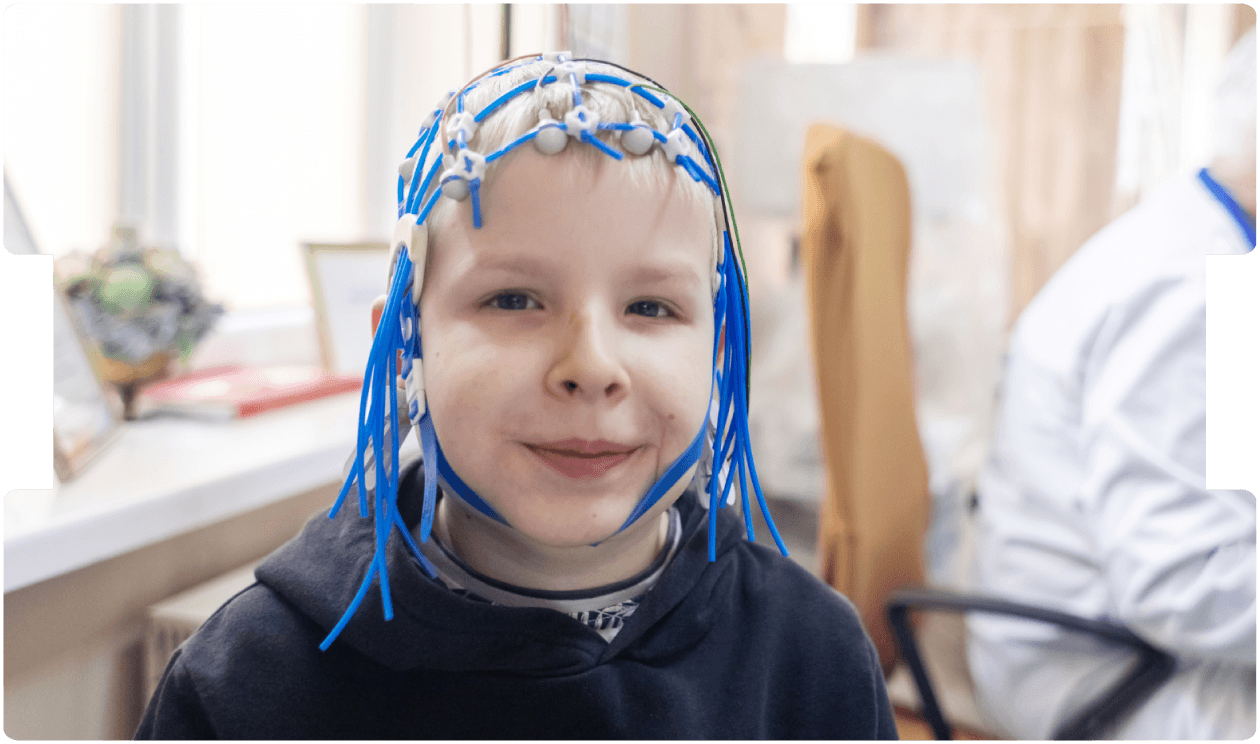
Early epilepsy misdiagnosis can weaken breach and causation. This article gives solicitors expert insights to spot errors, strengthen claims, and secure better client outcomes.
Epilepsy in children is frequently misunderstood in the early pathway - seizure activity can be mistaken for trauma, febrile episodes or behavioural issues. Diagnostic delay and mismanagement carry lifelong consequences for neurological development and care needs, directly influencing breach, causation, and quantum. Neurology expert evidence is essential to clarify seizure types, genetic syndromes and treatment protocols, and to assess whether opportunities for earlier intervention were missed.
Diagnostic Red Flags & Early Pathway
- Epilepsy is not a single diagnosis. Each syndrome has distinct prognoses and protocols. Ensure expert reports specify the likely subtype and the reasoning.
- Dravet Syndrome: often begins with febrile seizures at 5-8 months. Early features are commonly misattributed to benign convulsions or focal epilepsy. Delays increase seizure burden and neurodevelopmental harm.
- Infantile spasms: still missed - sometimes misread as reflux or startle. Even 2-4 week delays may carry long‑term consequences.
Medico‑Legal Considerations
- Breach: Were red flags recognised? Were referrals, imaging, EEG and genetic tests actioned promptly? Did management align with the suspected epilepsy subtype?
- Causation: If inappropriate therapy worsened seizures (e.g., sodium‑channel blockers in suspected Dravet), did this materially contribute to harm?
- Quantum: Consider the lifelong impact of delayed control on development, education, and care requirements.
Case Examples & Outcomes (Illustrative Patterns)
- Contraindicated medication pre‑diagnosis leading to avoidable hospitalisations and neurological decline.
- Delayed SCN1A testing deferring access to targeted treatments (e.g., cannabidiol, fenfluramine) and comprehensive care planning.
- Failure to escalate status epilepticus (beyond ~5 minutes) contrary to APLS pathways, contributing to hypoxic brain injury.
Key Takeaways for Solicitors
- Pin the specific epilepsy subtype early in instructions and expert reports.
- Map the timeline: parental concern → first presentation → investigations → referral → treatment → outcomes.
- Test treatment logic: did chosen drugs fit the working diagnosis at the time?
- Verify genetic testing thresholds and timing; document any impact on therapy options and prognosis.
- Compare actions to published pathways (e.g., escalation for prolonged seizures) when analysing breach.
Quote Highlights
“Epilepsy subtypes drive management - generic labels risk generic care.”
“Growth in precision medicine raises the standard: staying current with guidelines is part of reasonable care.”
“In status epilepticus, minutes matter - delays in escalation can be indefensible.”
Access our panel of 87 Paediatric Neurology Expert Witnesses >
Tags:
- Paediatric Epilepsy
- Epilepsy Litigation
- Seizure Mismanagement
- Delayed Diagnosis
- Neurologist Expert Witness
Expert Disciplines:
- Neurology
About The Author

Dr Mike Taylor
Consultant Paediatric Neurologist
Dr Micheál Taylor is a Consultant Paediatric Neurologist and Expert Witness with 2 years’ medico-legal reporting experience, having undertaken expert work since 2024. He prepares around 12–24 reports per year, all for Claimants, across Clinical Negligence, Personal Injury, Criminal and Family matters, including screening, breach of duty, causation, condition and prognosis.
His specialist expertise includes cerebral palsy, epilepsy, Dravet syndrome, developmental delay, neonatal neurology, neurodevelopmental and neuroinflammatory disorders, paediatric headache and traumatic brain injury, making him particularly suited to complex paediatric neurology instructions.
From the Blog
Related Articles
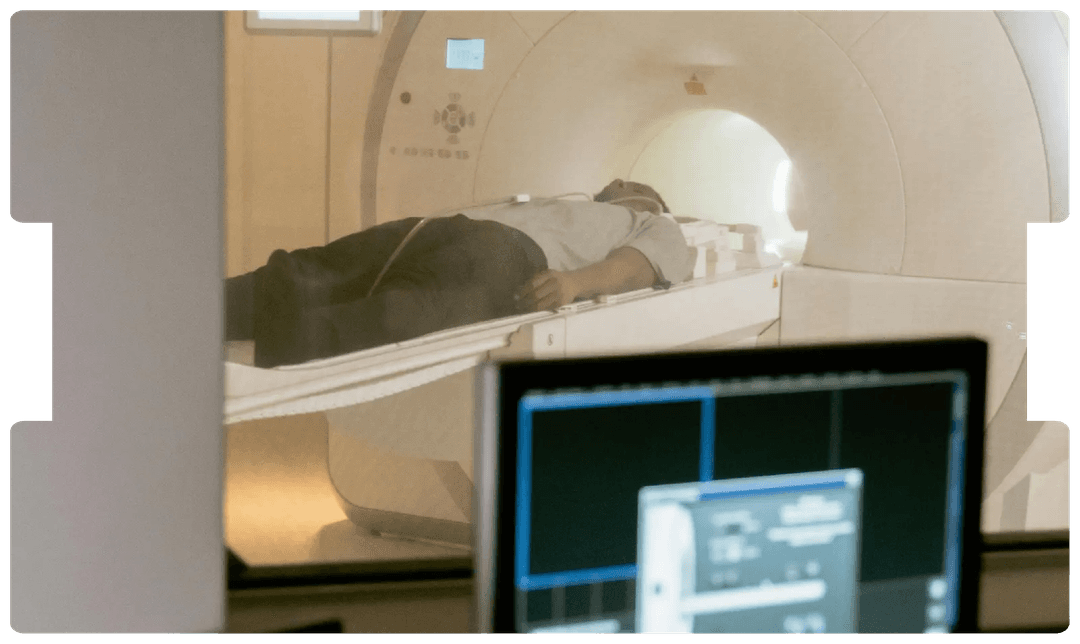
Gain expert insight into assessing post-traumatic seizure risk in head injury claims - vital for accurate prognosis, liability, and compensation in clinical negligence cases.
Help clients grasp complex clinical negligence issues with clear, expert-backed explanations - empowering solicitors to communicate effectively, manage expectations, and strengthen case outcomes with confidence.

Misdiagnosed epilepsy can derail paediatric claims. In this expert webinar, Dr Mike Taylor shares how to spot red flags, prove breach, and strengthen causation in epilepsy-related clinical negligence cases.
Find out why 70+ legal firms partner with INNEG.
Request a callback, or contact us.
INNEG respects your privacy. Any information you share with us will be used only to respond to your query.
Phone
+44 161 870 2461Thank you for your request!
We will get back to you as soon as possible.