Neonatal Failures in Birth Injury Claims: Where Care Breaks Down
By Dr Ujwal Kariholu, Consultant Neonatologist
Posted 26 March 2026
6 Minute Read
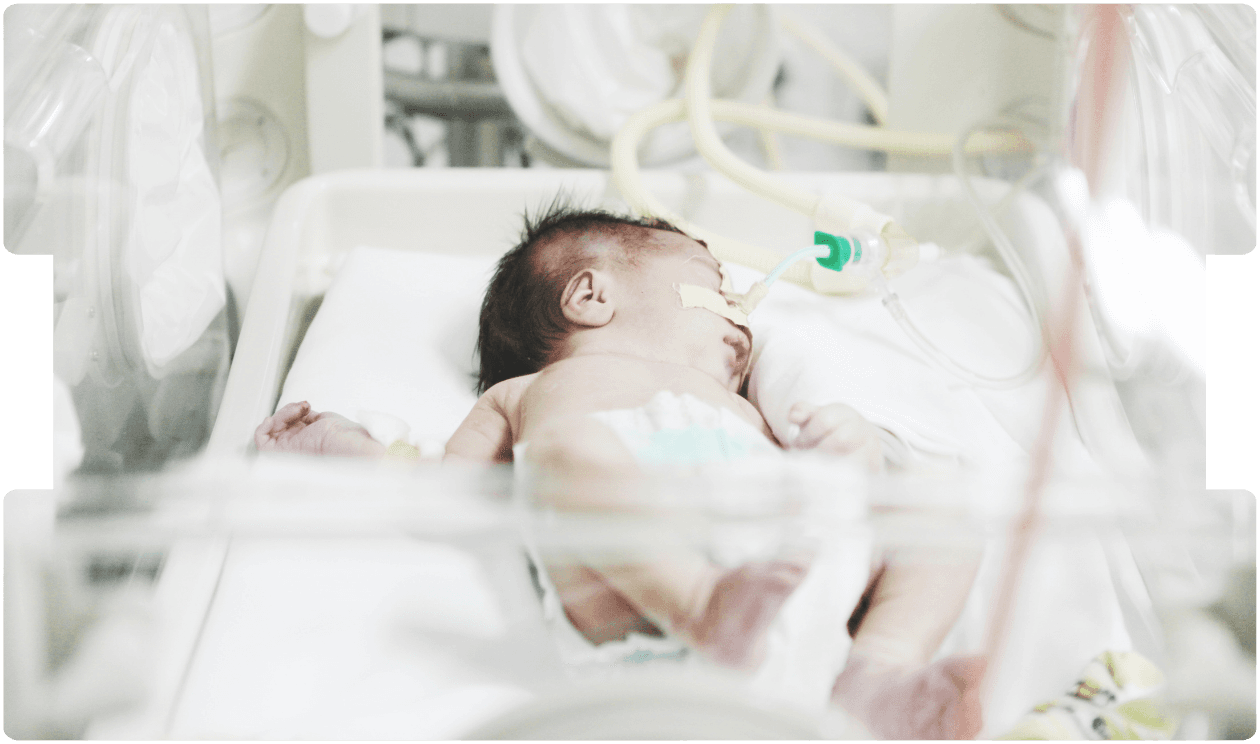
Neonatal care involves high-stakes decision-making, often within minutes of birth, where delays, misjudgements, or system failures can have lifelong consequences.
Watch the full webinar with Dr Ujwal Kariholu here >
Drawing on both clinical and medico-legal experience, this article explores where neonatal care most commonly breaks down, and how those failures translate into clinical negligence claims.
Foetal Compromise and Perinatal Failures
One of the most frequent issues in birth injury litigation is the delayed recognition or response to foetal distress. In practice, this often centres on CTG monitoring - where interpretation can vary, and subtle warning signs are missed or not escalated quickly enough.
Delays in decision-making, particularly around delivery, can have serious consequences. When intervention is not carried out in time, babies may suffer hypoxic-ischaemic encephalopathy (HIE), leading to outcomes ranging from mild developmental concerns to severe brain injury or death.
Neonatal Resuscitation Under Scrutiny
Resuscitation is one of the most heavily scrutinised stages in neonatal care. These cases often turn on timing, decision-making, and adherence to established guidelines.
Delays in initiating resuscitation, failure to follow Neonatal Life Support protocols, or difficulties in airway management can all come under review. A key medico-legal distinction emerges here: not every failed intubation is negligent - but failing to recognise that repeated attempts are causing ongoing hypoxia may well be.
“Minutes can make a huge difference in neonatal outcomes.”
Establishing Negligence in Neonatal Cases
Like all clinical negligence claims, neonatal cases must establish duty, breach, causation, and damage. However, these elements are often more complex in neonatal contexts, particularly where timing is critical and multiple factors may be involved.
A recurring challenge is incomplete or missing data. The absence of cord blood gases, placental histopathology, or timely imaging can make it extremely difficult to determine when an injury occurred.
“Without arterial cord gases, determining the timing of hypoxia becomes extremely difficult.”
This lack of clarity can significantly weaken (or complicate) arguments around causation.
Communication, Consent and the Human Factor
Not all claims are driven purely by clinical error. In many cases, the trigger is a breakdown in communication.
Where families feel they have not been listened to, or that information has been withheld, this can lead to a perception of “cover-up” - even where care may have been clinically appropriate.
“Claims are often driven by process and relationship failures rather than technical error.”
This highlights the importance of clear, transparent communication and properly documented consent throughout neonatal care.
Case Insights from Practice
Real-world cases often bring these issues into sharper focus.
In one example, a delay of several hours in escalating care for reduced foetal movements led to an emergency caesarean section, with the baby subsequently diagnosed with severe HIE. The central question became whether earlier intervention could have prevented the outcome.
In another case, concerns arose around consent after a baby received antibiotics in NICU despite parental objections. On closer review, the documentation showed refusal applied only to specific treatments, not all medications, and the clinical decision was ultimately considered justified. Here, the clarity of documentation proved critical.
What Solicitors Should Look For
Neonatal claims require a careful and often multidisciplinary approach. Timing is central - particularly in hypoxia-related injuries - and expert input is usually needed across obstetrics, neonatology, and radiology.
Equally, the quality of documentation can be decisive. Missing data or unclear records can make or break a case. It is also important to recognise that not all adverse outcomes indicate negligence, particularly in cases involving prematurity, where baseline risks are already elevated.
Early expert screening can play a valuable role in clarifying breach and causation, helping firms assess viability before costs escalate.
Key Reflections
“Neonatal medicine involves decisions that may only be questioned years later - when the child can speak for themselves.”
“Minutes matter - both before and after birth.”
“It is often the process, not just the clinical act, that leads to litigation.”
Tags:
- Birth Injury
- Birth Trauma
- Neonatal Hypoglycaemia
- Neonatal Litigation
Expert Disciplines:
- Neonatology
About The Author

Dr Ujwal Kariholu
Consultant Neonatologist
Dr Ujwal Kariholu is a Consultant Neonatologist at Imperial College Healthcare NHS Foundation Trust, with specialist neonatal practice since 2013. He has undertaken medico-legal work since 2018, preparing up to 12 Clinical Negligence reports per year, currently for Claimants, and has attended one trial. His reports include screening, breach of duty and causation.
His specialist expertise includes birth and brain injury, neonatal intensive care, prematurity, neonatal encephalopathy, congenital abnormalities, respiratory and neurological conditions, feeding, growth and developmental issues.
From the Blog
Related Articles
Understand how placenta histology reports provide crucial evidence in birth injury claims, helping solicitors assess breach, causation, and strengthen clinical negligence cases effectively.

In a recent case, a baby sustained life-altering neurological injuries during labour, with allegations centred around delayed escalation and misinterpretation of CTG readings...

When a firm approached INNEG on a complex, high-value birth injury claim involving alleged intrapartum hypoxia and lifelong neurodisability, they needed more than a list of names. They needed a coordinated, defensible expert structure. Within 72 hours, our dedicated Analyst had reviewed the case in detail, advised on the appropriate multi-disciplinary panel and secured nominations across obstetrics, neonatology, neuroradiology and neurology. The result was a strategically aligned evidential framework that allowed the claim to progress with clarity, pace and confidence.
Find out why 70+ legal firms partner with INNEG.
Request a callback, or contact us.
INNEG respects your privacy. Any information you share with us will be used only to respond to your query.
Phone
+44 161 870 2461Thank you for your request!
We will get back to you as soon as possible.