Updates In Scar Management Techniques
By Prof. Steven Jeffery , Consultant Plastic & Reconstructive Surgeon
Posted 20 July 2023
4 Minute Read
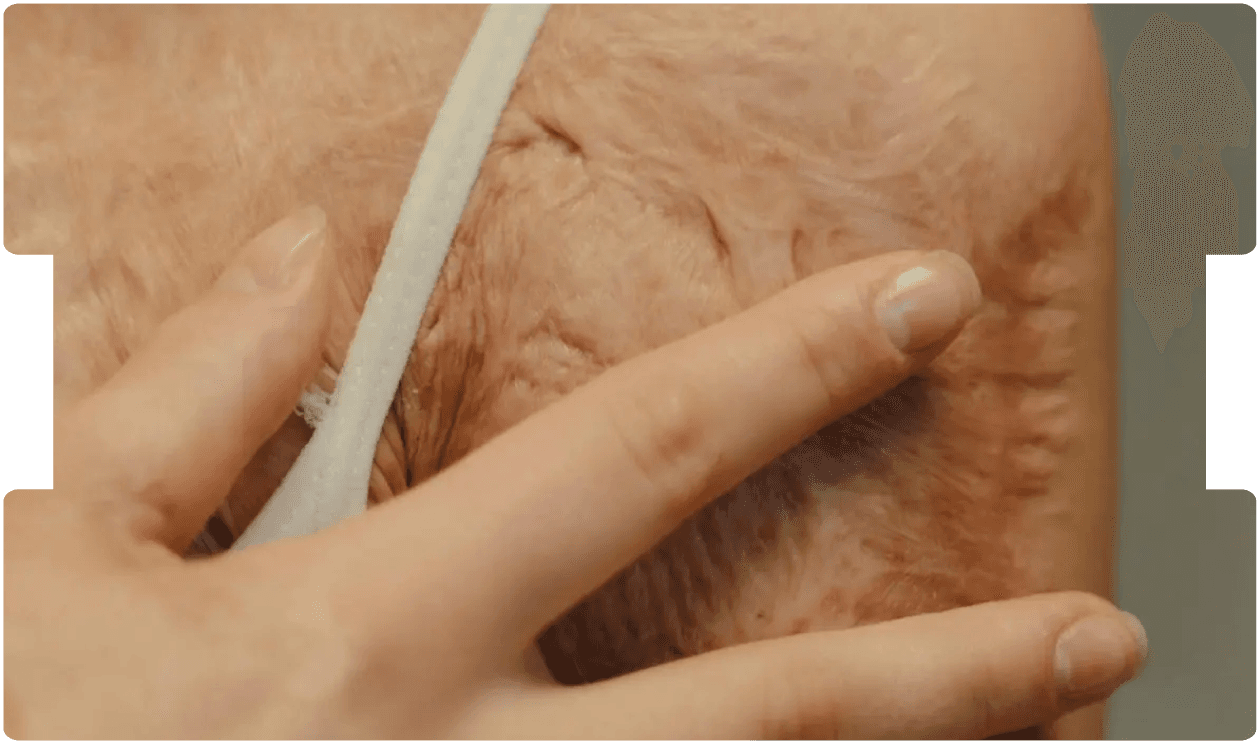
Understand how timing, treatment choice, and expert input affect scar outcomes - and how this impacts claim value and liability. A must-read for solicitors handling scarring in injury or negligence cases.
By Prof Steven Jeffery Consultant Plastic and Reconstructive Surgeon
The presence of scarring still causes many patients considerable cosmetic and functional problems with some scarring easier to treat than others.
Hypertrophic Scars
A hypertrophic scar is a thick raised scar that's an abnormal response to wound healing. They more commonly occur in taut skin areas following skin trauma, burns or surgical incisions.
Most hypertrophic scarring improves to a certain extent with the use of scar therapy by way of massage, silicone, pressure, steroids and / or treatment with a vascular laser. There is actually little evidence for the mode of action of these modalities, but as they are (with the exception of the vascular laser) generally relatively cheap and easily available they are the treatment options offered to patients in most clinics around the world.
Once scarring has become pale (ie the redness has gone), then these options will no longer work. The scarring has ‘set’. Therefore, these modalities should be employed early.
Action is Key
In my medicolegal practice, I often advise solicitors to pay for such a course of scar therapy, only to find that by the time this gets authorised, the scarring is pale and therefore no longer amenable to such manipulation.
Effective solicitor feedback can influence case strategy and expert recommendations, especially in complex scarring claims.
Difficult Scars
Some types of scars are also notoriously difficult to treat, particularly thick or dense scarring; the denser and thicker the scar the more restricting it will be to the patient. Surgical techniques of excision and resurfacing may be employed. This may be done under local or general anaesthesia, depending on the size of the scar. Tissue expanders can be used in this setting, despite the high complication rate and the prolonged discomfort and disfigurement endured by the patient, additionally, dermal substitutes may also be employed.
Lasers
Fractional thermolysis, introduced by Manstein and Anderson in 2004, offers the possibility of a successful and cost-effective way of managing these difficult patients by manipulating the scar rather than excising it.
The term ‘fractional’ is used as the technique produces thousands of narrow, non-contiguous columns of thermal damage up to a depth of 4mm of the skin and scar tissue; the amount of epithelial loss is confined to the narrow diameter of the column allowing rapid re-epithelialisation i.e. healing. The micro perforations in the scarring cause an increase in its pliability and depending on the depth of penetration, may also cause a weakening of adhesions between the scar and underlying tissue such as muscle or tendon.
In 2014 eight US military dermatologists and plastic surgeons produced a consensus document that described a treatment algorithm discussing the role of various lasers in scarring following burns injury or trauma. They concluded that ‘lasers, particularly Ablative Fractional Laser, deserves a prominent role in future paradigms for scar treatment, with the possible inclusion of early intervention for contracture avoidance and assistance with wound healing’. Since then, this treatment has become routine for the management of scars that are difficult to treat with other less invasive modalities.
To Summarise
In summary, there are many surgical and non-surgical techniques open to patients with scarring. Some doctors may not be aware of some of the newer techniques.
In my opinion, every medicolegal patient with a significant scar should see a plastic surgeon who can advise on the suitability of each different technique in reducing the appearance and or functional impairment of the scarring.
About the Author
Prof Steven Jeffery is a Consultant Plastic and Reconstructive Surgeon, specialising in the diagnosis and management of burns, traumatic wounds and scarring. He is also a Professor of Wound Study at Birmingham City University.
His qualifications are B.Sc., M.B.Ch.B. (Universities of St. Andrews and Manchester), F.R.C.S. (Edinburgh, England and Glasgow), E.B.O.P.R.A.S. (European Board of Plastic, Reconstructive and Aesthetic Surgery), F.R.C.S. (Plast).
Prof Jeffery has been providing medical reports since 1997, and complex, serious injury and clinical negligence claims since 2007. He regularly attends court as an expert witness. He has clinics in London, Birmingham, Eastbourne, Coventry and Bromsgrove.
Prof Jeffery can be contacted for expert witness enquiries at stevenjeffery@inneg.co.uk
Tags:
- Expert Report Quality
- Claim Lifecycle
- High-Value CN Claims
- Clinical Negligence Experts
- Rehabilitation Costs
- Scar Management
Expert Disciplines:
- Plastic & Reconstructive Surgery
About The Author

Prof. Steven Jeffery
Consultant Plastic & Reconstructive Surgeon
Prof. Jeffery specialises in burns, traumatic wounds, and scarring management, bringing over 25 years of expert witness experience in serious injury and clinical negligence cases. He regularly provides detailed medical reports and court testimony, with clinics across London, Birmingham, and the Midlands.
From the Blog
Related Articles
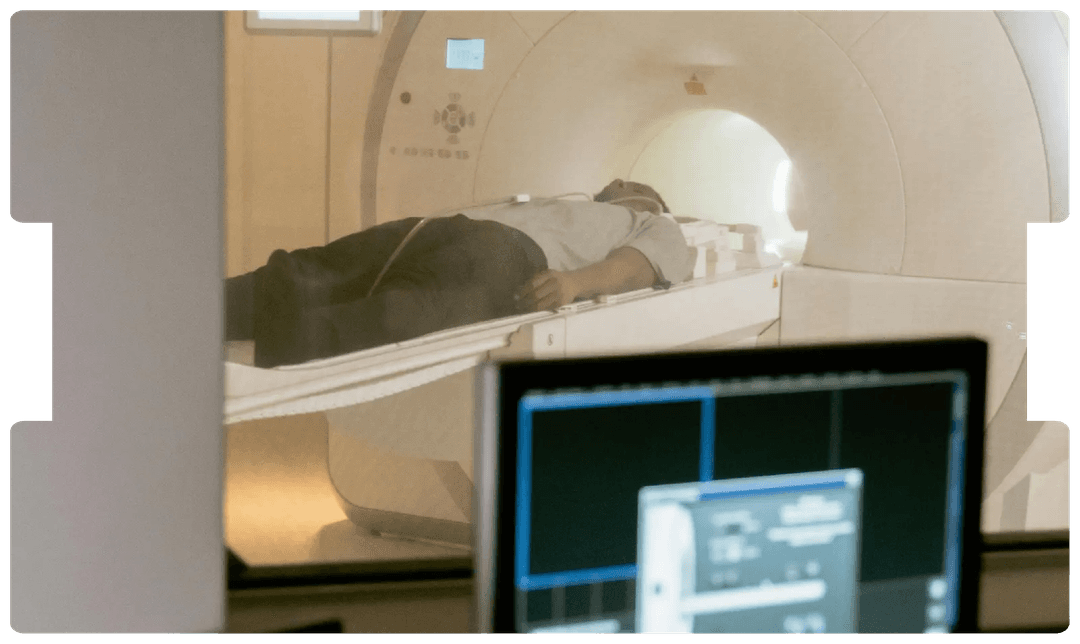
Gain expert insight into assessing post-traumatic seizure risk in head injury claims - vital for accurate prognosis, liability, and compensation in clinical negligence cases.
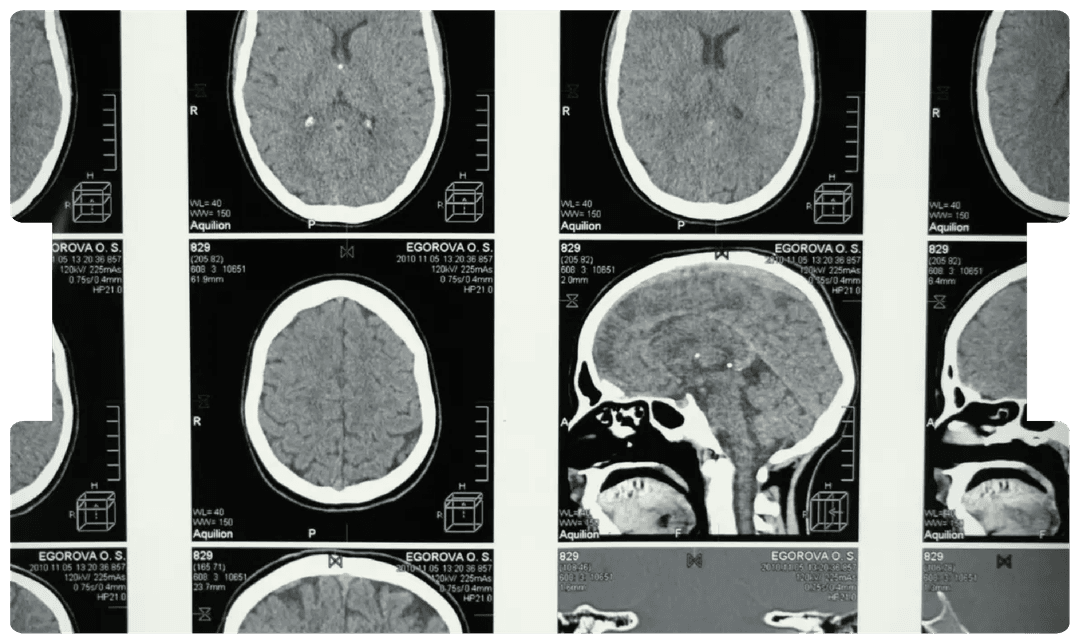
Sharpen your approach to complex claims involving functional symptoms. This expert-led guide helps distinguish genuine neurological disorder from malingering - crucial in high-stakes cases.
Help clients grasp complex clinical negligence issues with clear, expert-backed explanations - empowering solicitors to communicate effectively, manage expectations, and strengthen case outcomes with confidence.
Find out why 70+ legal firms partner with INNEG.
Request a callback, or contact us.
INNEG respects your privacy. Any information you share with us will be used only to respond to your query.
Phone
+44 161 870 2461Thank you for your request!
We will get back to you as soon as possible.