Waterbirth: Risks, Evidence and Documentation in Medico-Legal Claims
By Mrs Dianne Garland, Midwife
Posted 01 March 2026
7 Minute Read
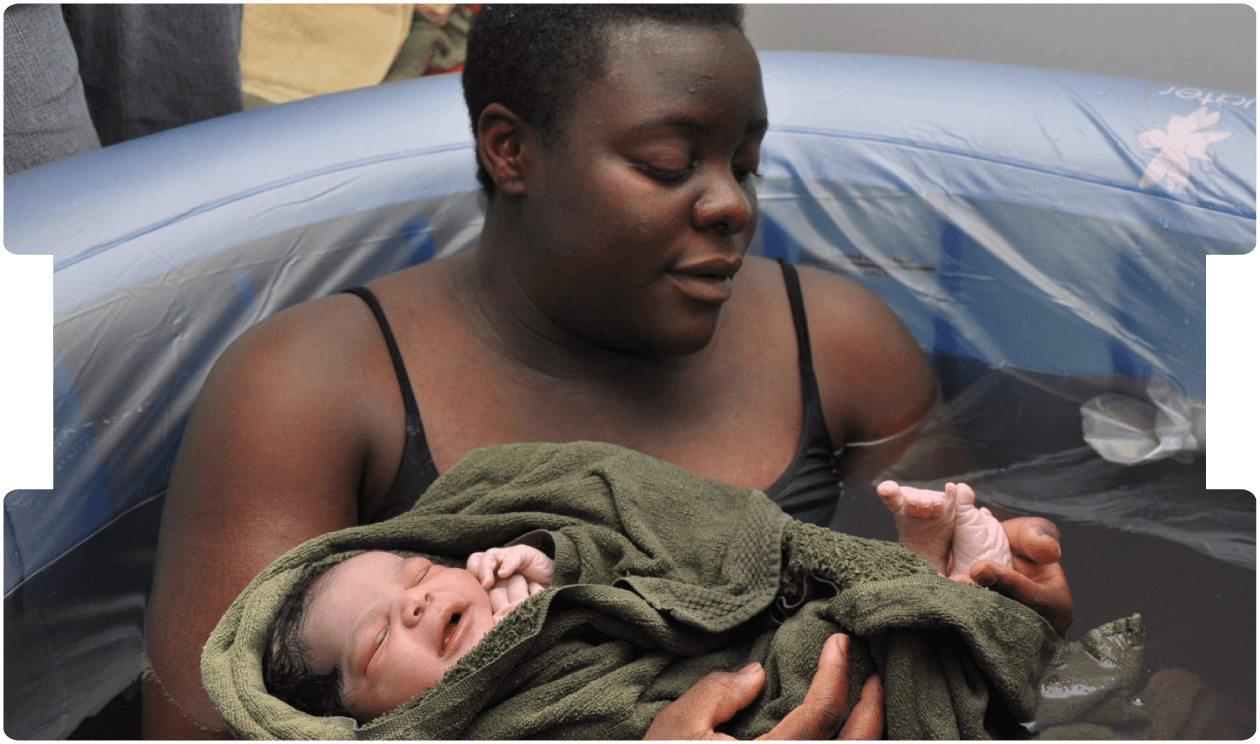
For solicitors handling maternity claims, waterbirth cases often reveal how easily myth, risk aversion and weak documentation can distort liability.
Waterbirth has been part of modern midwifery practice since the early 1980s, following the pioneering work of Michel Odent in France and Igor Charkovsky in Russia. Since then, the use of water for labour and birth has become increasingly familiar across UK maternity services, yet it remains an area that generates misunderstanding, risk-averse decision-making, and medico-legal dispute.
From a medico-legal perspective, waterbirth can feature in claims involving informed consent, restriction of maternal choice, alleged delays in escalation, perineal injury, and postnatal complications. Understanding what the evidence does, does not, say is therefore essential when assessing breach, causation, and the adequacy of documentation.
Advantages and disadvantages of waterbirth
The recognised benefits of labour and birth in water are well established in the literature and are largely based on physical and psychological outcomes.
From a physical perspective, water supports mobility and freedom of movement, offers effective non-pharmacological pain relief, and is associated with reduced intervention rates. Psychologically, immersion in water promotes deep relaxation and gives the woman a greater sense of control over her labour and birth, which can be particularly relevant in cases involving birth trauma or psychological injury.
The disadvantages most commonly cited are not clinical risks in themselves, but service-level and workforce issues. These include the availability of midwives trained in supporting physiological labour and birth in water, and access to suitable birth pools across different settings, home, birth centres and obstetric units. In medico-legal claims, these practical limitations are often conflated with safety concerns, despite being organisational rather than evidence-based.
The evidence base
There have been numerous national and international studies since the early 1980s examining maternal and neonatal outcomes associated with waterbirth. Data has been collected and published by midwives and obstetricians across decades, focusing on outcomes such as length of labour, perineal trauma (including rates of obstetric anal sphincter injury), analgesia use, and neonatal Apgar scores.
Recent UK publications include work by Garland (2017, 2025, 2026), Burns (2019, 2022), and Feeley (2021, 2023). In 2024, the large-scale POOL study analysed outcomes for approximately 60,000 women across 26 NHS sites who used water for labour and birth. This study reported no increase in adverse primary outcomes for either mothers or neonates.
A subsequent paper published in 2025 examined the decline in water use during 2021–2022, attributing this reduction partly to perceived risks associated with COVID-19, despite limited evidence of increased harm. Importantly, the same period saw rising rates of induction of labour and caesarean section, both of which directly reduce access to water immersion and have medico-legal implications of their own.
For solicitors, these findings are frequently relevant when assessing whether refusal of waterbirth was evidence-based, proportionate, and properly communicated.
Risk assessment and decision-making
When discussing risk with women considering waterbirth, I use a structured nine-point risk assessment plan. This approach is particularly relevant in complex cases where historical obstetric events are relied upon to restrict maternal choice.
By way of example, I recently supported a mother with a previous fourth-degree tear following an instrumental delivery, a recognised and well-documented risk factor. Her obstetrician advised against waterbirth and recommended an elective caesarean section, but did not provide research evidence to support this position.
Through a combination of literature review, professional correspondence, and a clearly documented care pathway, the woman’s request for waterbirth was reassessed. Several months later, she achieved a successful home waterbirth, even during the height of the COVID-19 pandemic.
From a medico-legal standpoint, this case illustrates how risk can be framed subjectively rather than evidentially, and how failure to engage with current research may undermine decision-making. The nine-point plan often requires detailed review of previous medical records, multidisciplinary discussion, and sufficient time to explore options properly. For this reason, women should ideally raise waterbirth choices by around 28 weeks’ gestation, allowing adequate time for assessment and planning.
Documentation and consent
Documentation is one of the most critical aspects of waterbirth-related claims. I strongly recommend that all discussions relating to consent are clearly recorded, dated, and signed by both the healthcare professional and the mother.
While such documents are not legally binding contracts, they provide a contemporaneous record of discussions, risk assessment, and any agreed limitations or contingencies regarding use of a birth pool. In my role as both professional advocate and expert witness, signed consent forms and birth preference documents are frequently central to postnatal debriefs and legal proceedings.
Birth preference forms, often referred to as birth plans, are not legally binding, but they play an important role in evidencing what was discussed, what the woman understood, and whether her choices were respected. These documents should reference relevant risk assessments, multidisciplinary input, and applicable local or national guidelines.
Common allegations, concerns and myths
Common concerns expressed by families include being told they are “not allowed” to use a pool, often due to staffing pressures, lack of trained personnel, or previous medical or obstetric history. Frequently cited issues include previous OASI tears, postpartum haemorrhage, or raised BMI. These factors require assessment, not automatic exclusion.
Emergency evacuation from the pool is another area of anxiety for staff and families alike. While emergencies are rare, appropriate equipment, training and regular skills drills are essential. At home births, families are sometimes incorrectly told that pools would be “slashed” in an emergency, exposing mothers and staff to unnecessary risk. This reflects poor practice rather than evidence-based guidance.
Perhaps the most persistent myth is that babies may drown during waterbirth, often arising from misunderstanding of neonatal physiology and the mechanisms governing the first breath.
For solicitors, distinguishing myth from evidence is critical when analysing breach and causation.
What does good practice look like?
Good practice in waterbirth is underpinned by open, evidence-based discussion with women, clear documentation, and appropriately trained staff. Health professionals must understand the physiology of labour and birth in water, and services must ensure training aligns with local, national and international standards.
From a medico-legal perspective, claims involving waterbirth frequently turn not on the use of water itself, but on failures in communication, documentation, risk assessment, and respect for maternal autonomy. These are the areas where careful scrutiny of records and evidence is essential.
Tags:
- Birth Injury
- Waterbirth
- Birth Trauma Litigation
- Neonatal Injury
Expert Disciplines:
- Midwifery
About The Author

Mrs Dianne Garland
Midwife
Dianne Garland is a Midwife and Expert Witness with medico-legal reporting experience dating back to 2000. She prepares around 3–5 reports annually, predominantly for Claimants, and has experience preparing joint statements.
She has over 42 years’ midwifery experience, including senior NHS roles, and remained clinically active until 2023. Her specialist expertise includes intrapartum and postnatal care, waterbirth, instrumental and Caesarean birth, infant feeding, risk management and supervision of midwives.
From the Blog
Related Articles

Understand how courts view guideline compliance versus clinical judgment, helping solicitors assess breaches of duty and build stronger clinical negligence cases with legal clarity.
Understand how placenta histology reports provide crucial evidence in birth injury claims, helping solicitors assess breach, causation, and strengthen clinical negligence cases effectively.

Every four minutes, a woman dies globally of obstetric haemorrhage - yet these cases rarely translate into medico-legal claims. By contrast, rare intrapartum hypoxia events are overrepresented, leading to multi-million-pound cerebral palsy claims.
Find out why 70+ legal firms partner with INNEG.
Request a callback, or contact us.
INNEG respects your privacy. Any information you share with us will be used only to respond to your query.
Phone
+44 161 870 2461Thank you for your request!
We will get back to you as soon as possible.