Identifying Specialist Causation Expertise in a Complex Drug Injury Claim
By Jessica Platt, Marketing Assistant
Posted 29 July 2026
4 Minute Read
Have you ever instructed an expert, only to realise they couldn't answer the question that mattered most?
In complex drug injury claims, the obvious expert is not always the right one. This case study explores how a dedicated INNEG Analyst looked beyond the apparent injury to identify specialist expertise capable of addressing the key causation issues from the outset.
The Case
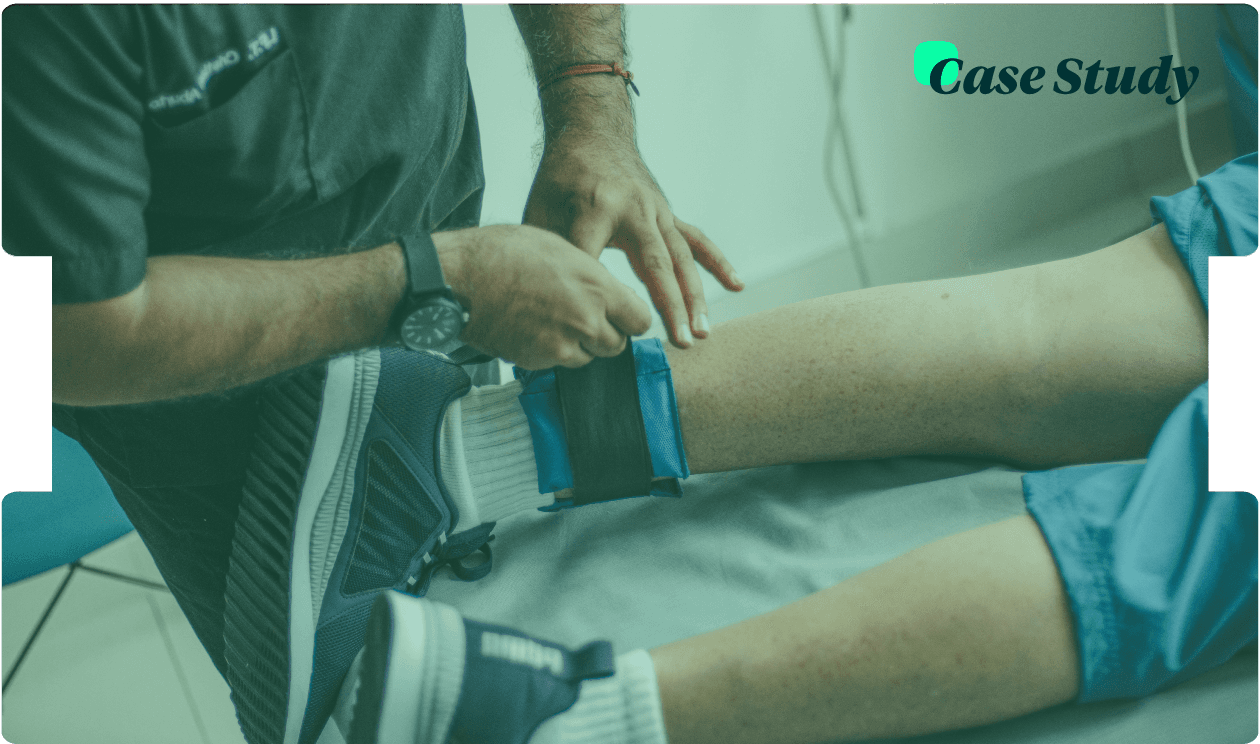
A solicitor approached INNEG with a clinical negligence claim involving allegations that a fluoroquinolone antibiotic had been prescribed inappropriately, resulting in tendon damage and persistent ankle pain.
Although the claimant's symptoms had improved over time, they continued to experience restrictions affecting mobility, exercise and day to day activities.
At first glance, the instruction appeared to require an Orthopaedic Surgeon. However, after reviewing the claim, it became clear that the central issue was not simply assessing the tendon injury. The expert also needed to explain whether the medication could plausibly have caused the damage, address the mechanism of injury and provide a robust opinion on causation and prognosis.
The Challenge
The solicitor had already identified one expert believed to have the necessary experience. However, repeated attempts to contact them had been unsuccessful, leaving the claim dependent on a single individual's availability.
Rather than treating the instruction as a straightforward orthopaedic search, INNEG's dedicated Analyst reviewed the evidential issues at the heart of the claim.
The question was not:
"Who can assess an ankle injury?"
It was:
"Who can provide a defensible opinion on both the injury and the alleged adverse drug reaction?"
That distinction fundamentally changed the expert strategy.
What INNEG Did
Instead of limiting the search to Orthopaedic Surgery, the Analyst explored multiple relevant disciplines, including Clinical Pharmacology, Toxicology, Rheumatology, Pain Medicine and Rehabilitation Medicine, identifying clinicians whose experience aligned with the specific causation issues in dispute.
The original expert was successfully nominated, while two additional specialists with directly relevant expertise were also identified.
Rather than relying on a single expert in a highly limited market, the solicitor received three credible options, each capable of addressing both the tendon injury and the complex drug related causation issues central to the claim.
Why This Mattered
By understanding the case before beginning the search, INNEG helped ensure expert selection was driven by the evidential needs of the claim rather than the apparent injury alone.
This enabled the solicitor to compare experts based on their relevant clinical experience, medico legal expertise, availability and suitability for the issues in dispute, providing greater confidence that the chosen expert could deliver robust and clinically relevant evidence.
Outcome
- Three specialist experts identified for a highly niche instruction
- Specialist expertise sourced beyond the obvious discipline
- Reduced reliance on a single expert in a limited market
- Expert evidence aligned to the key causation issues from the outset
Key Takeaway
Complex claims are not always won by finding an expert quickly. They are won by identifying the expert best placed to answer the questions that will ultimately determine the outcome.
At INNEG, our dedicated Analysts work with solicitors from the outset to understand the clinical and evidential issues in dispute, helping ensure expert selection is driven by the needs of the case, not simply the title of the specialty.
Need help identifying the right expert for a complex claim?
Our dedicated Analysts work alongside solicitors to understand the evidential issues before identifying the expertise best suited to the case, helping you build a stronger expert strategy from the outset.
Speak to an INNEG Analyst today >
Tags:
- Toxicology
- Pharmacology
- Case Efficiency
Expert Disciplines:
- Toxicology
- Orthopaedic Surgery
About The Author

Jessica Platt
Marketing Assistant
Jessica Platt is the Marketing Assistant at INNEG, where she helps bring clarity, consistency, and creativity to every client touchpoint. Passionate about purposeful communication, she supports INNEG’s mission to simplify the complex and spotlight the value behind medico-legal services.
From the Blog
Related Articles

Understand how robust consent processes in medical aesthetics reduce litigation risk, improve patient outcomes, and help solicitors build stronger clinical negligence cases involving cosmetic treatments.

Medication-related harm affects 1 in 30 patients - and many cases are preventable. This article explores how pharmacological diligence can avert dosage errors, duplications, and fatal drug interactions in clinical practice.
For clinical negligence solicitors, this expert insight on atrial fibrillation clarifies diagnosis, risk factors, treatment, and medico-legal nuances-helping build stronger, evidence-based claims and defenses.
Find out why 70+ legal firms partner with INNEG.
Request a callback, or contact us.
INNEG respects your privacy. Any information you share with us will be used only to respond to your query.
Phone
+44 161 870 2461Thank you for your request!
We will get back to you as soon as possible.