Birth Injury Hypoxia: Dr Benjamin Viaris de Lesegno, Consultant Obstetrician
By Dr Benjamin Viaris de Lesegno, Consultant Obstetrician and Gynaecologist
Posted 28 April 2026
3 Minute Read
When did the injury really happen - and how do you prove it?
Birth injury claims involving hypoxia remain some of the most complex and high-value cases in clinical negligence. Understanding timing, causation, and the role of obstetric evidence is critical for building or defending a claim.
In this webinar, Consultant Obstetrician Dr Benjamin Viaris de Lesegno explores how hypoxic injury is assessed, where disputes arise, and what solicitors should look for in the records.
About the Speaker
Dr Benjamin Viaris de Lesegno is a Consultant Obstetrician and Gynaecologist with subspecialist expertise in maternal and foetal medicine.
With over 20 years’ experience in maternity risk management and clinical practice, he now also acts as an expert witness in complex birth injury claims, advising on breach, causation, and standard of care.
Key Webinar Insights
- In hypoxia claims, the dispute rarely centres on whether injury occurred, but when it occurred, and whether labour management made a material difference
- CTG is heavily relied upon but cannot establish hypoxia or causation in isolation, making it one of the most contested forms of evidence
- A “reassuring” CTG does not rule out injury, particularly where monitoring gaps or missing traces limit what can be concluded
- Babies with antenatal compromise may appear stable but have reduced reserve, meaning otherwise tolerable labour events become causative
- Many cases involve gradual deterioration rather than a single acute event, making timing of intervention difficult to define and defend
- Failure to act on CTG is often more significant than interpretation itself, particularly where escalation is delayed or poorly documented
- Multiple strands of evidence (CTG, MRI, cord gases, clinical records) often point in different directions, creating genuine causation disputes
- In practice, expert opinion is tested on logic, consistency and ability to address conflicting evidence, not just clinical experience
- Documentation gaps can significantly weaken a claim, particularly where key decisions or concerns are not clearly recorded
Tags:
- Birth Injury
- Birth Injury Claims
- Hypoxia
- Birth Trauma Litigation
Expert Disciplines:
- Obstetrics and Gynaecology
About The Author
.gif&w=384&q=75)
Dr Benjamin Viaris de Lesegno
Consultant Obstetrician and Gynaecologist
Dr Benjamin Viaris De Lesegno is a Consultant Obstetrician and Gynaecologist specialising in Maternal and Fetal Medicine. He has undertaken medico-legal work since 2024, preparing approximately six reports per year across Clinical Negligence and Personal Injury, with a 50/50 Claimant and Defendant split. His reports include screening, breach of duty, causation, and condition and prognosis.
His specialist expertise includes high-risk pregnancy, fetal and maternal medicine, fetal growth restriction, pre-eclampsia, birth trauma, assisted delivery, Caesarean section, labour monitoring, obstetric haemorrhage, multiple pregnancy and antenatal ultrasound.
From the Blog
Related Articles

Understand how courts view guideline compliance versus clinical judgment, helping solicitors assess breaches of duty and build stronger clinical negligence cases with legal clarity.
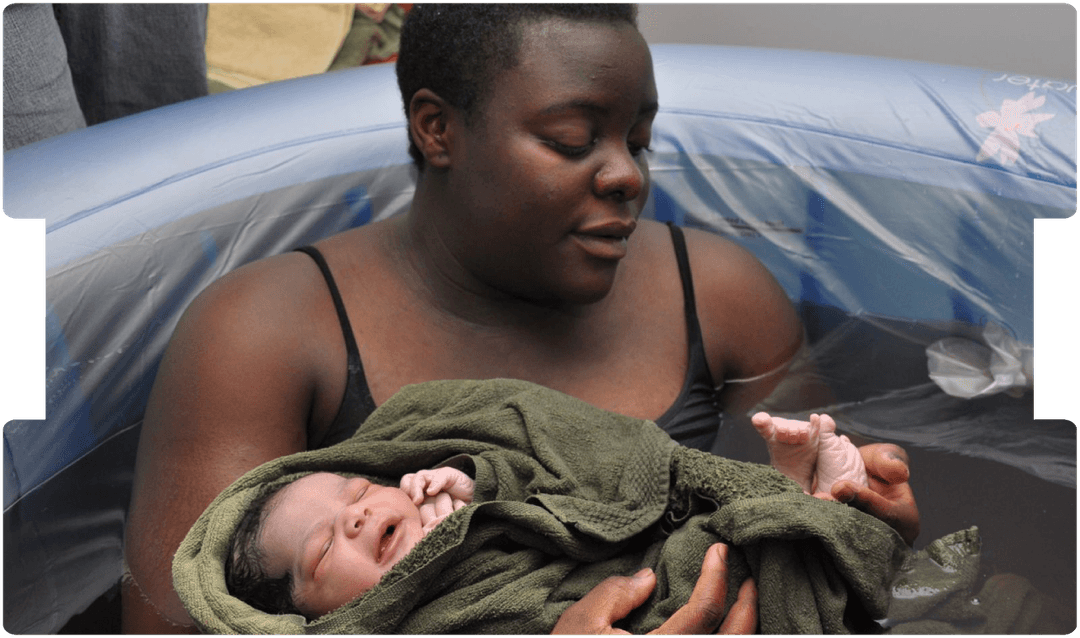
A concise, expert-led guide to waterbirth risks, consent and documentation - written for solicitors assessing breach and causation.

Every four minutes, a woman dies globally of obstetric haemorrhage - yet these cases rarely translate into medico-legal claims. By contrast, rare intrapartum hypoxia events are overrepresented, leading to multi-million-pound cerebral palsy claims.
Find out why 70+ legal firms partner with INNEG.
Request a callback, or contact us.
INNEG respects your privacy. Any information you share with us will be used only to respond to your query.
Phone
+44 161 870 2461Thank you for your request!
We will get back to you as soon as possible.