COVID 19 and cancer services - Business as Usual?
By Dr Stephen Falk, Consultant Oncologist
Posted 10 December 2021
3 Minute Read
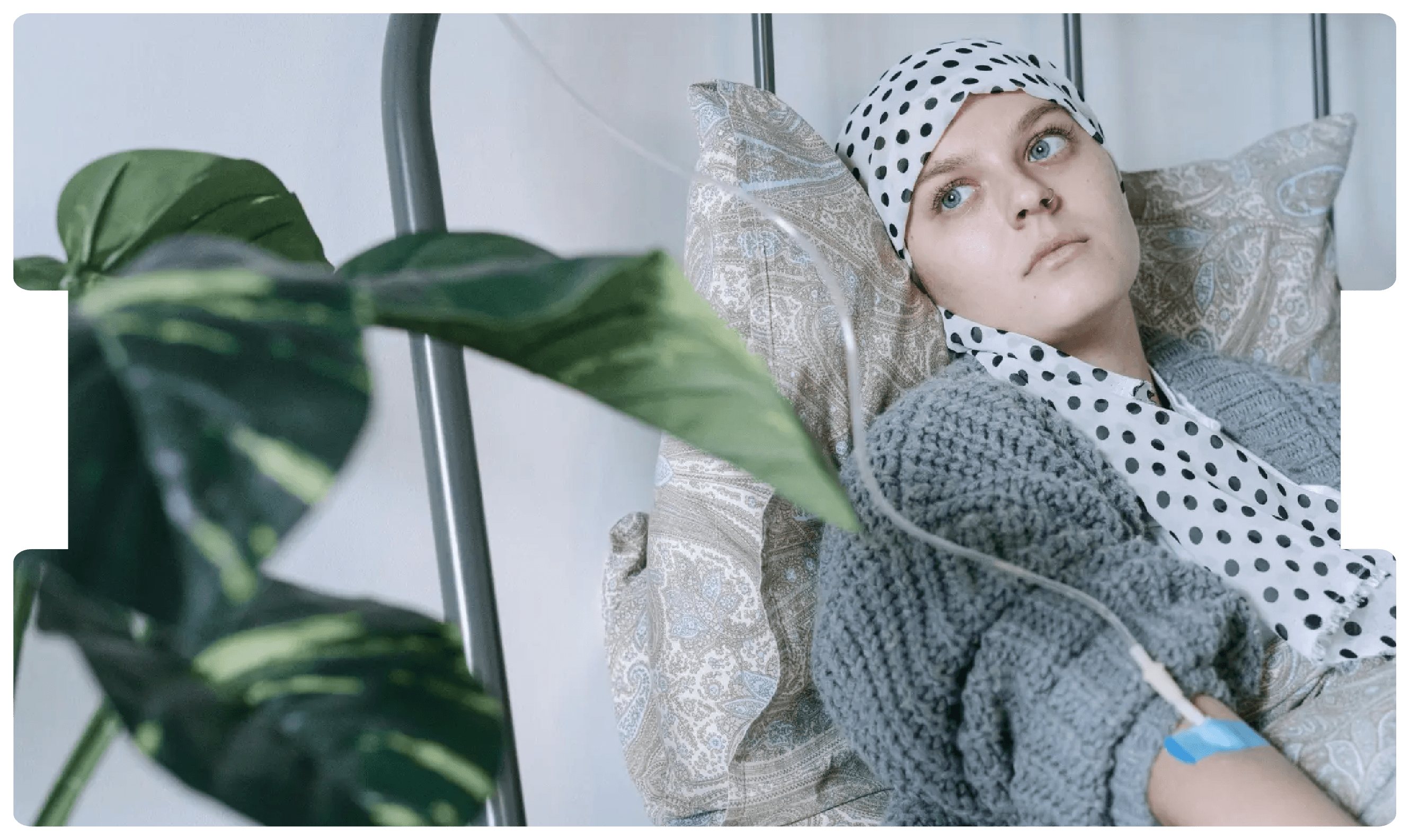
Explore how the COVID-19 pandemic impacted cancer services, disrupted care pathways, and what it revealed about system resilience in this insightful piece by Consultant Clinical Oncologist Dr. Stephen Falk.
By Dr Stephen Falk, Consultant Clinical Oncologist
Following on from Dr Falk's first article "COVID 19 and Cancer Services? Litigation Hotspot" back in June 2021 Read Part 1 Here
Dr Falk is back with an end of year update regarding covid and cancer within the NHS. Enjoy and Merry Christmas to you all.
As we near a second now somewhat uncertain Christmas, given the Omicron variant rapidly spreading throughout the world, it seems an opportune moment to reflect on how cancer services are currently coping with the NHS under unprecedented strain.
The problem is very straightforward. We may not have a huge number of patients occupying beds but it’s enough to tip a service already at full capacity over the edge in terms of maintaining certainly routine surgical services. The consequence is that there are ongoing delays in diagnostics in particular, longer patient pathways and whilst cancer cases are being operated on, they are often delayed more than pre-pandemic. This is reflected in the cancer waiting times targets where the NHS target of 85% of patients beginning their treatment following an urgent two-week wait suspected cancer referral from the GP within 62 days of diagnosis not being met with only 69.7% doing so in February 2021. These figures are not improving.
Over the last 18 months there have been 47,300 fewer cancer diagnoses made than usually predicted. Anecdotally we are all starting to see more advanced cases and particular issues in colorectal services around the country with more advanced disease, often symptomatic, requiring urgent surgery then delayed.
Delayed diagnoses, especially in conditions like lung cancer, have been a key area of litigation - explore this further in Litigating Delayed Diagnosis of Lung Cancer.
For nonsurgical services the number of treatments is now around 10% higher than it was pre-pandemic showing that at least radiotherapy, chemotherapy, and immunotherapy services have effectively fully recovered. For me however I’m worried that it is a reflection of the more advanced disease that we are seeing.
No one is entirely clear why we seem to be so many cancer diagnoses down. This reflects not necessarily difficult in accessing medical care as widely reported but less people coming forward with concerns over cancer contributing to a lull in numbers.
From a litigation perspective we’ve got to worry about these missing cases. If members of the public coming are not coming forward with concerns then we don’t have a problem. However the general public’s perception as expressed to me as an oncologist is accessing primary care is if not difficult, nigh impossible. The poor publicity and criticism the government has given primary care is exceptionally unhelpful in that it reinforces this belief which seems largely untrue. If however it reflects reality for an individual and patients then feel they are getting an unsatisfactory service particularly in terms of remote consultation then litigation around delayed diagnoses will increase.
Where I work we have not seen as yet COVID delay cases coming through secondary care for cancer, neither have I been instructed as such as yet. However, issues regarding remote consultation I am sure are going to cause difficulties and litigation going forward. As ever these cases can be defended on the basis of expected practice by reasonable body and hopefully excellent documentation and safety netting.
For insight into how expert reporting itself was affected during this period, read Medico-Legal Reports in the COVID-19 Pandemic.
About the Author:
Dr Stephen Falk is Consultant Oncologist and undertakes medico-legal reporting. Dr Falk qualified from Liverpool University in 1983 and spent a period in Liverpool undertaking a general medical rotation. He then trained in oncology in Cardiff and Cambridge becoming a consultant in Bristol in 1994. He has sessional commitments to Southmead Hospital Bristol.
His areas of specialist interest are: gastro-intestinal cancer (oesophagus, stomach, pancreas, colorectal, hepatobiliary), lung cancer, lymphomas and skin cancers, radiotherapy and chemotherapy.
Dr Falk is an experienced expert witness and can be contacted for all medico-legal work and to request his CV at stephenfalk@inneg.co.uk
Tags:
- COVID-19
- Delayed Cancer Diagnosis
- Oncology Expert Witness
- Cancer Treatment Backlog
- Remote Consultation Litigation
- Oncology Negligence
Expert Disciplines:
- Oncology
About The Author
.jpg&w=384&q=75)
Dr Stephen Falk
Consultant Oncologist
Dr Stephen Falk is a Consultant Clinical Oncologist who has undertaken medico-legal work since 1998, preparing reports on causation, condition and prognosis across a broad range of oncology claims. He completes around 200 medico-legal reports each year, acting for claimants, defendants and on joint instructions, and has experience preparing joint statements and giving evidence at trial.
His specialist expertise includes colorectal, upper gastrointestinal, hepato-biliary and pancreatic cancers, lung cancer, lymphoma, neuroendocrine tumours and skin cancer, alongside chemotherapy and radiotherapy.
From the Blog
Related Articles
Explore expert insights on how remote GP consultations impact diagnosis, patient care, and negligence risks - vital knowledge to navigate claims and strengthen your clinical negligence cases.
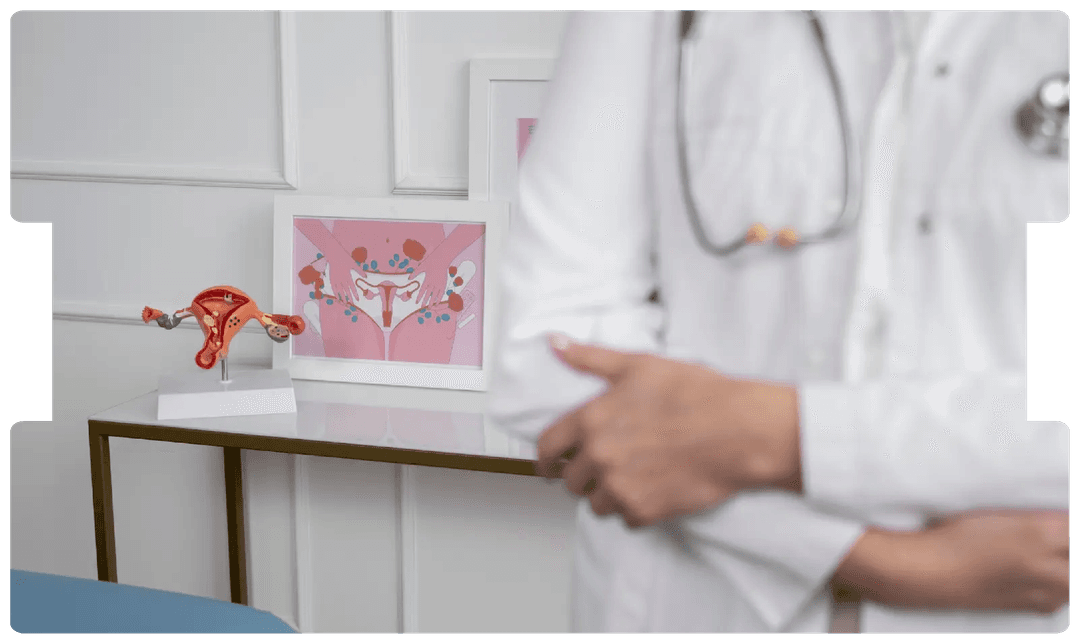
Gain expert insight into where and why cervical screening errors occur, strengthening your ability to assess, argue, and advise on potential claims.
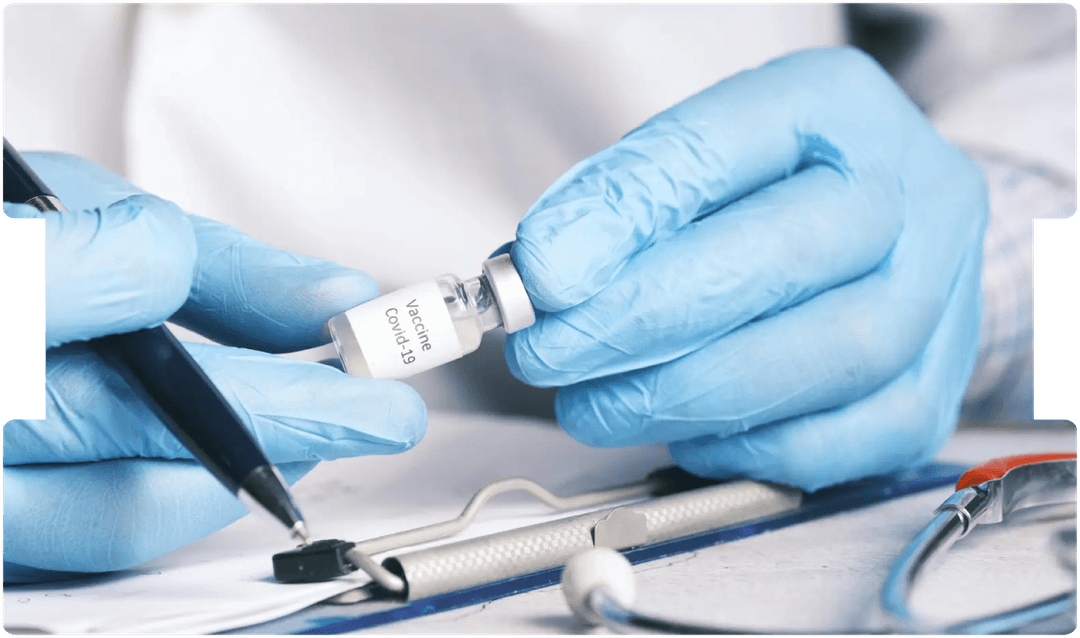
Explore key legal risks around consent, documentation, and vaccine errors - vital insight for clinical negligence claims arising from COVID-19 vaccine administration.
Find out why 70+ legal firms partner with INNEG.
Request a callback, or contact us.
INNEG respects your privacy. Any information you share with us will be used only to respond to your query.
Phone
+44 161 870 2461Thank you for your request!
We will get back to you as soon as possible.