Functional Neurological Disorder in Injury Claims: Key Medico-Legal Insights
By Dr Christopher Price, Consultant Neurologist
Posted 15 January 2025
8 Minute Read

Handling a case with confusing neuro symptoms but no clear diagnosis? Discover how understanding FND can help you clarify causation, assess prognosis, and build a stronger medico-legal claim.
Functional Neurological Disorder in Injury Claims: Key Medico-Legal Insights
Functional Neurological Disorder (FND) is one of the most frequently misdiagnosed and misunderstood conditions in medico-legal practice. This article unpacks the clinical and legal relevance of FND - highlighting diagnosis, causation, prognosis, and recovery within personal injury and clinical negligence claims.
Watch the full webinar with Dr Christopher Price here >
Clinical Features and Diagnostic Challenges
FND often presents like stroke, epilepsy, or brain injury - but with no identifiable structural pathology. It is a common referral in neurology, with up to 30% of outpatient appointments involving a functional component.
- Patients may exhibit seizures, limb weakness, speech loss, or movement disorders.
- Symptoms are real and disabling, but are due to dysfunction in brain networks - not damage.
- FND is not diagnosed by exclusion. It requires identifying positive signs, such as Hoover’s sign or entrainment of tremor.
“We confirm FND using positive signs - not just ruling everything else out.”
- Dr Christopher Price
Medico-Legal Considerations
FND introduces unique complexities in litigation, especially where trauma, psychological history, and functional overlay intersect. Solicitors should consider:
The "3 Ps" Model of Causation:
- Predisposing factors - early trauma, mental health history, personality traits
- Precipitating events - often minor physical trauma (e.g. RTA, fall, concussion)
- Perpetuating factors - ongoing litigation, lack of diagnosis, social stressors
- Malingering is rare - most patients do not consciously fabricate symptoms.
- Litigation itself may act as a stressor, worsening symptom persistence.
- Recovery is linked to acceptance of diagnosis and early intervention.
“Apologies for this - but litigation can be a perpetuating factor.”
- Dr Christopher Price
Case Examples & Outcomes
Case 1: Mild TBI or FND?
A middle-aged man involved in a minor cycling accident exhibited ongoing cognitive and functional symptoms 18 months post-injury. Imaging was normal. A careful records review uncovered inconsistencies, psychiatric history, and life stressors - supporting a dual diagnosis of FND and mild TBI. The case settled pre-trial.
Case 2: Functional Seizures Post-Concussion
Another client presented with non-epileptic attacks (NEAD) following concussion. With no structural findings, but a diagnosis of FND, treatment involved online psychoeducation followed by psychological therapy. Early MDT referral improved prognosis.
Key Takeaways for Solicitors
- FND is real, common, and disabling - even without scan findings.
- Positive diagnosis is key - not exclusion.
- Mixed presentations (e.g. FND + mild TBI) are common and require nuanced expert input.
- Litigation stress can influence recovery and should be factored into causation.
- Early diagnosis and therapy improve functional outcomes and reduce care costs.
“The longer the symptoms go on, the harder they are to treat—but never rule out recovery.”
Quote Highlights from the Webinar
- “It’s a network disorder - like a bad connection across brain systems.”
- “FND is not a diagnosis of exclusion - it’s a diagnosis with identifiable features.”
- “My job is to stop people with FND from ending up in long-term care.”
- “We all have bad days - consistency in ADLs is complex and human.”
Tags:
- Neurologist Expert Witness
- Functional Disability
- Seizure Risk
- Seizure Misdiagnosis
- Traumatic Brain Injury
Expert Disciplines:
- Neurology
About The Author
Dr Christopher Price
Consultant Neurologist
Dr Christopher Price is a Consultant Neurologist and Expert Witness with 6 years’ medico-legal reporting experience, having undertaken expert work since 2020. He prepares around 5-10 reports per year, predominantly for Claimants, across Clinical Negligence and Personal Injury matters, including screening, breach of duty and causation.
His specialist expertise includes head injury, subdural haemorrhage, stroke, epilepsy, migraine, neurovascular disease and functional neurological disorders, making him particularly suited to neurological injury and causation instructions.
From the Blog
Related Articles
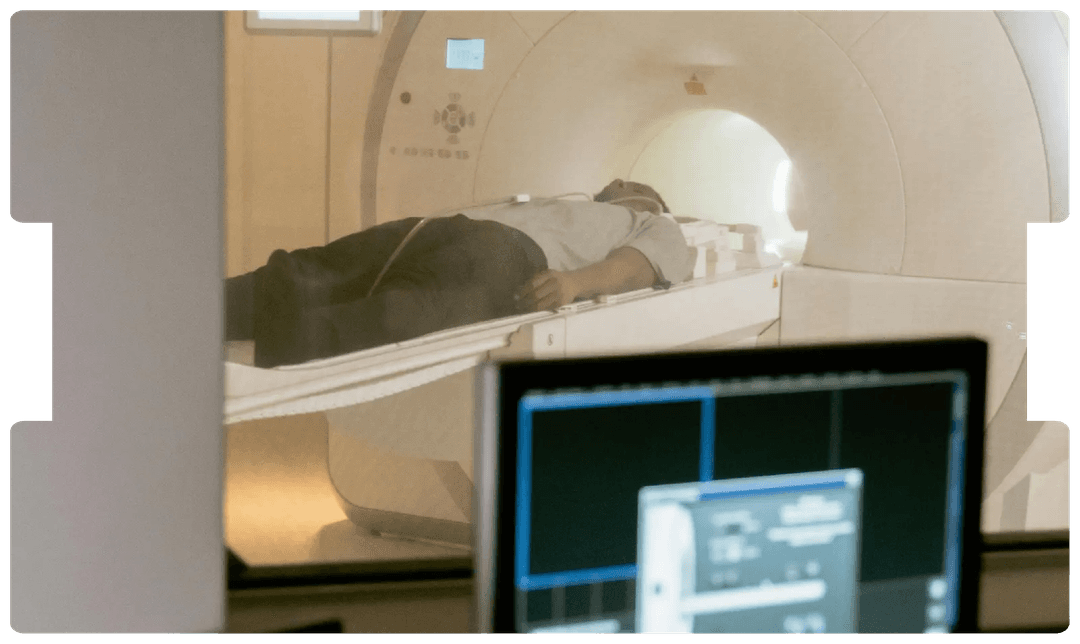
Gain expert insight into assessing post-traumatic seizure risk in head injury claims - vital for accurate prognosis, liability, and compensation in clinical negligence cases.
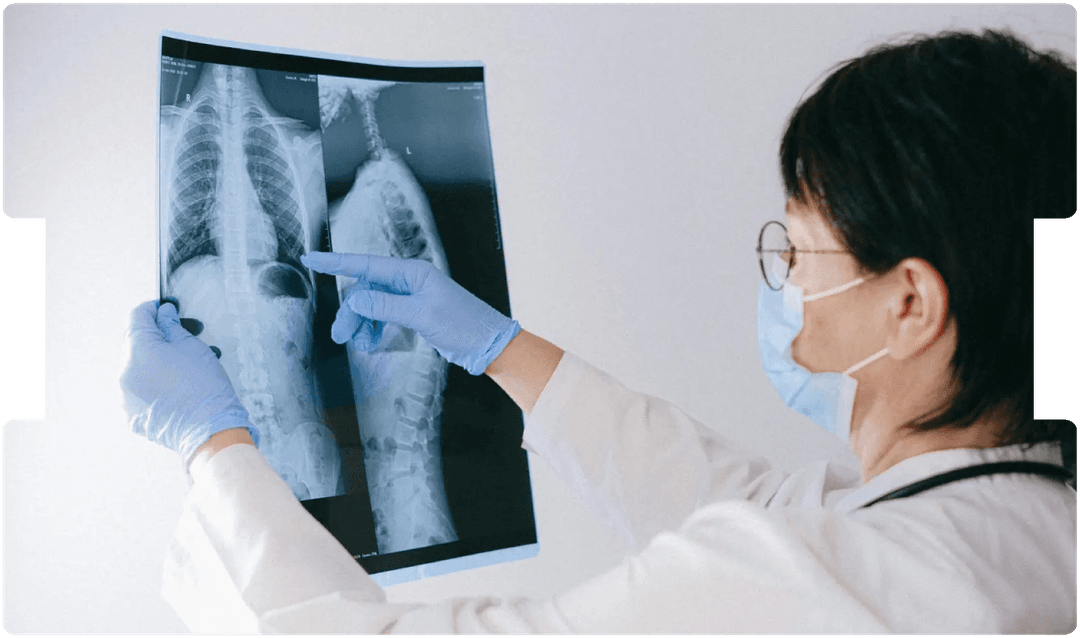
Gain insights into consent, causation, and breach in complex paediatric spinal claims. A must-read case study for clinical negligence solicitors navigating high-risk surgical decisions.

Unlock vital psychiatric insights into depression’s hidden signs and treatment - empowering clinical negligence practitioners to better assess claims and support clients’ mental health needs.
Find out why 70+ legal firms partner with INNEG.
Request a callback, or contact us.
INNEG respects your privacy. Any information you share with us will be used only to respond to your query.
Phone
+44 161 870 2461Thank you for your request!
We will get back to you as soon as possible.