Medicolegal Aspects of Virtual Consultations
By Mr Aprajay Golash, Consultant Neurosurgeon
Posted 17 June 2020
5 Minute Read

Virtual consultations are here to stay - but are you managing the medico-legal risks? Discover how to keep standards high, protect your practice, and ensure patient safety in remote settings.
By Aprajay Golash, Consultant Neurosurgeon
In response to the contagious nature of the COVID-19 pandemic, we have seen an unprecedented uptake of virtual consultations in both primary and secondary care. In a society increasingly governed by social distancing requirements, remote consultations allow us to limit face-to-face interactions and footfall in healthcare settings. However, where one is not able to perform a physical examination on a patient, medico-legal concerns may arise. By paying attention to the various aspects of the consultation episode, virtual consultations can be very effective, efficient and safe. The following aspects of virtual consultations are important for medicolegal implications.
Consent
Obtaining consent is an integral part of any medical treatment or consultation. In many situations, consent for a consultation is implied when the patient attends for an appointment. However with remote consultations, there should be a clear understanding between clinician and patient that the new way of communicating, whether it is telephone or video, may limit certain aspects of the consultation. Particular thought should be given when remotely assessing a child, reviewing new patients with an unknown diagnosis and communicating with patients who lack capacity. With this explained, discussed and understood, formal consent for a remote consultation should be obtained and documented before proceeding.
Professional Standards
It goes without saying; professional standards need to be maintained with all consultations regardless of modality. It is important for a medical practitioner to assess any possible risks that may arise by not being able to physically see or assess the patient. During a remote consultation, if it is felt that an appropriate assessment and management decision cannot be made, it is prudent to recognise and adapt accordingly. A safe assessment remains upmost priority, and where required alternative arrangements to remote consultations should be made. This may include a face-to-face consultation, remote consultation involving next-of-kin and/or consultations based in the community. Missing an important aspect of medical history or clinical findings may not be justified just because of consultation took place on a virtual platform.
This is especially crucial in complex cases—like spinal injuries—where a hands-on examination is irreplaceable. Explore more in Why You Can’t Replace a Face-2-Face Examination when it comes to Spinal Injury Claims.
Preparation
It is important to ensure that all the relevant information is available prior to a virtual consultation. As with face-to-face reviews, knowledge of previous medical history, referral letters and investigation results help to best prepare for remote consultations.
Documentation
Keeping records of virtual reviews is similar to that of in-person clinic appointments prior COVID pandemic; however particular attention should be given to the unique aspects of remote consultations. As mentioned earlier, it is important to document patient consent for a remote review and the nature of consultation itself (e.g. telephone or video). Any clinical details or remote examination should be described and recorded appropriately. Lastly, the agreed outcome should also be clearly stated. It would be good practice to address the letter to the patient, or copy them into communication with GP. Clear communication with the patient can be empowering and facilitates a holistic approach.
Information Governance
Information Governance is an important aspect of virtual consultations. This should be clearly assessed and agreed with the Information Governance structure of the organisation where one works. Encryption technology, a secure environment and ease of use for the patient are some important aspects which need to be considered. One needs to be careful if leaving messages on answer machine.
Telehealth in medicine is not a new phenomenon. Remote consultations via telephone and video have been used for a long time, especially in General Practice, however the current COVID-19 pandemic has provided an inadvertent opportunity to revolutionise healthcare provision. Medical indemnity organisations and professional medical bodies are working in collaboration to provide their knowledge and support where required. Although virtual consultations have received encouraging feedback, due diligence in use of this technology is required.
About the Author:
Mr Aprajay Golash is a Consultant Neurosurgeon at Lancashire Teaching Hospitals NHS Foundation Trust since 2000 and is an Honorary Lecturer at the University of Central Lancashire.
Mr Golash undertakes medico legal reports for both Personal Injury and Clinical Negligence claims. To instruct Mr Golash, email your request to instruct@inneg.co.uk
Tags:
- Remote Work
- Home Office Setup
- Solicitor Productivity
- Work-Life Balance
- Record Digitisation
Expert Disciplines:
- Neurosurgery
About The Author

Mr Aprajay Golash
Consultant Neurosurgeon
Mr Aprajay Golash is a Consultant Neurosurgeon and Expert Witness who undertakes around 15–20 medico-legal reports per year, acting for both Claimants and Defendants. He has been a Consultant Neurosurgeon at Lancashire Teaching Hospitals NHS Foundation Trust since 2000 and has held senior national roles in spinal surgery and neurosurgery.
His specialist expertise includes spinal surgery, metastatic spinal cord compression, cervical myelopathy, hydrocephalus, brain tumours and paediatric neurosurgery, making him particularly suited to complex neurosurgical and spinal injury instructions.
From the Blog
Related Articles

Struggling to find the right expert? This guide shares practical tips and insider know-how to help clinical negligence solicitors secure reliable medico-legal support - faster and with less stress.
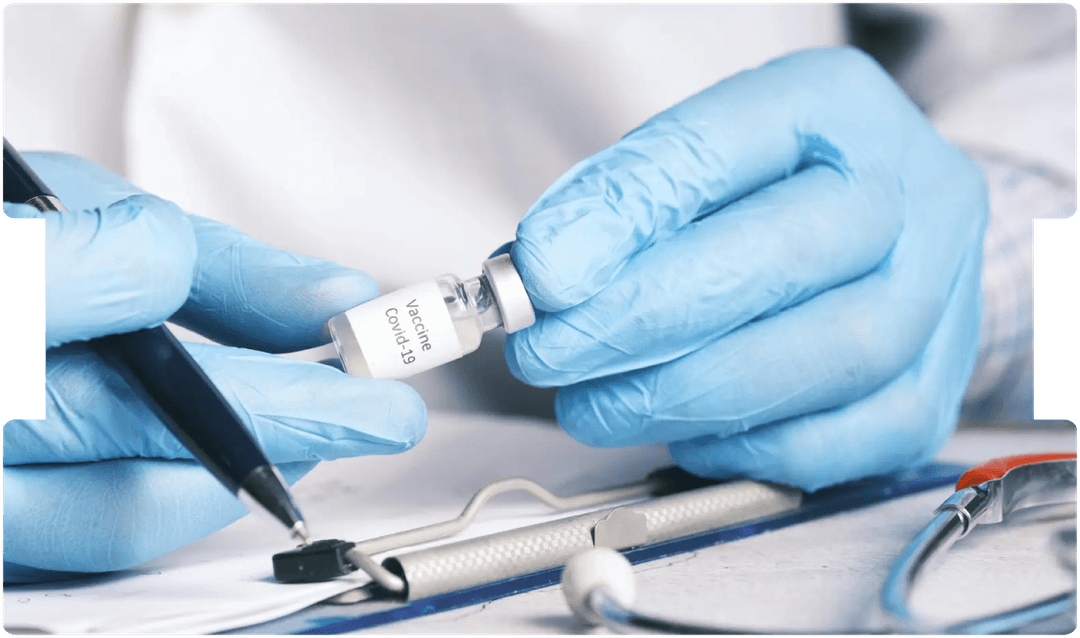
Explore key legal risks around consent, documentation, and vaccine errors - vital insight for clinical negligence claims arising from COVID-19 vaccine administration.
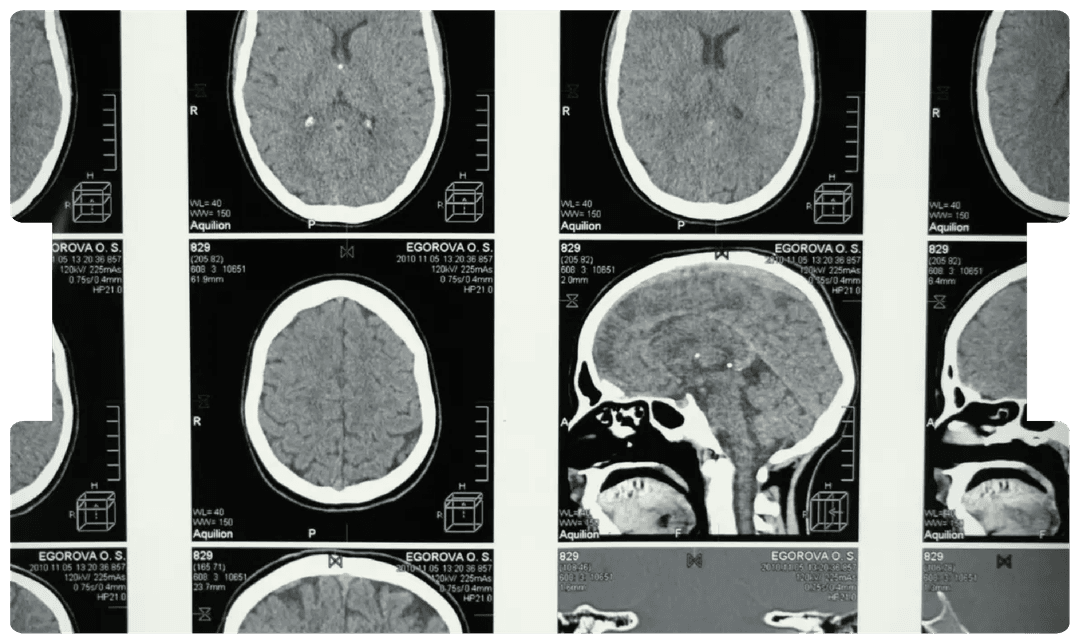
Sharpen your approach to complex claims involving functional symptoms. This expert-led guide helps distinguish genuine neurological disorder from malingering - crucial in high-stakes cases.
Find out why 70+ legal firms partner with INNEG.
Request a callback, or contact us.
INNEG respects your privacy. Any information you share with us will be used only to respond to your query.
Phone
+44 161 870 2461Thank you for your request!
We will get back to you as soon as possible.