Nursing Failures in Fall-Related Injury Claims: Medico-Legal Insights
By Mr Glenn Smith, Advanced Nurse Practitioner
Posted 14 January 2026
6 Minute Read
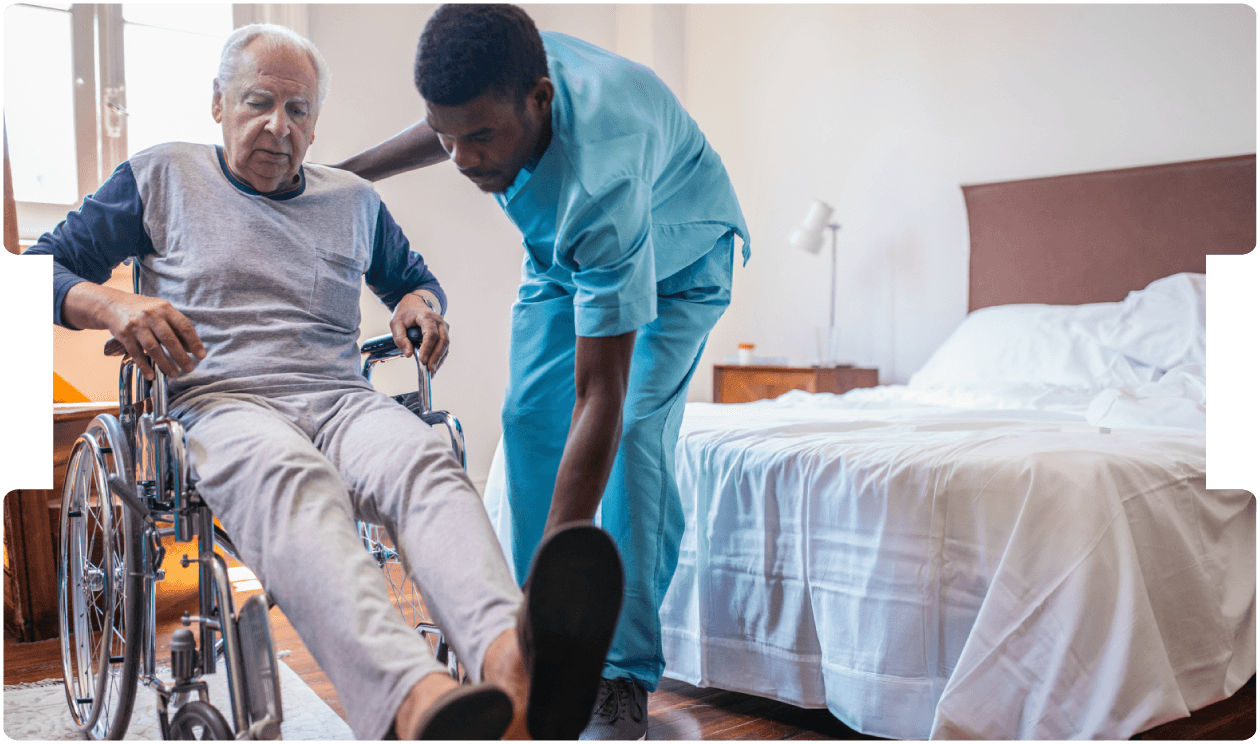
Falls are one of the most common patient safety incidents across hospitals, care homes, and community settings, yet they remain one of the most contested areas in clinical negligence and personal injury litigation.
Watch the full webinar with Mr Glenn Smith here >
While not every fall is preventable, many high-value claims arise where early warning signs were missed, risk assessments were poorly executed, or care planning failed to keep pace with a patient’s changing condition. In these cases, nursing evidence is often central to determining breach, causation, and ultimately liability.
To explore these issues in depth, INNEG invited Mr Glenn Smith, Advanced Nurse Practitioner and experienced medico-legal expert, to deliver a focused webinar examining nursing failures in fall-related injury claims. Drawing on over 25 years of frontline clinical experience, patient safety leadership, and expert witness work, Mr Smith examined how falls are assessed in practice, where care commonly falls short, and how these failures are scrutinised in litigation.
Assessing Falls Risk: Where Clinical Practice Commonly Breaks Down
A recurring theme in fall-related claims is the failure to adequately identify and reassess risk. As Mr Smith explained, organisations are expected to have systems in place to recognise when a patient is at risk of falling, but identification alone is not enough. Too often, risk assessments become static tick-box exercises rather than dynamic tools that reflect a patient’s evolving condition.
Falls risk is influenced by a wide range of factors, including age, previous falls, cognitive impairment, infection, medication changes, postural hypotension, neurological disturbance, and reduced muscle strength. Where a patient presents following a fall, or with falls forming part of their admission history, there is a reasonable expectation that clinicians will take a broad diagnostic approach, ruling out reversible or contributory causes rather than accepting the fall as inevitable.
From a medico-legal perspective, solicitors should be alert to whether this “diagnostic net” was wide enough. A failure to review medication, investigate infection, assess cardiovascular or neurological causes, or document lying and standing blood pressures may indicate that the risk was not properly understood. Where risk is underestimated, mitigation measures are often inadequate, setting the stage for further falls and avoidable injury.
Care Planning, Supervision, and the Balance Between Safety and Autonomy
Even where falls risk is recognised, claims frequently arise from how that risk is managed in practice. Mr Smith emphasised that care planning should be capable of withstanding rational scrutiny. A care plan should clearly explain how risks are being mitigated, why certain measures are in place, and how those measures align with the patient’s needs, capacity, and goals of care.
One of the most complex areas in falls prevention is balancing safety with independence. Excessively restrictive measures may amount to a deprivation of liberty, while insufficient supervision may expose patients to foreseeable harm. In rehabilitation settings in particular, some level of risk is inevitable, but that risk must be consciously accepted, regularly reviewed, and clearly documented.
Claims often arise where care plans fail to reflect known patterns of behaviour or deterioration. Mr Smith described cases in which agitation, delirium, or sundowning was repeatedly noted in nursing records, yet observation levels or supervision arrangements were not adjusted accordingly. When falls occur shortly after such changes are documented but not acted upon, defendants may struggle to show that reasonable steps were taken to mitigate risk.
Documentation, Standards of Care, and Evidential Weaknesses
In fall-related litigation, documentation is frequently decisive. Nursing notes are expected to do more than describe events; they must evidence clinical reasoning, reassessment, and responsive care. Courts are not simply interested in whether a falls policy existed, but whether it was meaningfully applied to the individual patient.
Mr Smith highlighted the distinction between narrative entries that record deterioration and the absence of any corresponding response. Where records note increased confusion, reduced mobility, low blood pressure, or agitation without triggering a reassessment of falls risk or supervision, this disconnect can significantly weaken a defence.
Capacity assessment is another critical area. Patients with capacity are entitled to take risks, but organisations must be able to demonstrate that capacity was properly assessed, that risks were clearly explained, and that refusal of assistance was an informed decision. Where this process is poorly documented or absent altogether, arguments based on patient autonomy are unlikely to succeed.
From an evidential standpoint, expert nursing evidence is often assessed by reference to what was “reasonably practicable” rather than what might have been ideal. However, where documentation fails to show consistent application of policy, timely reassessment, or logical care planning, experts may conclude that the standard of care fell below acceptable levels.
Linking Care Failures to Injury Outcomes
Causation in falls claims is rarely straightforward. Not all falls are avoidable, and the mere occurrence of a fall does not establish negligence. However, where failures in assessment, supervision, or post-fall management can be shown to have materially increased the risk of injury, causation arguments become stronger.
Mr Smith discussed patterns seen in claims involving fractures, head injuries, and fatalities, where earlier intervention could reasonably have altered the outcome. These include failures to escalate observation following deterioration, inappropriate use of bed rails leading to falls from height, or inadequate post-fall assessment resulting in delayed diagnosis of serious injury.
In many cases, the issue is not whether all risk could have been eliminated, but whether reasonable opportunities to reduce harm were missed. When falls are followed by a lack of review, unchanged care plans, or repetition of the same errors, defendants may struggle to argue that the injury was unavoidable.
Key Takeaways for Solicitors
For solicitors handling fall-related injury claims, the central question is rarely whether a fall occurred, but whether nursing care demonstrated ongoing, rational, and responsive risk management. Scrutinising risk assessments, care plans, capacity documentation, and post-fall responses is often key to identifying breach and causation. Patterns of deterioration without escalation, or documentation that records concern without action, should prompt closer examination. Ultimately, the strength of many falls claims lies in the detail of the nursing evidence and whether it shows that all reasonably practicable steps were taken to keep the patient safe.
Tags:
- Nurse Practitioner
- Nursing
- Falls
- Care
Expert Disciplines:
- Nursing
About The Author

Mr Glenn Smith
Advanced Nurse Practitioner
Mr Glenn Smith is an Advanced Nurse Practitioner and medico-legal expert witness with over 25 years of clinical experience across primary and secondary care. He is Clinical Director of Lighthouse Medical and has specialist expertise in patient falls, tissue viability, dementia, mental health, and other areas where substandard nursing care can lead to significant and avoidable harm.
From the Blog
Related Articles

Save time, cut costs, and reduce risk by using specialist expert screening from the start - giving clinical negligence solicitors accurate case insights that generalist screenings can’t match.

Understand how courts view guideline compliance versus clinical judgment, helping solicitors assess breaches of duty and build stronger clinical negligence cases with legal clarity.
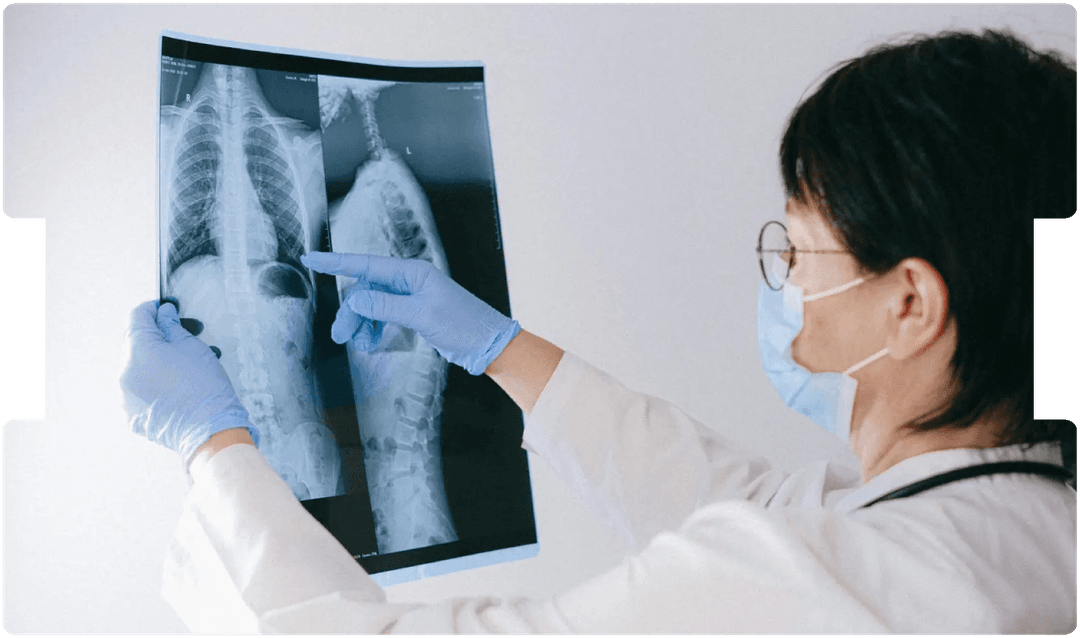
Gain insights into consent, causation, and breach in complex paediatric spinal claims. A must-read case study for clinical negligence solicitors navigating high-risk surgical decisions.
Find out why 70+ legal firms partner with INNEG.
Request a callback, or contact us.
INNEG respects your privacy. Any information you share with us will be used only to respond to your query.
Phone
+44 161 870 2461Thank you for your request!
We will get back to you as soon as possible.