Personality Disorder - A Brief Introduction
By Dr Chess Denman, Consultant Psychiatrist
Posted 27 May 2021
3 Minute Read

Gain a concise overview of personality disorders, their pervasive impact on individuals' lives, and the importance of understanding these conditions in medico-legal contexts.
By Dr. Francesca Denman, Consultant Psychiatrist
Patients with personality disorder suffer from a range of difficulties which are pervasive in all areas of their life and which first show themselves in adolescence or young adulthood - difficulties commonly assessed by psychology expert witnesses or psychiatry expert witnesses in medico-legal contexts. They are surprisingly common with a prevalence of 5-10% in the population and the prevalence in samples of patients attending hospital for physical or mental health conditions is much higher.
There are complicated and heated debates over the classification and diagnosis of individual personality disorders however one useful grouping is into three clusters. Patients in cluster A suffer from features that may have some relation to psychotic disorders – they may be odd, eccentric, reclusive or suspicious. Patients in cluster B have instability of mood and impulsive behaviour with self-harming or assaultive behaviours as well as difficulties in forming stable trusting relationships. Finally patients in cluster C are principally fearful or anxious with dependent or avoidant features.
All personality disorders are frequently associated with other psychiatric diagnoses such as depression, post - traumatic stress disorder (PTSD) and anxiety disorders. Having a personality disorder increases the risk of having another mental illness and makes that condition much harder to treat. In addition patients with personality disorder who have a physical health problem do much worse (and are more expensive to treat) from a physical health point of view. Further personality disorder is associated with significantly reduced life chances and increased mortality from suicide and other causes of death - risks that are frequently analysed in reports prepared by forensic psychology expert witnesses in personal injury and clinical negligence claims.
When handling personal injury claims, it's important to consider co-existing conditions such as depression, which—like personality disorders—can significantly affect an individual’s emotional resilience and functional capacity. We explored this further in our blog on depression in personal injury cases.
Contrary to popular belief some personality disorders respond to psychological treatment and those which are difficult to treat definitively but can be managed so as to minimise their impact and the suffering they cause. So, it is important to identify the presence of a personality disorder, identify its risks to the patient and initiate effective treatment. The most common error in this area is a diagnosis made on the basis of the current presentation of the patient without any enquiry that establishes the pervasive and historic nature of the condition. The diagnosis is a serious one but also one that needs to be shared with the patient tactfully and so it should not be made without a full diagnostic assessment that includes time to share the outcome with the patient and their caregivers sensitively.
It is extremely tempting given the pervasive nature of the emotional distress caused by personality disorders to prescribe psychotropic medication and some patients end up taking a distressing number of psychoactive drugs simultaneously including antidepressants, hypnotics, antipsychotics and mood stabilisers. In patients who also have chronic pain opiates, benzodiazepines and GABAergic agents can also be being used. While the targeted use of medication in patients with personality disorder and an intercurrent psychiatric or medical condition can be helpful long term pharmacological treatment and certainly long term polypharmacy is generally unhelpful. In particular drugs that reduce levels of anxiety (including street drugs or alcohol), while hugely tempting because of the severe nature of the distress patients experience, rapidly induce tolerance and then dependence leaving the patient worse off than before.
Instead treatment should rely on simple principles. First a calm and tolerant but firm care giving team should stick with a patient for the long term playing in specialists for spells of care as needed. Second there should be a focus on both patient and caregiver working together to manage risk where the patient’s ability to do this may fluctuate but should never be presumed to be absent. Third treatments should have clear cut and practical aims with obvious benefits to the patient and those around them (examples would include a talking treatment aimed at helping someone with anxiety get out of the house to go shopping on occasion). The outcome of these treatments and the overall management plan should be evaluated at sensible intervals and adjusted as need be. These principles are well set out for borderline and antisocial personality disorder in NICE guidance.
Finally the value of signposting patients and their relatives to helpful groups of patients with similar conditions and third sector organisations is very great in this condition and can often be the most helpful intervention.
Given that many personality disorders have their roots in early life experiences or trauma, understanding the deeper psychological implications of traumatic events is essential. Our article on Understanding Trauma Beyond the Physical delves into how trauma influences both mind and body in personal injury contexts.
About the Author:
Cases involving personality disorders often require expert psychiatric assessment to ensure a fair and informed legal process. If you’re unsure where to begin, our guide on How to Source High Calibre Expert Witnesses outlines key steps to finding the right support for complex cases.
Dr. Chess Denman, MBBS FRCPsych is a Consultant Psychiatrist and between 2012 - 2021 was the Medical Director of Cambridge and Peterborough Foundation Trust. Dr Denman is soon to be starting a new role within Old Age Psychiatry.
Dr Denman has significant experience in medico-legal report writing. She frequently writes medical reports concentrating on medical negligence cases but with a smaller case load of accident cases and occupational health cases. She has acted in a large number (800) of civil cases and a smaller number of criminal cases (5).
Whilst Dr Denman can provide medico-legal reports on all areas of psychiatry she has particular interest in medical negligence, post-traumatic stress disorder, personality disorder and psychosexual disorders and old age psychiatry. Dr Denman can be contacted for all medico-legal work and to request her CV at chessdenman@inneg.co.uk
Tags:
- Psychiatrist Expert Witness
- Psychological Trauma
- Psychiatric Input
- Mental Health in PI
- Suicide Risk Assessment
Expert Disciplines:
- Psychiatry
About The Author

Dr Chess Denman
Consultant Psychiatrist
Dr Chess Denman, MBBS FRCPsych, is a Consultant Psychiatrist with extensive medico-legal experience. From 2012 to 2021, she was Medical Director at Cambridge and Peterborough Foundation Trust and will soon begin a new role in Old Age Psychiatry. She has acted in over 800 civil cases and a handful of criminal cases, focusing on medical negligence, personality disorders, PTSD, psychosexual disorders, and occupational health. Dr Denman can provide expert psychiatric reports across all areas of psychiatry.
From the Blog
Related Articles

Understand autism’s unique impact on trauma and pain to improve case assessment, support tailored evidence, and strengthen clinical negligence claims involving neurodivergent clients.
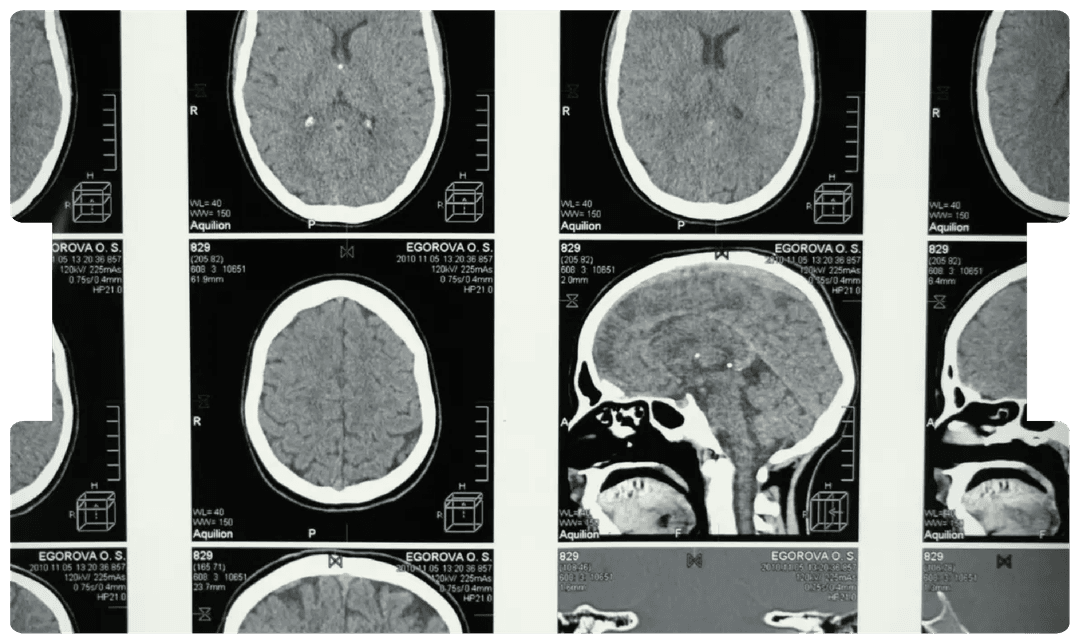
Sharpen your approach to complex claims involving functional symptoms. This expert-led guide helps distinguish genuine neurological disorder from malingering - crucial in high-stakes cases.

Clinical negligence practitioners: gain clear guidance on identifying and instructing psychiatric experts for trauma-related cases, ensuring thorough assessment and stronger claims with INNEG’s trusted resources.
Find out why 70+ legal firms partner with INNEG.
Request a callback, or contact us.
INNEG respects your privacy. Any information you share with us will be used only to respond to your query.
Phone
+44 161 870 2461Thank you for your request!
We will get back to you as soon as possible.