Pressure Ulcers and Litigation: Lessons from the Frontline of Clinical Negligence
By Glenn Smith, Advanced Nurse Practitioner, Tissue Viability Specialist
Posted 08 July 2025
8 Minute Read

By Glenn Smith, Advanced Nurse Practitioner and Expert Witness
Pressure ulcers - also known as pressure injuries or bedsores - are widely recognised as a barometer of care quality in health and social care settings. When they occur, especially in high-risk patients, they often indicate missed opportunities, poor planning, or system-level failings. From my experience as an Advanced Nurse Practitioner and specialist in tissue viability, I've reviewed numerous cases where pressure ulcers were either avoidable or poorly managed, and where those failings led to litigation - or contributed to a patient’s death.
This article shares insight from those cases. It’s written for solicitors who want to better understand where and why these claims arise, what constitutes a breach of duty, and what good versus poor care typically looks like. It also highlights the kinds of systemic issues that can surface in these cases - and what to watch for when assessing liability.
Recognising What’s Preventable
At the heart of most pressure ulcer claims is a simple clinical question: Was this avoidable? In well-run settings, pressure injuries can be reduced dramatically or prevented altogether - even in frail or palliative patients.
In a recent screening report I reviewed, the deceased had been designated end-of-life, and this seemed to colour the entire care team’s approach. Assumptions were made that skin breakdown was inevitable - yet the family hadn’t been involved in meaningful discussions about the risks, and no clear decisions had been documented around ceilings of care. The patient continued to sit in a desk chair for prolonged periods with no pressure relief, and her mattress pump was reportedly switched off - not once was this flagged or escalated. No safeguarding discussions were recorded. The pressure ulcer worsened to a category 4 wound, visibly infected and malodorous before her death.
The takeaway: end-of-life status doesn’t justify passive care. Preventative measures remain essential - and failing to deliver them can amount to negligence.
The Slippery Slope: From Inadequate Assessment to Systemic Failure
Most claims involving pressure ulcers don’t stem from a single decision or event. Rather, they are the cumulative result of missed assessments, failure to escalate, and inadequate documentation - all of which are central themes in the cases I’ve reviewed.
In one breach of duty case involving a care home resident, the individual was known to be at very high risk, had a history of pressure ulcers, and could not reposition himself. Yet the documentation showed inconsistent repositioning, including being left sitting for over nine hours. Even after a Grade 2 pressure ulcer was identified, escalation was delayed, and the wound later progressed to a necrotic Grade 4 sore. Despite the deterioration, repositioning routines were not adjusted until days later, and records of care planning and wound assessments were either absent or inadequate.
These are not small oversights - they represent fundamental breaches of standard care, particularly given the widespread availability of guidelines such as NICE CG179 and the “SSKIN” bundle, which remains best practice in most NHS and private care environments.
When Clinical Care and Legal Expectations Diverge
As an expert witness, I’m often asked to comment not just on what went wrong, but whether the care provided departed from accepted standards - and whether that departure caused harm.
In one of my condition and prognosis reports, I was asked to assess the healing trajectory of a heel ulcer that had become unstageable. This wasn’t just a clinical analysis - the instructing solicitor needed to understand whether the wound's prolonged presence represented unnecessary suffering that could be legally attributed to a delay in treatment. Drawing on peer-reviewed studies, I explained that hospitalised patients with similar wounds typically healed within 23 days - but in this case, the healing period extended significantly longer due to poor management, peripheral oedema, diabetes, and recurrent cellulitis. I concluded the additional 79 days of wound presence represented a prolonged period of avoidable harm, directly linked to the failings in care.
That kind of clarity - linking breach to causation and avoidable suffering - is essential in the litigation process.
Poor Documentation = Poor Defence
In nearly every case I’ve reviewed, poor record-keeping is both a red flag and a recurring cause of liability. Solicitors and claims handlers should be alert to:
- Absence of repositioning charts.
- Missing or vague wound assessments.
- No photographic records or unlabelled images.
- Pressure-relieving devices issued with no recorded settings or checks.
- No documented rationale when care deviates from guidelines.
In one claim I reported on recently, I identified numerous gaps: patients left on inappropriate mattresses, repositioning records starting after wounds had already formed, and missing referrals to tissue viability services. Notably, an Advanced Nurse Practitioner failed to document vital signs despite stating the patient appeared “well.” The wound was described as necrotic and extensive - yet no escalation to secondary care was made at the time, and hospital admission was only arranged when the patient’s condition further deteriorated.
In Court, the absence of documentation is often treated as if the care didn’t happen at all. And when it comes to pressure ulcers - where time-sensitive intervention is key - this is especially critical.
The Missed Opportunity of Capacity and Consent
Another theme that emerges repeatedly is the mishandling of mental capacity and informed decision-making. Pressure ulcer prevention often requires the cooperation of the patient and their family, particularly in community settings. But when those individuals lack capacity or are receiving conflicting messages, the care team must take responsibility.
In one of my screening reports, the deceased was deemed not to understand pressure ulcer risks - yet care staff accepted her refusal to be repositioned or examined, with no mental capacity assessment and no best interest decision documented. The family were asked to assist with repositioning, but there’s no evidence they were ever informed of the required frequency (every 2 to 4 hours), or what was practically involved in delivering safe care. In my opinion, this was a failure not just of communication, but of safeguarding and duty of care.
Solicitors should look carefully at whether patients truly understood the risks they were exposed to - and whether clinicians documented the consequences of refusing care clearly. If not, the argument that a patient “chose” their outcomes becomes legally shaky.
Pressure Ulcers as a Proxy for Neglect
In many cases, pressure ulcers are not the problem - they are a symptom of deeper issues. Repeatedly, they flag breakdowns in:
- Communication between multidisciplinary teams.
- Continuity of care during transitions (e.g. hospital to home).
- Recognition of deterioration in complex patients.
- Escalation procedures when a care plan is clearly failing.
They are, in effect, the “canary in the coal mine” - a physical sign that tells us the wider care system isn’t functioning as it should.
In my reports, I regularly identify points where early intervention could have prevented escalation. A change in wound size should prompt reappraisal of care. A new ulcer should trigger immediate reassessment. When this doesn’t happen, the clinical system is reactive - not proactive - and litigation risk rises.
Final Thoughts
For solicitors working on pressure ulcer claims, understanding the clinical and systemic context is key. These are rarely cases of one-off mistakes. They often reflect sustained, multi-point failures in care delivery, assessment, documentation, and professional judgment.
As an expert witness, my role is to identify not just what happened - but what should have happened, and how those gaps contributed to patient harm. I do this with a clear grounding in evidence-based practice, extensive frontline experience, and a focus on what matters in the eyes of the court.
About the Author
Glenn Smith is an Advanced Nurse Practitioner, Tissue Viability Specialist, and experienced Expert Witness with over 20 years of clinical experience across primary and secondary care. He has acted in complex clinical negligence cases involving pressure ulcers, wound care, and patient deterioration, for both claimant and defendant solicitors.
Tags:
- Pressure Injuries
- Nurse Practitioner
- Ulcer
- Bedsores
- Tissue Viability
- Health and Social Care
Expert Disciplines:
- General Practice (GP)
About The Author
Glenn Smith
Advanced Nurse Practitioner, Tissue Viability Specialist
Glenn Smith is an Advanced Nurse Practitioner, Tissue Viability Specialist, and experienced Expert Witness with over 20 years of clinical experience across primary and secondary care. He has acted in complex clinical negligence cases involving pressure ulcers, wound care, and patient deterioration, for both claimant and defendant solicitors.
From the Blog
Related Articles

Save time, cut costs, and reduce risk by using specialist expert screening from the start - giving clinical negligence solicitors accurate case insights that generalist screenings can’t match.
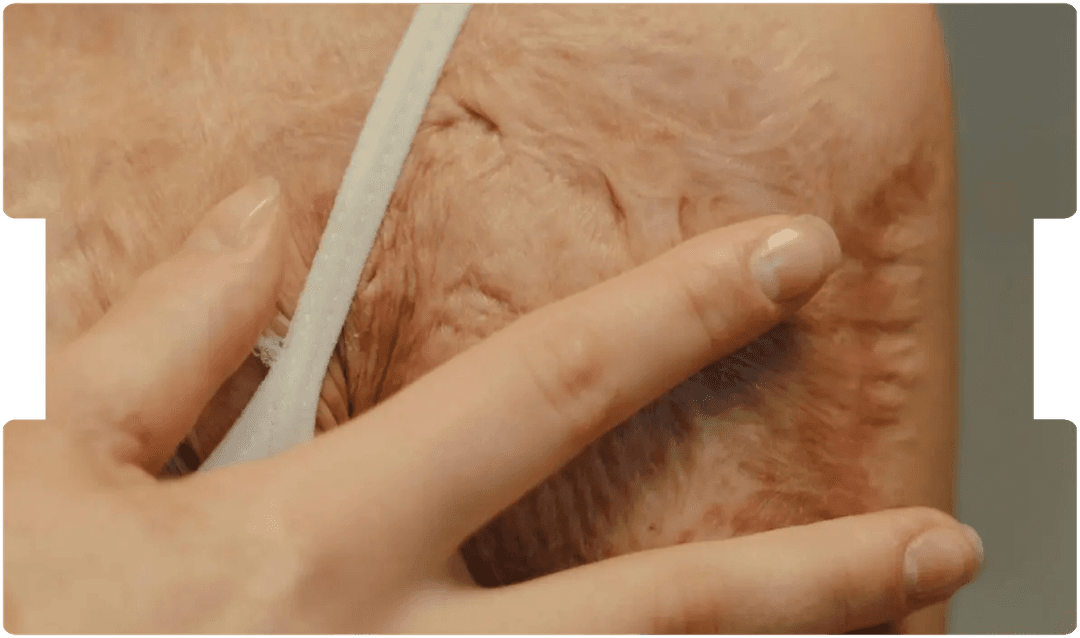
Discover key insights on scar management and emerging treatments to strengthen clinical negligence claims involving scarring, ensuring expert advice and timely interventions for your clients.

Gain vital insights into missed mesenteric ischaemia cases, helping solicitors identify breaches, strengthen claims, and understand diagnostic pitfalls in complex clinical negligence scenarios.
Find out why 70+ legal firms partner with INNEG.
Request a callback, or contact us.
INNEG respects your privacy. Any information you share with us will be used only to respond to your query.
Phone
+44 161 870 2461Thank you for your request!
We will get back to you as soon as possible.