Revealing Medical Negligence: A Legal Perspective on Brain Surgery, MDTs and the Montgomery Dilemma
By Professor Charles Davis, Consultant Neurosurgeon & Honorary Clinical Professor of Neurosurgery & Oncology
Posted 20 December 2023
5 Minute Read
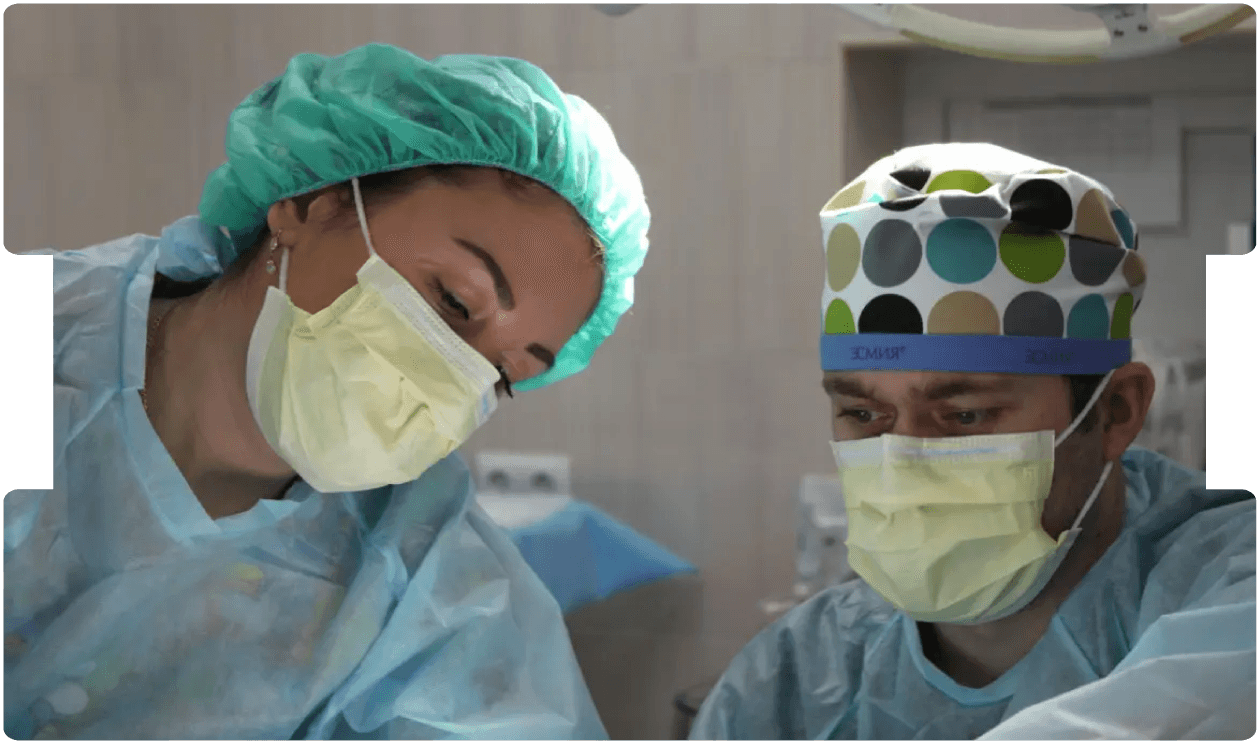
Discover why MDTs aren’t a fail-safe in clinical negligence cases and learn key tips to spot gaps in patient care - essential insights to strengthen your claims and avoid costly surprises.
By Professor Charles H G Davis, Consultant Neurosurgeon
Medical Litigation Insights
The bedrock of medical civil litigation, particularly clinical negligence, are the unaltered contemporaneous notes. The Defendant will supply these notes but of course, if a patient has fallen out of bed and suffers an injury in a hospital, he will not be supplied with the ten clinical incident forms where this has happened in the previous week on the same ward!
After reviewing 101 clinical negligence cases of in-patient care in neurosurgery (of which just under half were neurosurgery negligence cases) there was only one private patient and even with this claimant, they were within an NHS hospital.
A very simple audit of the quality of these notes was to look for 3 things.
A neurological examination on admission
A neurological examination on discharge and
A meaningful operation note
Shockingly only 2 out of 101 admissions contained this basic information and only one of these (written by a young newly appointed consultant) was excellent.
The appearance of appalling notes coincides with the digitisation process. There is no excuse whatsoever for not keeping notes for medical reasons, i.e. patient care, audit and research.
From a medico-legal perspective, this situation makes it difficult to defend or claim as the Court demands reasonable facts on which to make a judgement. If the facts are not available then neurosurgery expert witnesses have to make what is essentially a guess on ‘the balance of probabilities’, which is extremely difficult.
Decision-making within the National Health Service has much changed with the secrecy that now exists. I first noticed this about twenty years ago when the Chief Executive decided that he would have a meeting with a select few on a Wednesday morning and no minutes were kept. All important decisions were made at this meeting and at a stroke the healthcare professional “power” representation disappeared and is partly responsible for the toxic state that the NHS finds itself in. The latest “Good Medical Practice” from the GMC may herald a change in doctors ‘power’.
MDTs: Efficiency vs. Discontent
Over the last few years multidisciplinary team (MDT) meetings have become the tick box vogue across the NHS. Consultants who are fully trained have to meet specialists from other disciplines to make decisions. However when large numbers of, for instance, surgeons of the same type meet every week – it is, in my opinion, hard to justify 10% of a consultant surgeon’s time in such meetings.
In cancer, nothing can be done without the first MDT meeting and in my speciality over half the cases we see are now metastases in the brain. This means that after the initial Neuro-Oncology MDT referral to the appropriate cancer MDT, further investigations and referral back to the Neuro-Oncology MDT may take more than 4 weeks during which time some patients deteriorate and may never have been seen by any consultant. The options for treatment will be decided and incredibly surprisingly there always seems to be agreement.
This is not real medicine – I don’t always agree with my surgical colleagues!
Delays in treatment decisions, such as those caused by prolonged MDT processes, can be critical - as explored in our blog on ‘Litigating Delayed Diagnosis of Lung Cancer.'
The Montgomery Ruling
The Court ruling highlights the imperative for medical interventions to be rooted in a shared decision-making process. It underscores the importance of patients being fully informed about their options and receiving support from healthcare professionals - an area where neuropsychology expert witnesses are often instructed to assess cognition, understanding and decision-making capacity - to make informed choices. Delve into the historical context of the pivotal legal decision in the Montgomery vs NHS Lanarkshire case.
MDTs: Patient Dilemma
The MDT fashion comes slap up against Montgomery. Montgomery states quite clearly that the reasonable options for treatment must be discussed with the patient; but if that patient has not been party to lengthy MDT discussions he/she will find themselves up against the opinion of a very large number of doctors, which is didactic and leaves no room for manoeuvre.
It is a brave patient who will question and ask for other options. However, MDTs as a fashion are assumed to give protection, particularly legal and there is a widespread assumption that MDTs are always correct.
In certain areas such as cancer, it has been shown that formalised discussion , will give a reasonable and scientifically proven outcome. However, the numbers in each speciality are not specified and whether it is really necessary for patients to travel around MDTs, does waste a massive amount of consultant time. In my own specialty this adds up to about 5 consultants’ time in each hospital with a Neurosurgical Unit.
MDTs: Flawed Safeguards
In the negligence cases that I have looked at, MDTs do not stop bad decisions and 2 of the worst cases where I have provided opinion, involved MDTs where the patient was neither seen before nor after meetings and no proper history or examination was undertaken. This led to a rubberstamping of a completely wrong diagnosis and a detrimental outcome for the patient.
In the private sector, patients are unlikely to wait weeks before treatment starts and reasonable MDTs between reasonable numbers of specialties involving the patient should really not take very long.
Challenging perceived wisdom particularly within an enormous monopoly health supplier is difficult but tick-box medicine is no panacea.
Conclusion
The takeaway from my article is:
A solicitor needs to be aware that MDTs do not stop bad decisions.
If the claimant has been through an MDT system, check to ensure that detailed MDT notes relate to your client's case. These notes should include the internal round-table MDT discussion regarding the clinical matter and the suggested treatment options that were discussed. The claimant should then have been informed of all viable treatment options that were discussed.
As a separate and connected point, any clinical investigation forms should also be requested (as they are sometimes stored separately from the patient notes) in addition to copies of any internal hospital investigation reports to help ensure that a full picture of the claim can be assessed.
Accurate and timely solicitor feedback can make all the difference when navigating complex MDT documentation—learn more in ‘The Crucial Role of Solicitor Feedback.’
About the Author
Professor Charles Davis is a Consultant Neurosurgeon, an Honorary Clinical Professor of Neurosurgery & Oncology and a past President of the British Neuro-Oncology Society between 2009-2011.
Within his clinical career, Prof Davis developed the UK's first Neuro-Oncology Service 1987, the first Meningioma Clinic in 1988 and the first Neuro-Orthopaedic service in 1989. He has written over 100 published articles across his area of expertise.
With regards to Medico-Legal work, Prof Davis has 30 years’ experience as an expert witness in cases relating to neurosurgery including clinical negligence and personal injury. He can assist with most areas of neurosurgery claims with his specialist area being neuro-oncology.
Professor Charles Davis can be contacted for all medico-legal work and to request his CV at charlesdavis@inneg.co.uk
Tags:
- Neurosurgery
- Neurosurgery Litigation
- Brain Trauma
- Claim Lifecycle
- Brain Surgery
- Montgomery Dilemma
Expert Disciplines:
- Neurosurgery
About The Author
Professor Charles Davis
Consultant Neurosurgeon & Honorary Clinical Professor of Neurosurgery & Oncology
Professor Charles Davis is a Consultant Neurosurgeon and Honorary Clinical Professor of Neurosurgery & Oncology with over 30 years’ expert witness experience. He pioneered the UK’s first Neuro-Oncology Service and has authored 100+ publications. Specialising in neurosurgery claims, particularly neuro-oncology, he provides expert medico-legal insights in clinical negligence and personal injury cases.
From the Blog
Related Articles
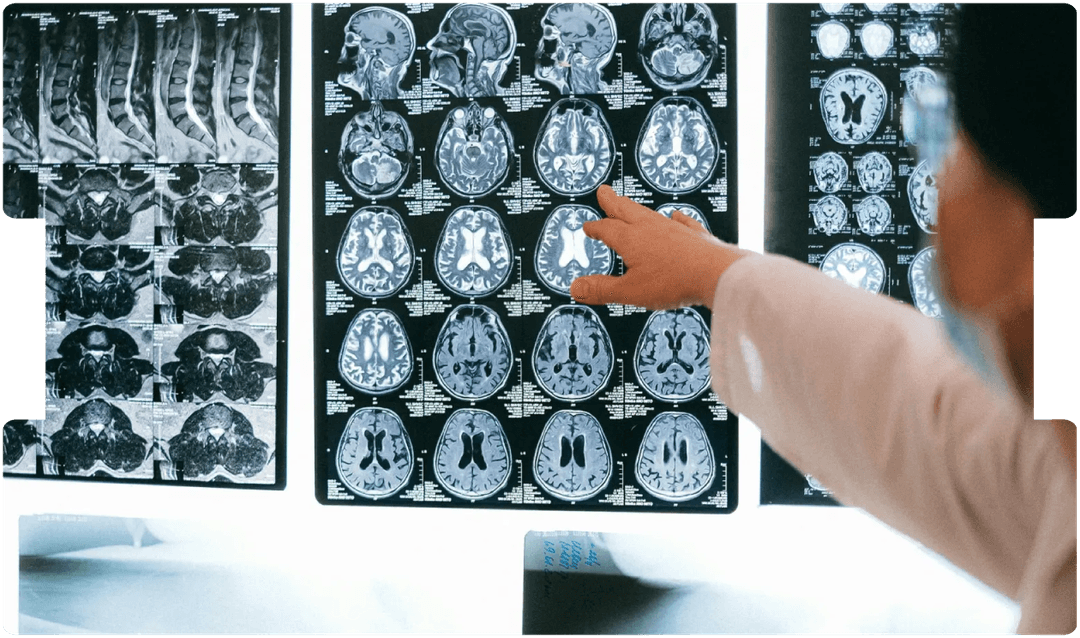
Gain expert insights on how delayed brain tumour diagnoses can impact outcomes, liability, and causation - essential reading for clinical negligence solicitors handling complex neurological claims.

Explore the diagnostic grey areas and treatment controversies of brain cavernomas - vital knowledge for assessing breach, causation, and defensibility in neurosurgical claims.
Gain expert insight into assessing post-traumatic seizure risk in head injury claims - vital for accurate prognosis, liability, and compensation in clinical negligence cases.
Find out why 70+ legal firms partner with INNEG.
Request a callback, or contact us.
INNEG respects your privacy. Any information you share with us will be used only to respond to your query.
Phone
+44 161 870 2461Thank you for your request!
We will get back to you as soon as possible.