Scarring and Disfigurement in PI & CN Claims: Medico-Legal Insights
By Professor Steven Jeffery, Consultant Plastic Surgeon
Posted 24 November 2025
8 Minute Read
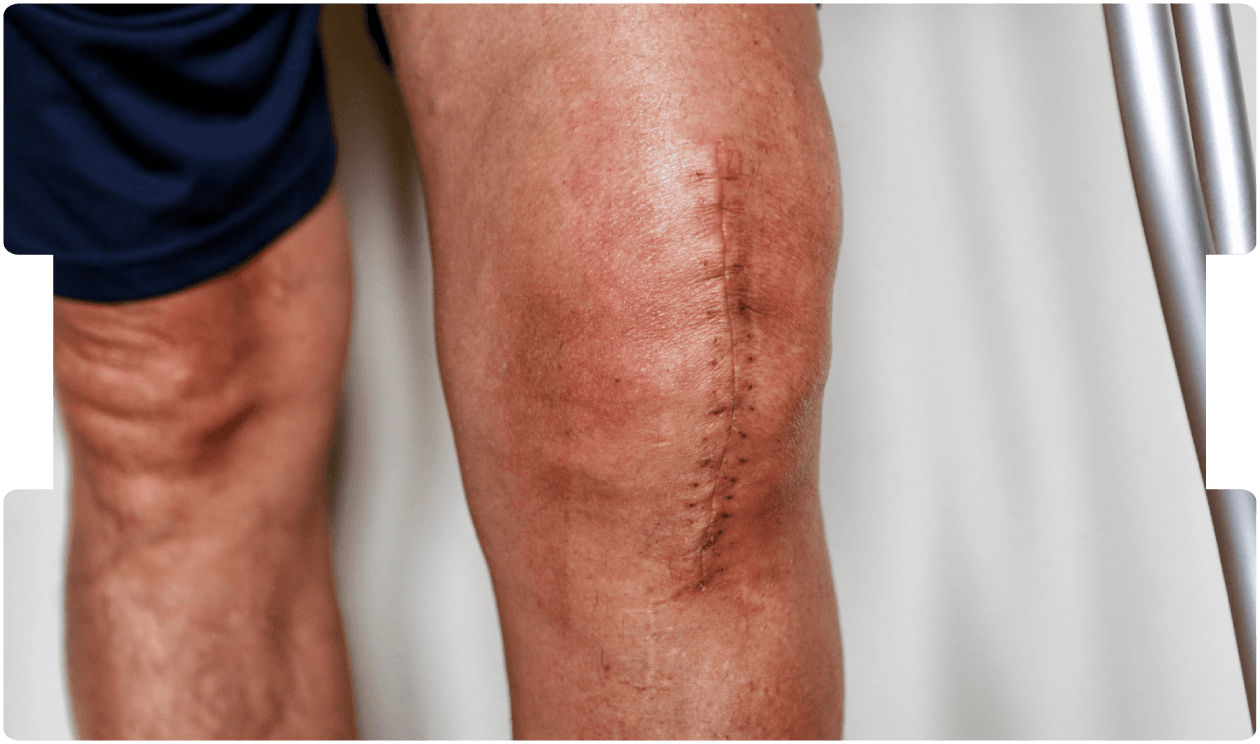
Scarring and disfigurement can heavily influence causation, prognosis and quantum. A clinical understanding helps solicitors identify avoidable harm, anticipate treatment needs and build stronger, evidence-led claims.
Watch the full webinar with Professor Steven Jeffery here >
Scarring and disfigurement often sit at the centre of both personal injury and clinical negligence claims, yet they are still frequently misunderstood, misdescribed, and poorly evidenced. That can leave solicitors exposed on causation, prognosis and quantum, particularly where scarring is small in size but high in impact.
Consultant Plastic & Burns Surgeon Professor Steven Jeffery provides a framework for understanding what scars really are, how they form and heal, and how expert evidence on scarring should be interpreted and challenged in litigation. The aim is simple: to help solicitors move from “this looks bad” to evidence-led arguments about avoidability, long-term impact and value.
Scar vs Blemish: Why the Label Matters
One of the most important medico-legal distinctions is between a true scar and a blemish. A scar represents a permanent structural change in the skin; it is often palpable as well as visible - a distinction frequently analysed by dermatology expert witnesses when assessing permanence and prognosis. Hyperpigmentation or hypopigmentation, on the other hand, is typically flat, improves over time, and may eventually disappear.
For solicitors, that distinction matters because only true scars justify:
- long-term prognosis opinions
- higher PSLA and psychological impact arguments
- future treatment and revision surgery costs
If a mark fades entirely, it was never a scar. Misclassifying a blemish as a scar inflates expectations and exposes the case to challenge at conference or trial. Crucially, this distinction often cannot be made from photographs alone; palpation is usually needed, which is a key limitation of remote-only assessments.
Healing Timelines: Objective Evidence for Prognosis and Avoidability
Healing time is one of the most reliable clinical indicators of whether scarring is expected - and whether the outcome may have been avoidable.
A wound is considered “healed” when it has epithelialised, not when redness or soreness resolves. Yet medico-legal reports often state that wounds “took months to heal”, when closer examination shows that only residual redness or sensitivity persisted.
In burns, the relationship between healing time and scarring is particularly clear:
- wounds healing in under two weeks generally do not scar
- wounds taking over three weeks almost always leave a permanent scar
For solicitors, accurate healing timelines can help to:
- differentiate inevitable scarring from scarring aggravated by infection or delay
- test whether alleged wound-care failures plausibly changed the outcome
- underpin realistic opinions on prognosis and quantum
Where healing dates are vague or inconsistent, it may be appropriate to challenge the reliability of the evidence or seek clarification from the expert.
What Good Scarring Evidence Looks Like
Not all scar reports are created equal. Robust evidence is built on objective descriptors, not vague phrases like “mild” or “disfiguring”.
A competent plastic surgery report should describe, in clear terms:
- location and size
- colour and visibility at distance (e.g. 1, 2 or 3 metres)
- whether the scar is flat, raised or indented
- firmness vs softness
- tethering to underlying tissues
- contour defects, divots, cross-hatching or “dog-ears”
- associated symptoms such as itching, tenderness, hypersensitivity or numbness
These descriptors make it possible to justify opinions on severity, prognosis, suitability for revision, and whether the scarring is likely to remain noticeable in ordinary social interactions.
For litigators, understanding this language allows you to:
- spot weak or incomplete reporting at an early stage
- give more precise instructions to your own experts
- challenge opposing evidence where scarring appears to have been over- or understated
Where such descriptors are missing, it may indicate that the assessor does not routinely deal with complex scarring or that the report will not withstand scrutiny.
Mechanism vs Management: Where Did the Harm Arise?
A recurring question in both PI and CN claims is whether the scarring was caused solely by the original trauma, or whether its extent was influenced by the quality of subsequent care.
Mechanism matters. A sharp cut behaves differently to a blunt laceration, and terminology in the records may help reconstruct what actually happened. Likewise, scarring can be worsened by:
- delayed or suboptimal wound closure
- inappropriate or prolonged use of staples or sutures, leading to cross-hatching
- missed infection or fat necrosis
- inadequate dressing changes or follow-up
Recognising when scarring is a predictable consequence of the initial injury - and when it may have been aggravated by management - is central to breach and causation analysis. It also helps when deciding whether a plastics expert, burns specialist or another discipline is the best fit for the case.
Psychological Impact: Small Scars, Big Consequences
The physical appearance of a scar is only one part of the story. Professor Jeffery notes that phrases such as “the scarring is a source of embarrassment” and “a permanent reminder of the injury” apply to many clients, even when scarring is relatively small.
Location is critical. Scars on the face, neck, hands or wrists can carry disproportionate psychological and social weight compared with scars in covered areas. Changes in behaviour - avoiding swimming, altering clothing choices, feeling observed or judged - are highly relevant to valuation.
For solicitors, this means:
- ensuring psychological and lifestyle impact is actively explored in instructions
- avoiding assumptions that “small equals trivial”
- supporting expert evidence that explains why a modest scar may still justify meaningful PSLA or treatment costs
Case Examples: How Clinical Detail Translates into Legal Argument
Case examples illustrate how these principles play out in practice.
A client with an unusually obvious cheek scar, running against natural skin lines and creating a step deformity, underwent Z-plasty revision. The procedure broke up the straight line and improved contour, leaving a less conspicuous zig-zag. From a medico-legal perspective, the report needed to balance realistic expectations (improvement, not erasure) with a clear description of downtime and likely cosmetic gain.
In another case, pin-cushioning and contour defects led to a raised circular area distorting surrounding tissues. Photographs suggested a problem, but the full impact of tethering was clearer on examination and video. Here, the legal challenge lay in evidencing both cosmetic change and subtle functional limitations.
In suspected non-accidental injury, lesions initially thought to be “cigarette burns” were later shown to be impetigo. The speed of healing and absence of typical burn scarring were crucial. For family and CN lawyers alike, this underscores the importance of serial photographs and accurate timelines to avoid catastrophic misinterpretation.
Key Takeaways for Solicitors
For practitioners handling scarring and disfigurement claims, a few practical points stand out:
- Check the basics: is this a true scar or a blemish? The answer directly affects prognosis, psychological impact and quantum.
- Interrogate healing timelines: in burns, healing under two weeks usually means no scar; over three weeks usually means permanent scarring, regardless of how the notes describe “healing”.
- Insist on objective descriptors: visibility, contour, tethering, firmness and symptoms should all be clearly recorded in expert reports if you are to rely on them in negotiation or trial.
By aligning legal strategy with clinical reality, solicitors can present more persuasive arguments on avoidability, long-term impact and appropriate valuation.
Tags:
- Scar Management
- Informed Consent
- Trauma
- Unrecoverable Costs
Expert Disciplines:
- Plastic & Reconstructive Surgery
About The Author

Professor Steven Jeffery
Consultant Plastic Surgeon
Prof Steven Jeffery is a Consultant Plastic Surgeon with over 30 years of clinical experience and expert witness since 1997. He specialises in burns, traumatic wounds, scar revision and disfigurement, preparing around 250 medico-legal reports each year across personal injury and clinical negligence claims.
From the Blog
Related Articles

Visible scarring and disfigurement can have major medico-legal consequences, especially where psychological impact, permanence, or reconstructive need affects quantum.

Understand how robust consent processes in medical aesthetics reduce litigation risk, improve patient outcomes, and help solicitors build stronger clinical negligence cases involving cosmetic treatments.
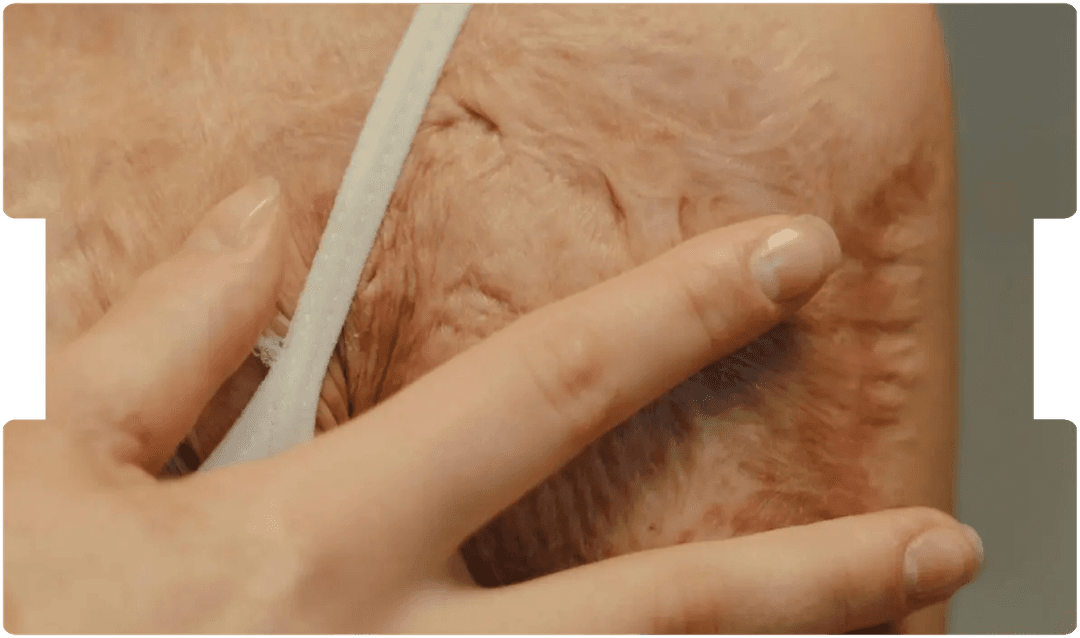
Discover key insights on scar management and emerging treatments to strengthen clinical negligence claims involving scarring, ensuring expert advice and timely interventions for your clients.
Find out why 70+ legal firms partner with INNEG.
Request a callback, or contact us.
INNEG respects your privacy. Any information you share with us will be used only to respond to your query.
Phone
+44 161 870 2461Thank you for your request!
We will get back to you as soon as possible.