Understanding the Clinical Realities of End of Life Care in Mesothelioma: A Perspective for Legal Practitioners
By Lisa Barnes, Consultant Nurse
Posted 05 January 2026
7 Minute Read
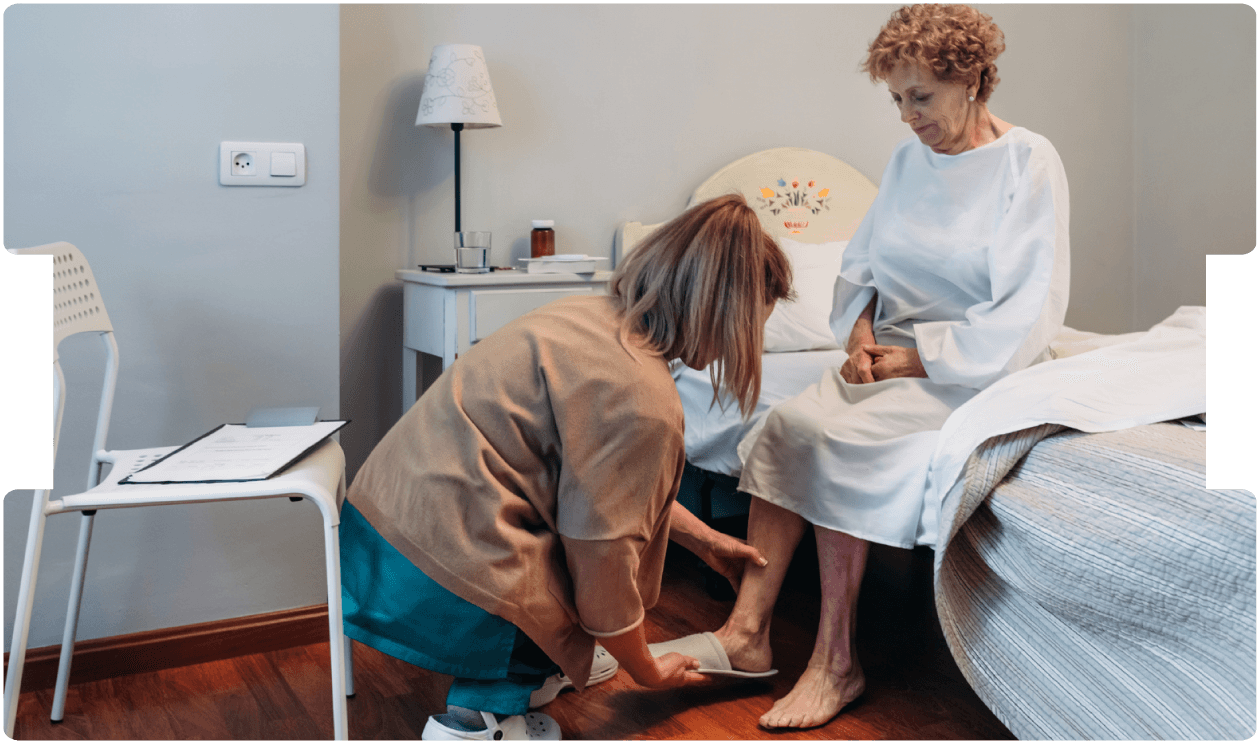
If you are assessing end of life care in a mesothelioma claim, understanding what clinicians are managing in real time is essential to judging the evidence fairly.
Mesothelioma remains one of the most challenging life‑limiting illnesses to manage, not only because of its aggressive trajectory but also because of the profound physical, psychological, and social impact it has on individuals and their families. For legal practitioners involved in litigation relating to asbestos exposure, industrial disease, or disputed care standards, understanding the clinical realities of end‑of‑life care is essential. As an oncology nurse, case manager, and care expert, I see first‑hand how the complexity of mesothelioma care intersects with the evidential demands of the legal process. This article aims to bridge that gap.
The Nature of Mesothelioma and Its Clinical Trajectory
Mesothelioma is characterised by unpredictable progression. While some individuals experience a relatively stable period following diagnosis, others deteriorate rapidly. Symptoms such as breathlessness, chest pain, fatigue, cachexia, and anxiety often escalate in the final months and weeks. These symptoms rarely occur in isolation; they interact, compound, and fluctuate, requiring continuous reassessment and adjustment of care plans.
For lawyers, this variability is important. It means that documentation will rarely show a neat, linear decline. Instead, records reflect a dynamic clinical picture: escalating analgesia, repeated titration of opioids, urgent community visits, and multidisciplinary discussions. These are not signs of disorganisation; they are the hallmarks of responsive, patient‑centred care.
The Realities of Managing End‑of‑Life Care
End‑of‑life care for mesothelioma is intensive, emotionally charged, and clinically demanding. Case managers and nurses must balance symptom control, patient autonomy, family expectations, and safety. Breathlessness crises, for example, can be terrifying for patients and carers. They often require rapid intervention, anticipatory prescribing, and clear communication about what to expect.
Pain management is another area where clinical nuance matters. Mesothelioma pain can be neuropathic, somatic, or visceral - often all three. Achieving adequate control may require complex regimens involving opioids, adjuvants, nerve blocks, or radiotherapy. Lawyers reviewing records may see frequent medication changes and assume instability or poor planning. In reality, this reflects best practice: iterative, evidence‑based adjustments in response to a changing clinical picture.
Hydration, nutrition, and functional decline also become central considerations - areas frequently assessed by occupational therapy expert witnesses when evaluating care needs, safety, and support at end of life. Reduced oral intake is a natural part of the dying process, yet families often struggle with this emotionally. Nurses spend significant time supporting relatives, explaining physiology, and ensuring that decisions are documented clearly and compassionately. These conversations rarely appear verbatim in records, but their influence on care is profound.
The Challenge of Evidencing Good Care
From a medico‑legal perspective, the quality of documentation is often scrutinised more intensely than the quality of care itself. Yet the realities of community‑based end‑of‑life care mean that records are created in pressured environments: during home visits, in crisis situations, or after emotionally difficult conversations.
Good documentation is factual, contemporaneous, and clinically reasoned - but it is not a transcript of every interaction. Lawyers should expect to see:
- Clear symptom assessments and rationale for interventions
- Evidence of anticipatory planning
- Communication with family and multidisciplinary teams
- Risk assessments relating to falls, medication safety, and carer capacity
- Records of patient preferences, including preferred place of care and death
What they should not expect is exhaustive detail about every conversation, every expression of distress, or every moment of reassurance. These are integral to nursing care, but they are not always captured in the clinical record.
Risk, Safety, and Decision‑Making
Mesothelioma care involves constant risk balancing. Falls risk increases as mobility declines; opioid toxicity becomes a concern as doses escalate; carers may become overwhelmed or exhausted. Nurses and case managers must continually assess these risks and document the rationale behind decisions.
For example, a patient may insist on remaining at home despite significant safety concerns. Respecting autonomy while mitigating risk requires careful negotiation, clear documentation, and often creative problem‑solving - arranging additional care, providing equipment, or increasing visit frequency. In legal cases, understanding this balance is crucial. A decision that appears risky in hindsight may have been entirely appropriate when viewed through the lens of patient choice and clinical judgement.
The Human Dimension
Perhaps the most important aspect for legal professionals to appreciate is the emotional landscape of end‑of‑life care. Mesothelioma patients and their families often face anticipatory grief, fear, anger, and uncertainty. Nurses and case managers provide not only clinical expertise but also psychological support, advocacy, and continuity. These elements shape the patient experience and influence decision‑making, yet they are the least visible in the written record.
Conclusion
For lawyers, understanding the realities of mesothelioma care is essential to interpreting clinical records accurately and fairly. End‑of‑life care is complex, fluid, and deeply human. Documentation provides a structured account of clinical reasoning, but it cannot fully capture the emotional labour, rapid decision‑making, and nuanced symptom management that underpin high‑quality care. By appreciating these realities, legal practitioners can engage more effectively with expert evidence, contextualise clinical decisions, and better understand the lived experience of those at the centre of litigation.
Tags:
- Mesothelioma
- Dying Process
- Clinical Notes
- Pain Management
Expert Disciplines:
- Oncology
- Nursing
About The Author

Lisa Barnes
Consultant Nurse
Lisa Barnes is a Consultant Nurse, Clinical Case Manager and Expert Witness with 12 years’ medico-legal experience, having worked as an Independent Care Expert since 2014. She prepares reports across Clinical Negligence, Personal Injury and industrial disease claims, including care, equipment, loss of service and palliative care evidence.
Her specialist expertise includes mesothelioma and asbestos-related disease, oncology, end of life and palliative care, complex care needs and chronic illness, making her particularly suited to instructions involving care requirements, life-limiting conditions and industrial disease.
From the Blog
Related Articles
Back pain remains one of the most complex and contested areas in personal injury and clinical negligence law. When MRI findings fail to match reported symptoms, how can legal teams determine causation, disability, or prognosis?

Spinal pain remains one of the most complex areas in medico-legal reporting, particularly where imaging does not align with symptom severity.

When a solicitor needed urgent input from both a Rheumatologist and a Psychiatrist to assess overlapping fibromyalgia and somatic symptoms, we delivered both expert nominations in less than a day.
Find out why 70+ legal firms partner with INNEG.
Request a callback, or contact us.
INNEG respects your privacy. Any information you share with us will be used only to respond to your query.
Phone
+44 161 870 2461Thank you for your request!
We will get back to you as soon as possible.