Why CVI Must Be Investigated in Paediatric Brain Injury Claims
By Professor Jane Ashworth, Consultant Paediatric Ophthalmologist
Posted 11 March 2025
7 Minute Read
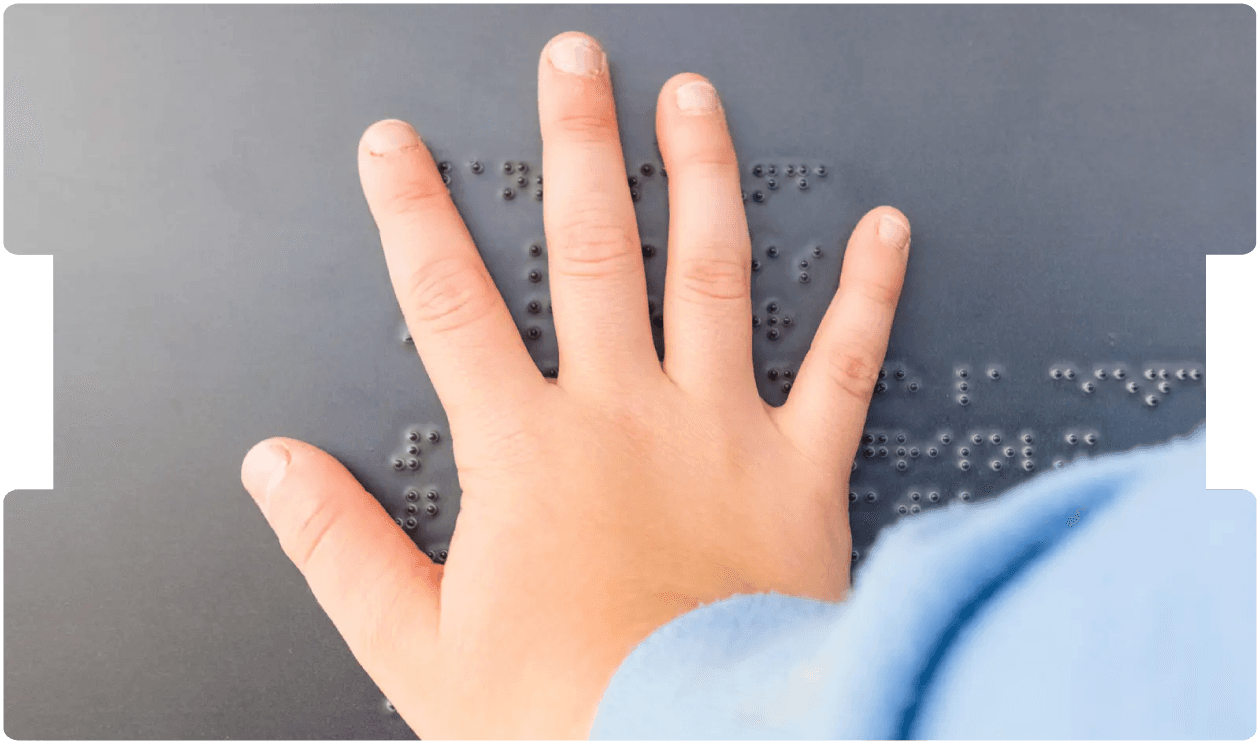
Struggling to evidence vision loss in paediatric brain injury claims? Discover how ophthalmic expert insights on CVI can strengthen causation, care planning, and quantum arguments in your cases.
Medico-Legal Relevance of Vision Loss in Paediatric Brain Injury
Cerebral Visual Impairment (CVI) is frequently under-recognised in paediatric brain injury claims - but the legal ramifications are significant. From care projections to causation arguments, understanding and evidencing CVI can directly influence claim outcomes.
In this expert-led session, Consultant Paediatric Ophthalmologist Prof. Jane Ashworth offers key insights on how CVI develops, how it differs from other visual conditions, and what solicitors need to look for when handling high-value brain injury cases.
CVI Is Often Missed in Early Assessments
CVI is a neurological condition that results from damage to the brain’s visual pathways. It does not affect the eye structure, which means early vision tests can appear “normal,” misleading clinicians and experts.
🔹 Early clear vision does not rule out CVI.
🔹 Symptoms often become apparent only as visual demands increase with age.
🔹 A robust medico-legal prognosis requires ongoing vision assessments, typically into age 7 or 8.
ROP vs CVI: Why It Matters for Causation
In premature infants, it's critical to distinguish between Retinopathy of Prematurity (ROP) and CVI.
“ROP, when well treated, may not cause long-term visual loss. CVI, however, may persist despite normal structural findings.” - Prof. Ashworth
Failing to differentiate between the two can misattribute vision loss, leading to weak causation arguments or undervalued claims. Instructed experts must explain this distinction clearly and defensibly in their reports.
Functional Impacts That Drive Claim Value
CVI affects how a child interacts with their environment, not just their ability to read a chart. These real-world consequences are central to medico-legal arguments around:
- Special educational support
- Safe accommodation planning (e.g., single-storey living)
- Future care costs and supervision needs
- Long-term independence projections
Ophthalmic Experts Are Key to Case Strength
Without credible ophthalmic evidence, CVI claims risk being under-evidenced or misinterpreted. The right expert can:
- Clarify how brain injury led to CVI
- Demonstrate functional impacts on development
- Reinforce claims for educational support and adapted housing
- Withstand defence challenge through clinical reasoning and robust documentation
Tags:
- Cerebral Visual Impairment
- CVI
- Retinopathy of Prematurity
- Paediatric Brain Injury
- Ophthalmic Expert Witness
- Visual Impairment
- High-Value CN Claims
Expert Disciplines:
- Ophthalmology
About The Author

Professor Jane Ashworth
Consultant Paediatric Ophthalmologist
Dr. Jane Ashworth is a Consultant Ophthalmologist at Manchester Royal Eye Hospital with over 30 years of specialist experience. After graduating from the University of Oxford in 1992, she earned a PhD from the University of Manchester and completed Fellowships in paediatric ophthalmology and strabismus. She was appointed Consultant in the paediatric ophthalmology department at MREH in 2007. Dr. Ashworth provides expert witness services in her field.
From the Blog
Related Articles
Understand how placenta histology reports provide crucial evidence in birth injury claims, helping solicitors assess breach, causation, and strengthen clinical negligence cases effectively.

Understand how courts view guideline compliance versus clinical judgment, helping solicitors assess breaches of duty and build stronger clinical negligence cases with legal clarity.

Struggling to find the right expert? This guide shares practical tips and insider know-how to help clinical negligence solicitors secure reliable medico-legal support - faster and with less stress.
Find out why 70+ legal firms partner with INNEG.
Request a callback, or contact us.
INNEG respects your privacy. Any information you share with us will be used only to respond to your query.
Phone
+44 161 870 2461Thank you for your request!
We will get back to you as soon as possible.