Neuro-Oncology Imaging: Professor Sotirios Bisdas, Consultant Neuroradiologist
By Professor Sotirios Bisdas, Consultant Neuroradiologist
Posted 10 June 2026
3 Minute Read
In this webinar, Professor Bisdas explains why neuro-oncology imaging should be assessed in its real-world clinical context, rather than against an idealised textbook standard.
Neuro-oncology imaging plays a central role in brain tumour claims, particularly where issues arise around interpretation, disease monitoring, treatment response and causation. In this expert-led webinar, Professor Sotirios Bisdas explores how neuroradiology evidence can help solicitors understand what was visible, what was reasonable at the time, and how imaging findings may influence breach, causation and quantum.
About the Speaker
Professor Sotirios Bisdas is a Consultant Neuroradiologist and expert witness specialising in adult and paediatric neuroradiology, neuro-oncology, brain and spine injury, and advanced neuroimaging.
He has extensive experience in complex imaging interpretation, disease monitoring and medico-legal reporting. His work supports solicitors in cases involving suspected missed lesions, delayed diagnosis, disputed progression, treatment response and causation in neuro-oncology litigation.
Webinar Key Themes
In this webinar, Professor Bisdas explains why neuro-oncology imaging should be assessed in its real-world clinical context, rather than against an idealised textbook standard.
Key medico-legal insights include:
- MRI can identify tumour presence, location, volume and mass effect, but it cannot reliably determine molecular classification or the exact date of tumour onset on its own.
- The correct imaging baseline is crucial. In post-treatment cases, comparison against the wrong scan can lead to mistaken conclusions about progression.
- Pseudo-progression, pseudo-response and radionecrosis can mimic tumour progression, creating significant risks in treatment decisions and litigation.
- MDT minutes are often essential for understanding how imaging findings were discussed, weighted and acted upon.
- Advanced imaging tools, including perfusion MRI, spectroscopy, PET and AI-assisted volumetry, may materially affect the reliability of conclusions where they were reasonably available.
Why This Matters for Solicitors
Brain tumour claims often involve complex questions around timing, progression and missed opportunities. The neuroradiologist’s role is not simply to say whether a scan was “right” or “wrong”, but to explain what a reasonable radiologist or MDT could have concluded at the relevant time.
This can be particularly important in cases involving delayed diagnosis, disputed treatment withdrawal, missed lesions, suboptimal imaging protocols or uncertainty around whether imaging changes represented true disease progression.
Tags:
- Neuro-Oncology Litigation
- Radiography Negligence
- Brain Tumour Claims
Expert Disciplines:
- Neuroradiology
About The Author

Professor Sotirios Bisdas
Consultant Neuroradiologist
Professor Sotirios Bisdas is a Consultant Neuroradiologist and MRI Lead at the National Hospital for Neurology and Neurosurgery, with additional paediatric neuroradiology practice at Great Ormond Street Hospital. He has undertaken medico-legal reporting since 2014 and has reported in more than 80 adult and paediatric cases, including brain and spinal injury, stroke, non-accidental injury, cerebral palsy/birth asphyxia and tumour disease.
He acts in Clinical Negligence and Personal Injury matters, with experience preparing joint statements and attending trial. His specialist expertise includes traumatic and birth brain injury, hypoxic-ischaemic injury, neuro-oncology, spinal imaging, head and neck disease and advanced neuroimaging.
From the Blog
Related Articles
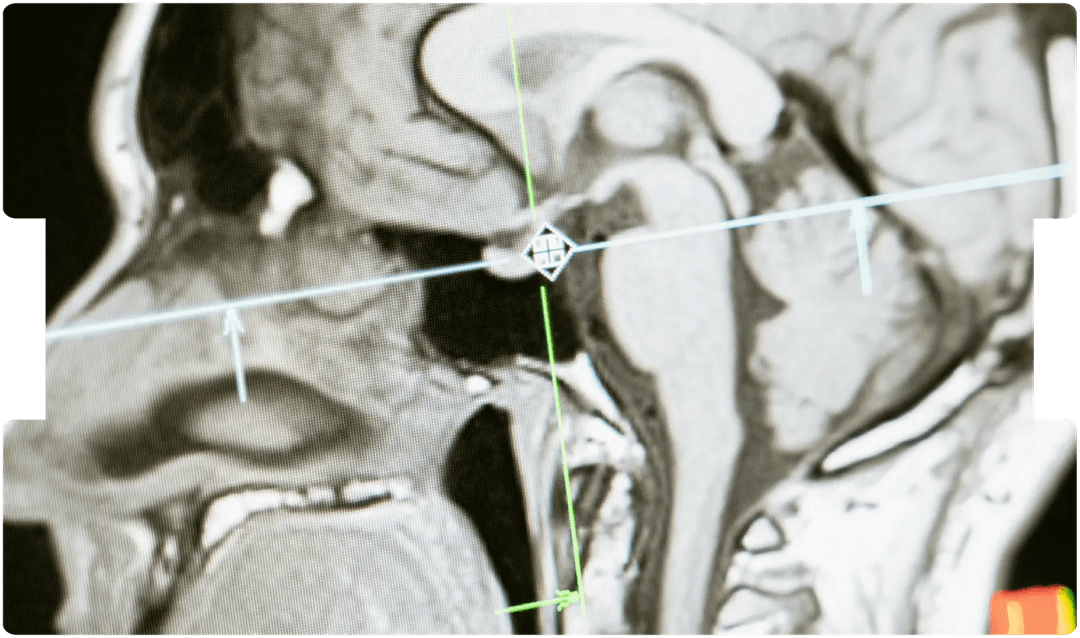
Understand when to instruct a radiologist vs a radiographer in clinical negligence claims - real case examples help clarify expertise, scope, and legal relevance in diagnostic imaging cases.

Subtle neuropsychological deficits in children are often missed in early years and only emerge when developmental demands increase. This blog explores why reassuring imaging and positive primary school reports can be misleading, and how properly framed expert evidence clarifies causation and long-term risk in paediatric brain injury claims.
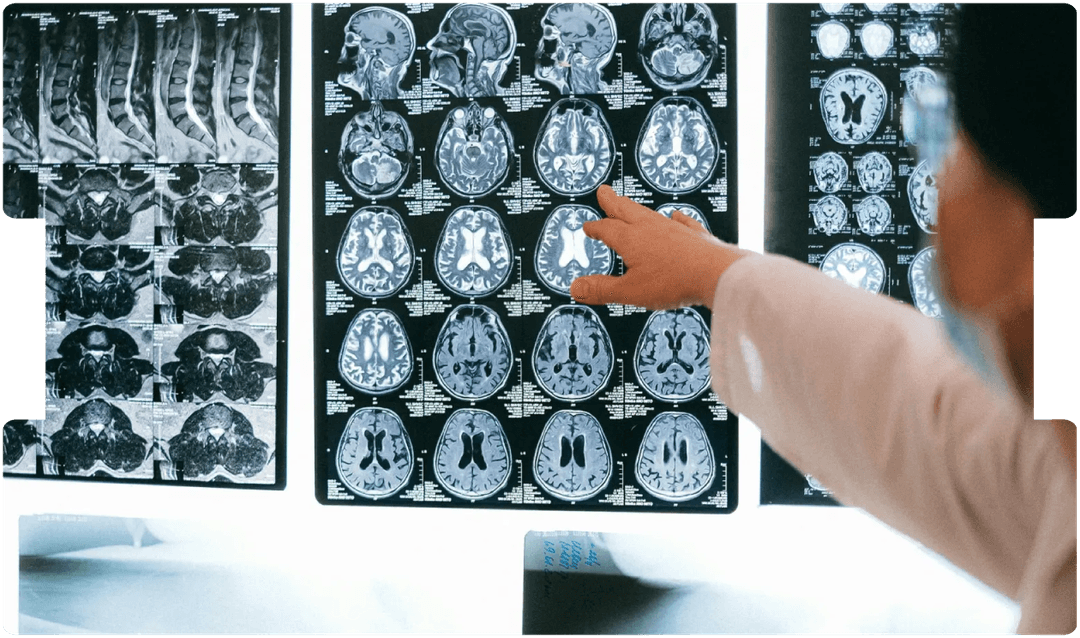
Gain expert insights on how delayed brain tumour diagnoses can impact outcomes, liability, and causation - essential reading for clinical negligence solicitors handling complex neurological claims.
Find out why 70+ legal firms partner with INNEG.
Request a callback, or contact us.
INNEG respects your privacy. Any information you share with us will be used only to respond to your query.
Phone
+44 161 870 2461Thank you for your request!
We will get back to you as soon as possible.