Hidden Deficits and Delayed Decline: Neuropsychological Evidence in Paediatric Brain Injury
By Dr Nigel Colbert, Consultant Clinical Paediatric Neuropsychologist
Posted 19 February 2026
7 Minute Read

Early reassurance in paediatric brain injury can be dangerously misleading, developmental risk often becomes visible only when the brain is asked to do more.
Paediatric brain injury claims are frequently examined through an adult framework. In adult litigation, function can be compared to a clear baseline. There is a pre injury life. A measurable loss. A defined deficit.
Children are different.
The brain is still developing. Executive systems are not fully online. Social cognition is evolving. Educational expectations increase in stages. In this context, absence of early difficulty does not equate to absence of injury. It may simply reflect absence of demand.
In their discussion, Dr Nigel Colbert and Hylton Armstrong explored why subtle neuropsychological deficits in children are frequently underestimated, how they emerge over time, and what this means for causation, prognosis and evidential strength in litigation.
You can watch the full webinar with Dr Nigel Colbert and Barrister Hylton Armstrong here →
Neuropsychology in Children: More Than Test Scores
Paediatric neuropsychology is both technical and relational. It relies on standardised psychometric instruments, but numbers alone are never sufficient.
Unlike adult assessments, performance validity testing plays a reduced role. Engagement, regulation and developmental stage must all be considered. How a child approaches a task, whether impulsively, anxiously, strategically or avoidantly, can be as informative as the score itself.
A maze task completed without pausing may indicate impulsivity rather than competence. A working memory exercise accompanied by visible self talk or physical strategies may reveal compensatory techniques. Fatigue, frustration tolerance and emotional regulation during testing all provide clinically meaningful data.
Crucially, direct observation matters. A purely paper based review without seeing the child limits interpretation. Paediatric assessment is not just about measuring ability. It is about understanding how that ability translates into function.
Why Primary School Can Conceal Risk
In early education, demands are structured and scaffolded. Children move as a group. Instructions are repeated. Planning is externally organised. The environment is relatively predictable.
A child with reduced processing speed, emerging executive dysfunction or subtle social communication impairment can often compensate. They may copy peers. They may be slightly slower. They may not stand out.
Reports during this period are frequently positive. Teachers understandably focus on whether the child is managing within the cohort rather than identifying developmental drift.
The difficulty is not that deficits are absent. It is that they are masked.
True vulnerability often becomes apparent at transition to secondary school, when executive function is expected to operate independently. Navigating complex timetables, managing subject specific expectations, coping with environmental unpredictability and regulating behaviour without constant scaffolding exposes deficits that were previously hidden.
This delayed manifestation is sometimes described as a sleeper effect. Early injury may not immediately disrupt function in obvious ways, but as the frontal systems mature and demands increase, previously subtle impairments become structurally limiting.
Imaging and the Illusion of Reassurance
Conventional imaging frequently fails to capture these difficulties, particularly in cases involving mild traumatic brain injury where normal scans hide serious impact.
CT scans are valuable in emergency settings. MRI identifies structural abnormalities. Neither routinely demonstrates network inefficiency or functional dysregulation.
Many executive, behavioural and attentional problems arise from disruption to distributed neural systems rather than focal lesions. The absence of structural abnormality does not preclude clinically meaningful impairment.
Overreliance on reassuring scans risks misunderstanding the nature of paediatric neuropsychological injury. In subtle cases, psychometric testing, behavioural observation, developmental history and school performance carry greater explanatory power than imaging alone. Emerging techniques are beginning to address this gap, as explored in our piece on advanced neuroimaging in TBI diagnosis and prognosis.
Causation in a Developing Brain
Causation analysis in paediatric cases cannot be reductionistic.
The developing brain is a dynamic system. Injury may alter developmental trajectory rather than produce immediate collapse. The question is not simply what changed but how the pathway altered.
Established literature demonstrates associations between injury to frontal and subcortical networks and later executive dysfunction. However, linking anatomy directly to outcome oversimplifies developmental neuroscience.
Instead, causation analysis considers developmental timing, known network vulnerability, pre injury functioning, family context and resilience. Some children possess reduced cognitive reserve. A pre existing ADHD diagnosis or subtle learning difficulty may not negate causation. It may instead reduce adaptive capacity following insult.
Equally, experts must guard against overreach. Natural variability in development is wide. Differences in performance are not automatically pathological. Sound analysis requires balance. It requires neither attributing every fluctuation to trauma nor dismissing late emerging difficulty because early reports were reassuring.
Developmental literacy is central to defensible causation.
Timing and Prognosis
Timing of assessment materially affects evidential strength.
Early intervention may be appropriate from a therapeutic perspective, particularly for foundational communication or motor skills. However, meaningful executive prognosis often requires observation beyond primary school.
Assessing too early risks premature certainty. Assessing too late risks entrenchment of avoidable difficulty.
In many cases, reassessment around transition to secondary school provides a more reliable picture of adaptive capacity and long term trajectory.
Watchful waiting is not delay for its own sake. It is recognition that development unfolds.
Integrating Rehabilitation and Medico Legal Perspectives
A recurring theme in the discussion was the separation between rehabilitation practice and medico legal reporting.
In ideal circumstances, expert insight should inform therapeutic direction. A Part 35 report should not exist in isolation from the child’s broader care pathway. Greater dialogue between medico legal experts and rehabilitation teams can strengthen both evidential clarity and clinical support.
Ultimately, the child must remain central to the process. Not simply as a claimant, but as a developing individual whose future capacity is being evaluated.
What Makes a Strong Paediatric Neuropsychological Report
A strong report does more than catalogue data.
It organises psychometric findings, qualitative observations, parental history and educational insight into a coherent developmental model. It acknowledges uncertainty where appropriate. It resists oversimplification. It explains how findings translate into functional consequence.
Most importantly, it projects trajectory rather than merely describing current presentation.
In paediatric litigation, the absence of immediate deficit should not be mistaken for absence of risk. Where developmental systems are still emerging, reassurance can be temporary.
Properly framed neuropsychological evidence ensures that long term impact is neither underestimated nor exaggerated, but understood.
Read more via Parklane Plowden >
Tags:
- Brain Imaging Litigation
- Paediatric Brain Injury
- MRI Imaging
About The Author

Dr Nigel Colbert
Consultant Clinical Paediatric Neuropsychologist
Dr Nigel Colbert is a Consultant Clinical Paediatric Neuropsychologist with over ten years’ medico-legal experience and more than two decades working in community-based neurorehabilitation. He is registered on the British Psychological Society’s Specialist Register of Clinical Neuropsychologists and has extensive experience assessing children and young people with acquired brain injury, cerebral palsy and complex developmental conditions.
Dr Colbert’s practice combines psychometric expertise with detailed developmental formulation, focusing on long-term functional outcomes in education, social adaptation and employability. His dual experience in rehabilitation and medico-legal reporting informs a structured yet child-centred approach to causation and prognosis in paediatric brain injury litigation.
From the Blog
Related Articles
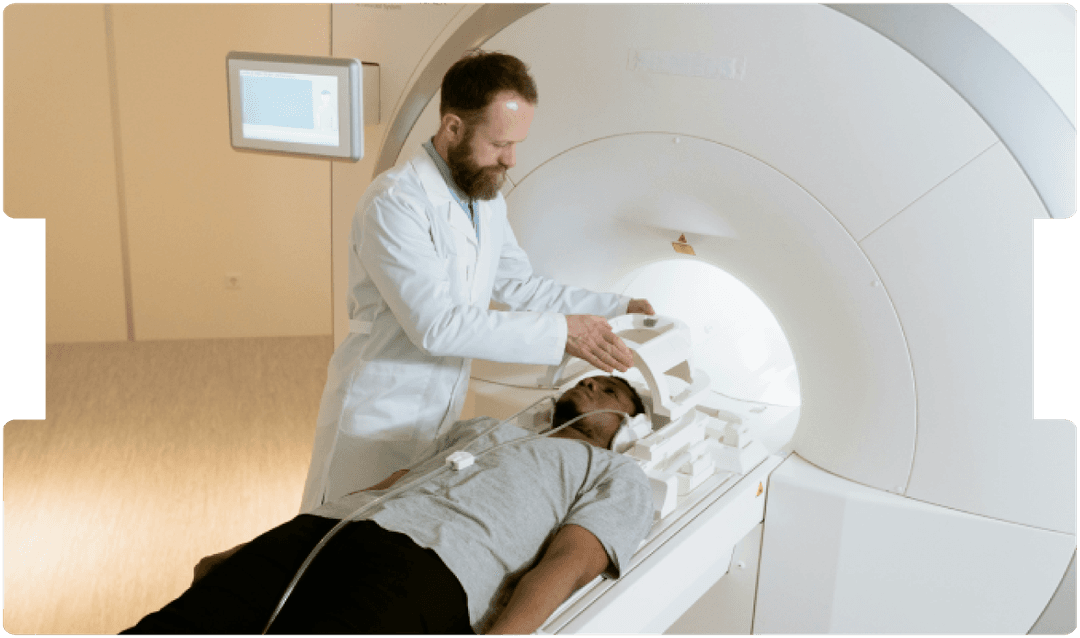
Advanced neuroimaging is transforming TBI litigation. Discover how cutting-edge scans like DTI and rs-fMRI are offering solicitors powerful, objective proof where traditional imaging falls short.
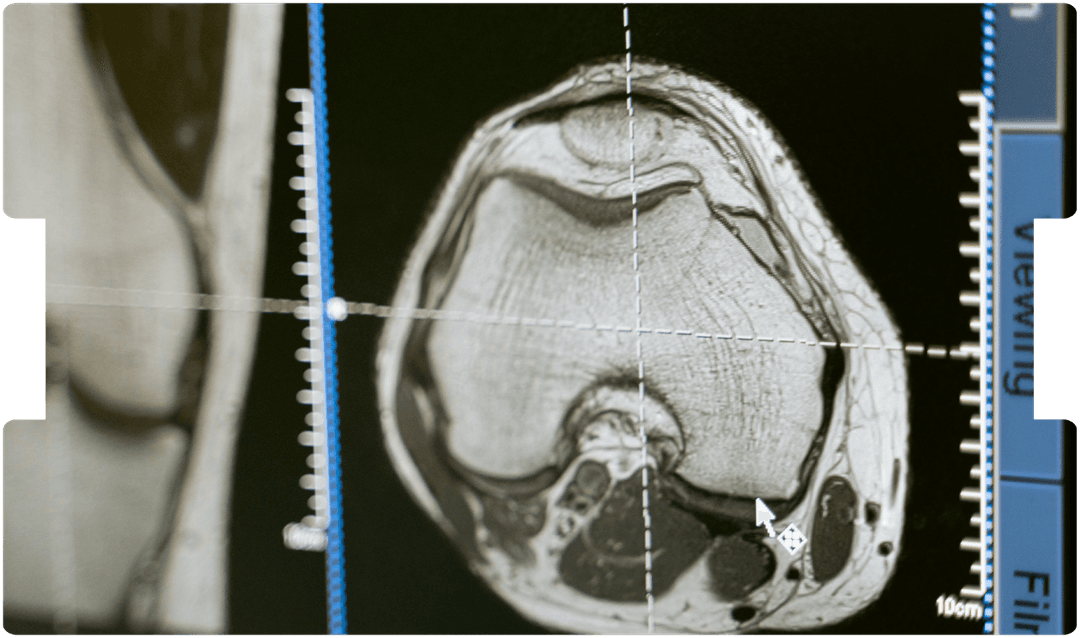
Normal scans, disputed causation, lasting symptoms - discover how expert insight can strengthen your mTBI claims.

Functional Neurological Disorder (FND) is one of the most frequently misdiagnosed and misunderstood conditions in medico-legal practice...
Find out why 70+ legal firms partner with INNEG.
Request a callback, or contact us.
INNEG respects your privacy. Any information you share with us will be used only to respond to your query.
Phone
+44 161 870 2461Thank you for your request!
We will get back to you as soon as possible.