Complications Following Aesthetic Injectables: Key Considerations for Clinical Negligence Solicitors
By Katerina Constantinou, Aesthetic Nurse
Posted 19 October 2026
7 Minute Read
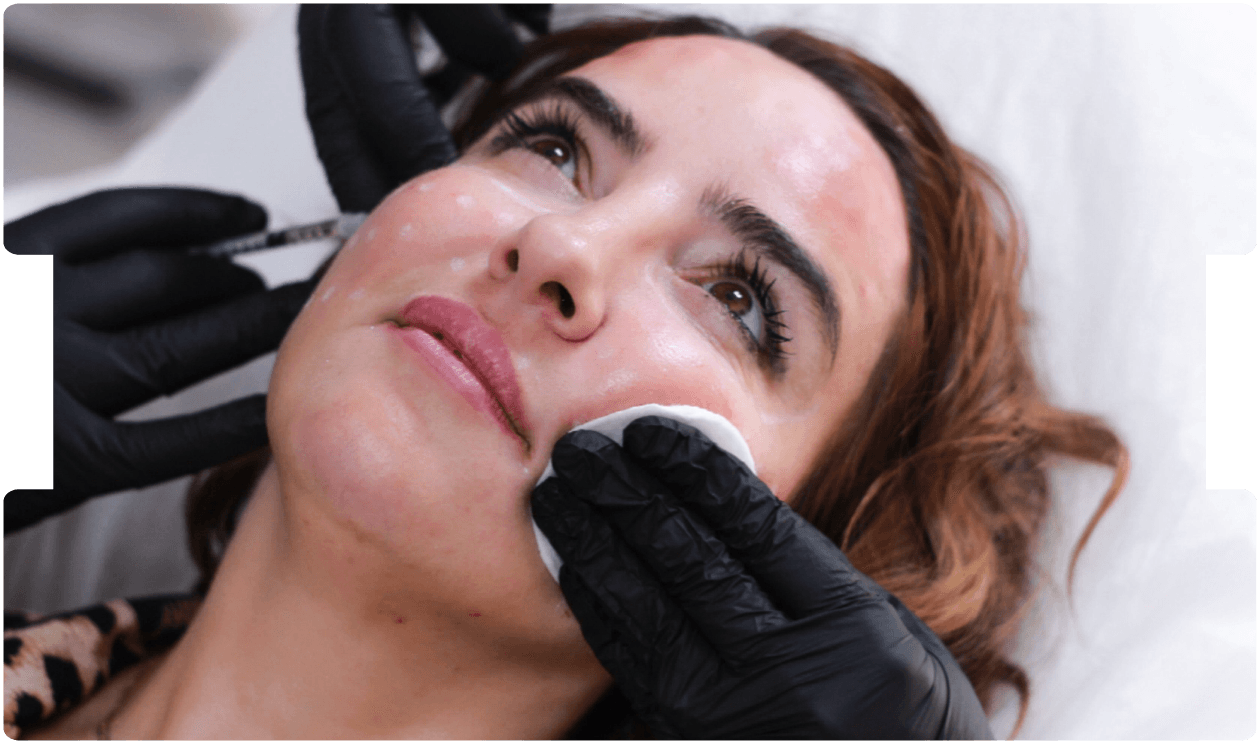
When does an aesthetic injectable complication point to negligence, and what evidence should solicitors examine to distinguish a recognised risk from a potentially viable claim?
In the UK aesthetic injectable treatments can be carried out by a wide variety of persons; from medical practitioners such as doctors and nurses to those with a beauty background and anyone else and also in any location. This wide variety of practitioners are carrying out medical procedures, and this can therefore at times lead to clinical negligence claims. It should also be said that there currently is no formal training requirement, standards of location or need for insurance by the persons carrying out these treatments and this should be understood when thinking about a clinical negligence claim.
These are concerning facts, however, according to the government, there will be regulation coming in to help protect the public imminently (House of Commons Library, 2025). For the time being the practitioner carrying out the treatment can work to a very wide variety of different standards. However, when the person carrying out the aesthetic injectable treatments (that can include a range of treatments such Prescription Only Medications (POMs) like Botulinum Toxin or soft tissue fillers), are part of a regulated body such as the General Medical Council (GMC) for doctors or Nursing and Midwifery Council (NMC) for nurses, there are standards with which they must legally comply.
For solicitors assessing a potential claim, the regulatory status of the practitioner may therefore be an important starting point. It can help establish which professional standards, guidance and expected competencies applied at the time of treatment. However, a failure to comply with guidance will not automatically establish negligence. The central question will remain whether the care provided fell below the standard reasonably expected of the practitioner in the circumstances.
Standards under which medical practitioners must work include;
- Carrying out of a high-standard consultation
- Discussion of appropriate treatment with the patient
- Informed consent being gained before treatment
- An appropriate level of training and level of expertise in the treatments that are offered
- Safety measures such as a high level of infection control measure being in place when injectable treatments are carried out
- An understanding of potential complications that can arise from the treatment undertaken and knowledge of how to identify any potential complications
- Communication of what to look out for if complications arise to the patient so that they are aware when they need to seek help
- Advising of no treatment if that is appropriate
- Appropriate documentation of consultations, treatments carried out and any reviews that occur with patients along with photographic evidence also being gathered
- Communication with insurer when the practitioner is aware that a clinical negligence claim may be made
When a clinical negligence claim is made, the solicitor will look at the evidence available to them, with regards to the treatment that was carried out. The evidence will include the documentation that the practitioner has; including their notes, photographs, etc and also any that the patient has including communication from the practitioner, documentation from any other medical persons they may have seen and photos the personally have.
Obtaining the complete contemporaneous record can be particularly important in aesthetic claims. In addition to the clinical notes, solicitors may wish to obtain consent documentation, pre- and post-treatment photographs, product details and batch numbers, treatment charts, aftercare information, correspondence between the patient and practitioner and records relating to any subsequent corrective treatment. Where a complication developed over time, dated photographs and messages can provide important evidence of its progression and of how promptly the practitioner responded.
Consideration of the following must be made when appraising the evidence, with consideration of the fact that the complaint may be made many months after the treatment has taken place and so anyone’s memory of the event will be limited;
- Is there evidence that informed consent was obtained and an appropriate discussion of risks took place with the patient including any specific risks that may be pertinent to the particular patient? This would be evident through the documentation of a personalised consultation where the patient’s concerns were also noted.
- Was the treatment carried out an appropriate one for the concern that was the indication for treatment?
- Was there documentation of appropriate safety measure used, such as aseptic non touch technique being used when this is necessary?
- Where photos taken and do the photos taken before the procedure document skin that was free from infection or signs of any reason that the procedure should be postponed at that time?
- Was there evidence that the patient was given appropriate aftercare instruction in a format that they were able to access and understand?
- Was there evidence of assessment of any mental health concerns being present in the patient that may have meant that treatment was inappropriate such as Body Dysmorphic Disorder?
The existence of a complication does not, in itself, demonstrate negligent treatment. All aesthetic injectable procedures carry recognised risks even when performed appropriately. Expert evidence may therefore be necessary to distinguish between an accepted complication and an outcome that is more likely to have arisen because of deficiencies in assessment, consent, technique, product selection, aftercare or management of the developing complication.
Then once the evidence in the form of documentation has been appraised other considerations such as training that the practitioner had and was it appropriate for the treatment being carried out will also be made. Was the treatment carried out a licenced treatment for that indication or was the treatment “off licence”, when this is the case was the patient informed of this. When an injectable treatment is carried out was this a usual treatment for the indication being treated? Would this be a usual course of action for a reasonable medical practitioner in these circumstances?
It can also be useful to separate the questions of breach of duty and causation at an early stage. A practitioner may have departed from an appropriate standard of care, but the solicitor must still consider whether that failing probably caused or materially contributed to the injury alleged. Conversely, a significant adverse outcome may have occurred despite entirely reasonable care. An appropriately instructed expert can assist in addressing these issues separately rather than assuming that a poor outcome necessarily indicates negligence.
Of course, also the harm being reported by the patient is this something that can legitimately be caused by the treatment that they had? This can sometimes be quite obvious for example if there is an eyelid droop after Botulinum Toxin treatment to the glabella area (between the brows), however it may not be as clear cut as this. For example; if the patient experiences palpitations after a treatment, this may reasonably be attributed to anxiety on the part of the patient and not be due to the treatment itself.
In conclusion, when a clinical negligence claim is made the documentation and all other evidence will be critically appraised with all of the considerations discussed here kept in mind so that the appropriate next steps in terms of advancing the claim or not can be made.
For solicitors, the key is not simply to establish that an adverse outcome followed an aesthetic procedure, but to identify precisely what is alleged to have gone wrong, what standard should have applied and whether that failing caused the injury. Early collection of the relevant records and appropriately focused expert evidence can help distinguish a recognised complication from a potentially viable clinical negligence claim.
References;
House of Commons Library, 2025. “The regulation of non-surgical cosmetic procedures in England”. House of Commons Library.
Tags:
- Aesthetic Medicine
- Injectables
- General Practitioner Expert Witness
Expert Disciplines:
- Aesthetic Medicine
About The Author
Katerina Constantinou
Aesthetic Nurse
Katerina Constantinou is a Medico-Legal Expert Witness and Aesthetic Nurse with 12 years’ experience in aesthetic practice. An Independent Nurse Prescriber, she has held lead nurse and regional trainer roles at SK:N and trained doctors, dentists and nurses in injectable treatments, including botulinum toxin and dermal fillers.
From the Blog
Related Articles
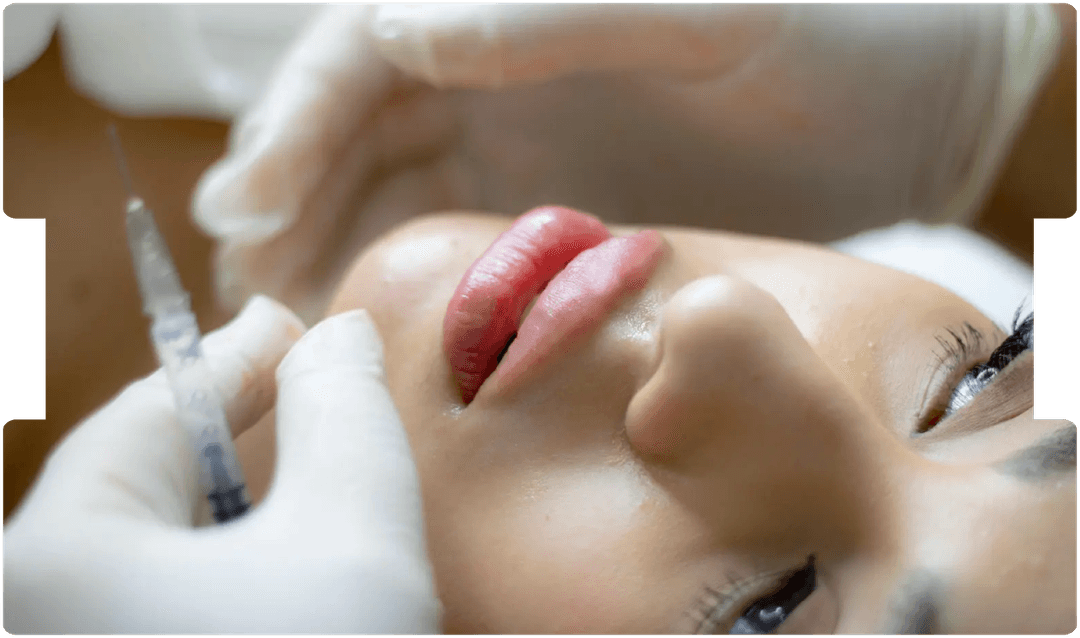
Understand how robust consent processes in medical aesthetics reduce litigation risk, improve patient outcomes, and help solicitors build stronger clinical negligence cases involving cosmetic treatments.
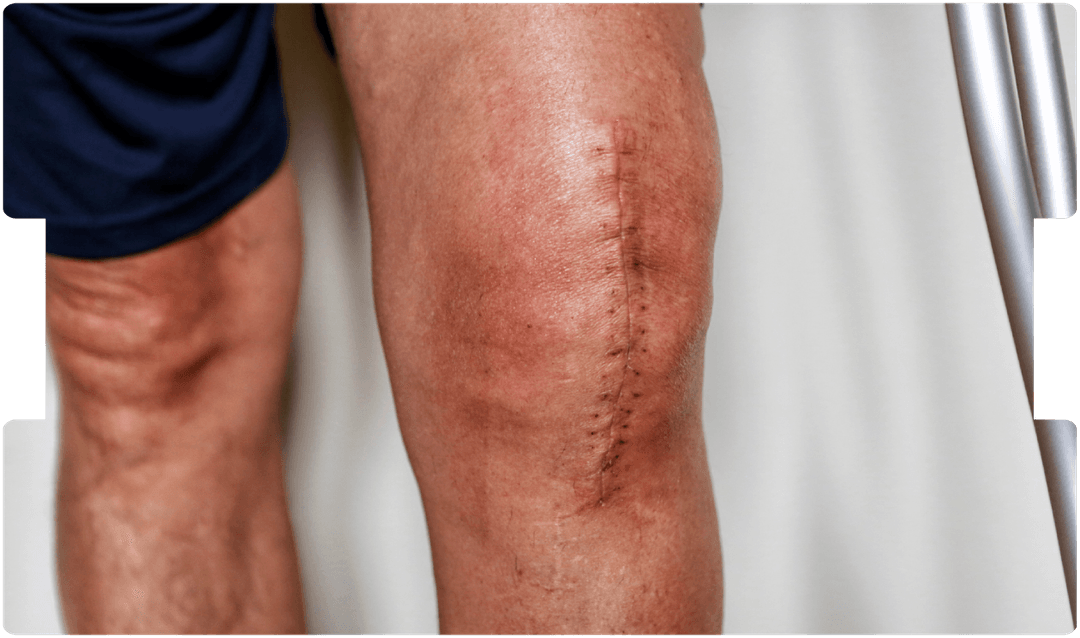
Scarring and disfigurement remain some of the most complex elements of personal injury and clinical negligence litigation, influencing causation, prognosis, psychological outcome, and long-term quantum.
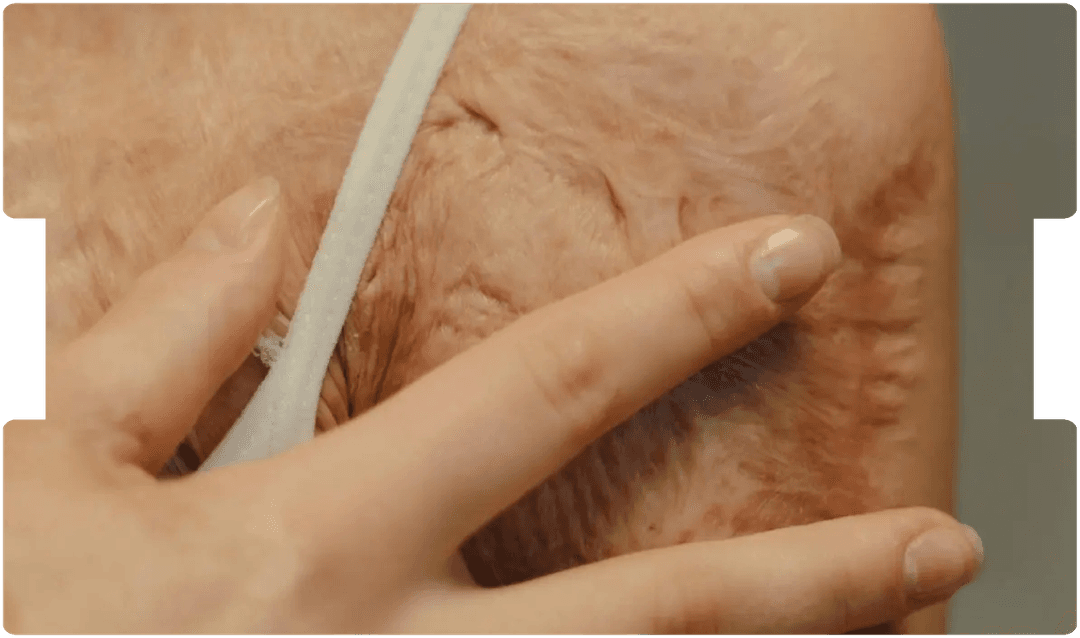
Discover key insights on scar management and emerging treatments to strengthen clinical negligence claims involving scarring, ensuring expert advice and timely interventions for your clients.
Find out why 70+ legal firms partner with INNEG.
Request a callback, or contact us.
INNEG respects your privacy. Any information you share with us will be used only to respond to your query.
Phone
+44 161 870 2461Thank you for your request!
We will get back to you as soon as possible.