Medico-Legal Reports in the COVID-19 Pandemic
By Mr Peter Gray, Consultant Ophthalmologist
Posted 12 July 2020
4 Minute Read
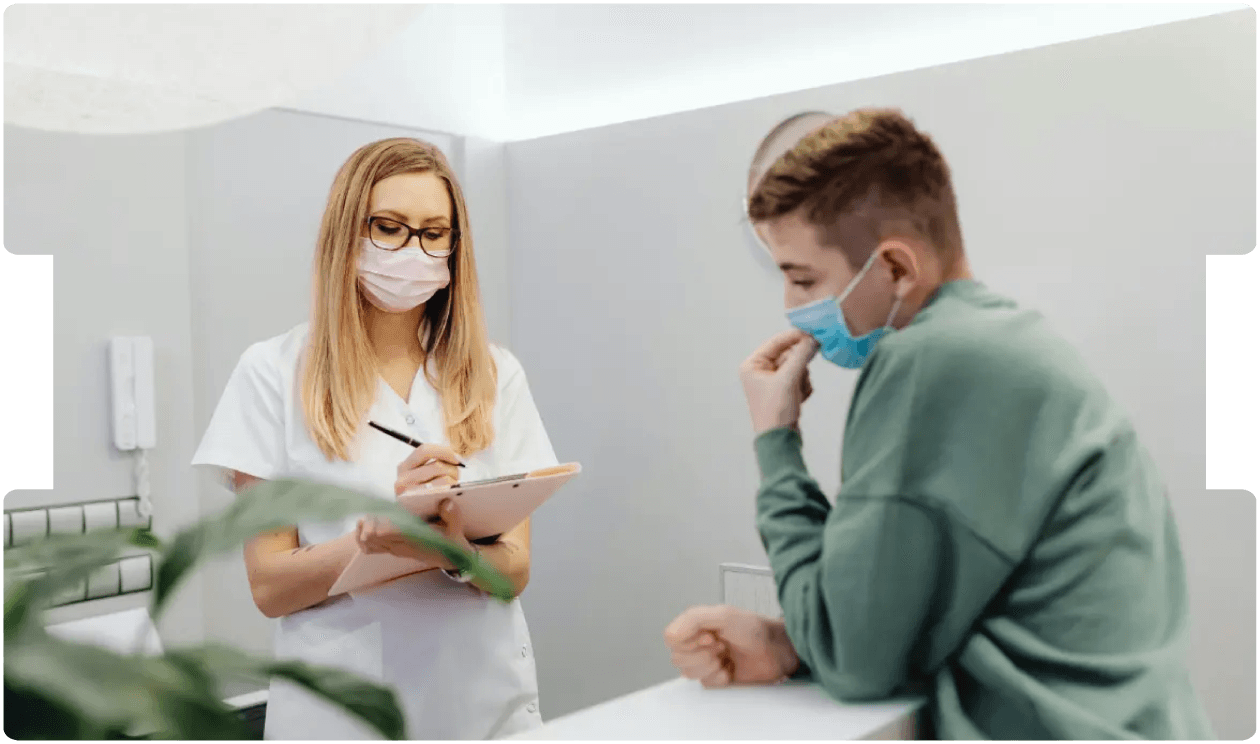
Discover how virtual consultations can streamline medico-legal reporting, improve safety, and save time - while ensuring high-quality expert assessments remain accessible and compliant.
By Mr Peter Gray, Consultant Ophthalmologist
Challenges are a catalyst for innovation and telemedicine has rapidly developed to meet the constraints of COVID-19. This will become the future norm in clinical practice, but there will still be the need for face-to-face appointments for clinical examination and investigations. The initial virtual consultation streamlines the interaction between the expert and the patient and a face-to-face appointment will only be made if indicated. The performance of a virtual consultation facilitate the assessment of those patients who have difficulties in attending a consultation in person because of health issues, the distance involved, or the availability of transport and will be beneficial in optimizing the expert’s time management.
For further insights into how virtual consultations are shaping the medico-legal landscape, see our blog on the Medicolegal Aspects of Virtual Consultations.
The COVID-19 pandemic has been a catalyst for the development of modalities for delivering healthcare in order to maintain social distancing and minimize the potential spread of infection, following Public Health England’s recommendation that all non-urgent face-to-face clinical work should be postponed, which includes consultations for medico-legal reports. Mr Peter Gray considers the best practice in relation to medico-legal report writing in this unprecedented time: -
Prior to undertaking any consultation for all medico legal reports, it is my practice to thoroughly review the letter of instruction, any witness statements, the medical records bundle [from general practice and hospital. In ophthalmological cases, the optician’s records including retinal photographs & OCT scans, are invaluable as they detail the ‘pre-event’ and subsequent visual status. These records should be supplied electronically for superior image quality and to prevent contamination in the postal system. This represents the knowledge base for all consultations and will enable both the expert and the patient to engage with each other optimally.
I favour an introductory telephone call because this will be a familiar modality for all patients. This will be fact-finding as well as requesting items such as photographs]. A future video consultation can be discussed considering accessibility, informed consent, confidentiality and GDPR. A video link further facilitates the verification of the patient’s identity by showing photographic id to the camera. The patient’s location should be confirmed which should be with no other person present, in private, and not in their lawyer’s office. The history will be taken as in a face-to-face consultation together with the interpretation of the patient’s body language, facial expression and tonal changes. The expert has the facility to enlarge the video images to allow a more detailed view. A full examination may be indicated which will require a face-to-face consultation. Because a full history will have been taken during the virtual consultation, the time required for the face-to-face examination will be reduced which will increase the safety for both the expert and the patient. by reducing the number of patients seen and of the time spent in the clinic environment and potential exposure to other sick patients. The client should wear a face covering and the expert PPE to this examination. There is a need to balance the risks associated with the patient travelling to against the benefits of undergoing the face-to-face examination or postponing it to a later date.
The expert should specifically state in his report the modality in which the consultation was conducted and if items, such as photographs and other investigations, are interpreted by the expert, the date of the investigation and where it was performed should be stated. If the expert considers that more up-to-date investigations are required, a provisional report could be drafted with the recommendation that a final report would be produced when the investigations have been performed when possible according to Public Health England’s guidelines. But if the patient complains of a significant change in their clinical status, they should be referred via their GP for management because the role of the expert is to prepare the report for the court and not to manage the patient’s condition. A provisional report should be drafted in such circumstances.
If you're seeking guidance on choosing the right expert for your case, don’t miss our advice on How to Source High Calibre Expert Witnesses.
About the Author:
Mr Peter Gray, MA, LLM, FRCS, FRCOphth, MFFLM, DMCC is a respected and experienced ophthalmologist who, having worked in many prestigious centres of excellence in the United Kingdom, is proficient in all aspects of ophthalmology, especially in relation to ocular chemical injuries and has particular expertise in the ocular damage caused by the CS incapacitant spray deployed by the British Police. He has a Master’s Degree in Law in the “Legal Aspects of Medical Practice” and has worked as a medico-legal adviser to the Defence Medical Services.
To instruct Mr Gray, email your request to instruct@inneg.co.uk
Tags:
- Expert Report Quality
- Report Turnaround
- Remote Work
- Remote Consultation Litigation
- COVID-19
Expert Disciplines:
- Ophthalmology
About The Author

Mr Peter Gray
Consultant Ophthalmologist
Mr Peter Gray is a Consultant Ophthalmologist and Expert Witness with 26 years’ medico-legal reporting experience, having prepared medico-legal reports since 2000 and Clinical Negligence reports since 2010. He undertakes around 8 reports per year for both Claimants and Defendants, has experience preparing joint statements and has attended trial on 7 occasions.
His specialist expertise includes ocular trauma, cataract and refractive surgery, glaucoma, vitreoretinal disease, diabetic eye disease, neuro-ophthalmology and paediatric ophthalmology, making him particularly suited to ophthalmic Clinical Negligence and Personal Injury instructions.
From the Blog
Related Articles

This blog guides clinical negligence solicitors on safely navigating virtual neurosurgery consultations - highlighting consent, standards, and documentation to strengthen medico-legal cases.
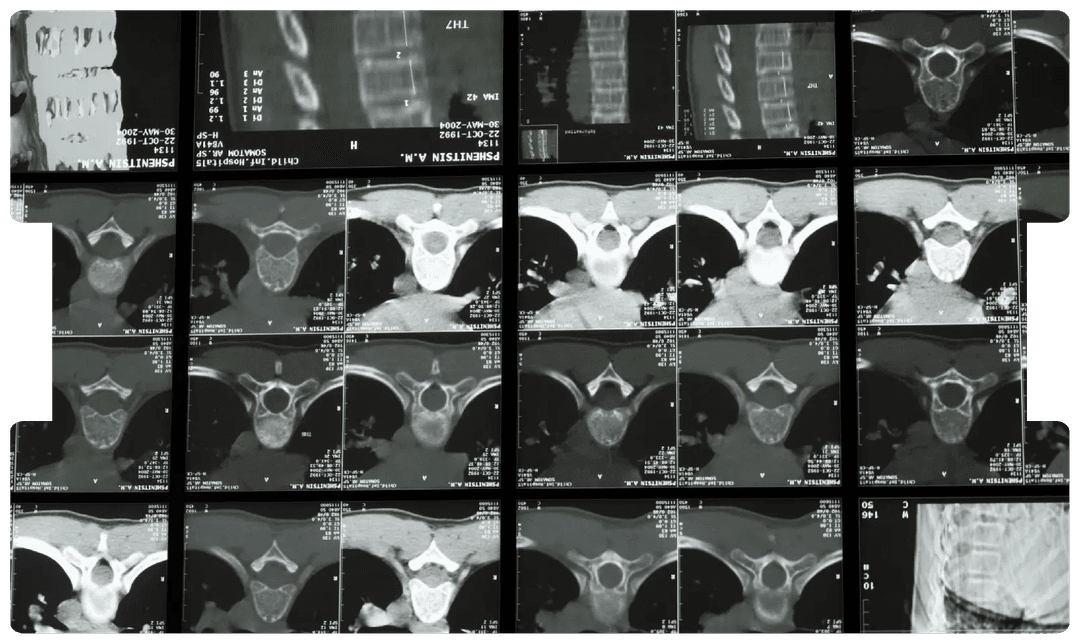
Understand why remote spinal assessments risk flawed medico-legal evidence - and why face-to-face exams are vital for defensible, accurate reports in spinal injury and negligence cases.
Find out why 70+ legal firms partner with INNEG.
Request a callback, or contact us.
INNEG respects your privacy. Any information you share with us will be used only to respond to your query.
Phone
+44 161 870 2461Thank you for your request!
We will get back to you as soon as possible.