TURP: A Case Study in Consent
By Mr. Gordon Muir, Consultant Urological Surgeon
Posted 16 August 2023
6 Minute Read
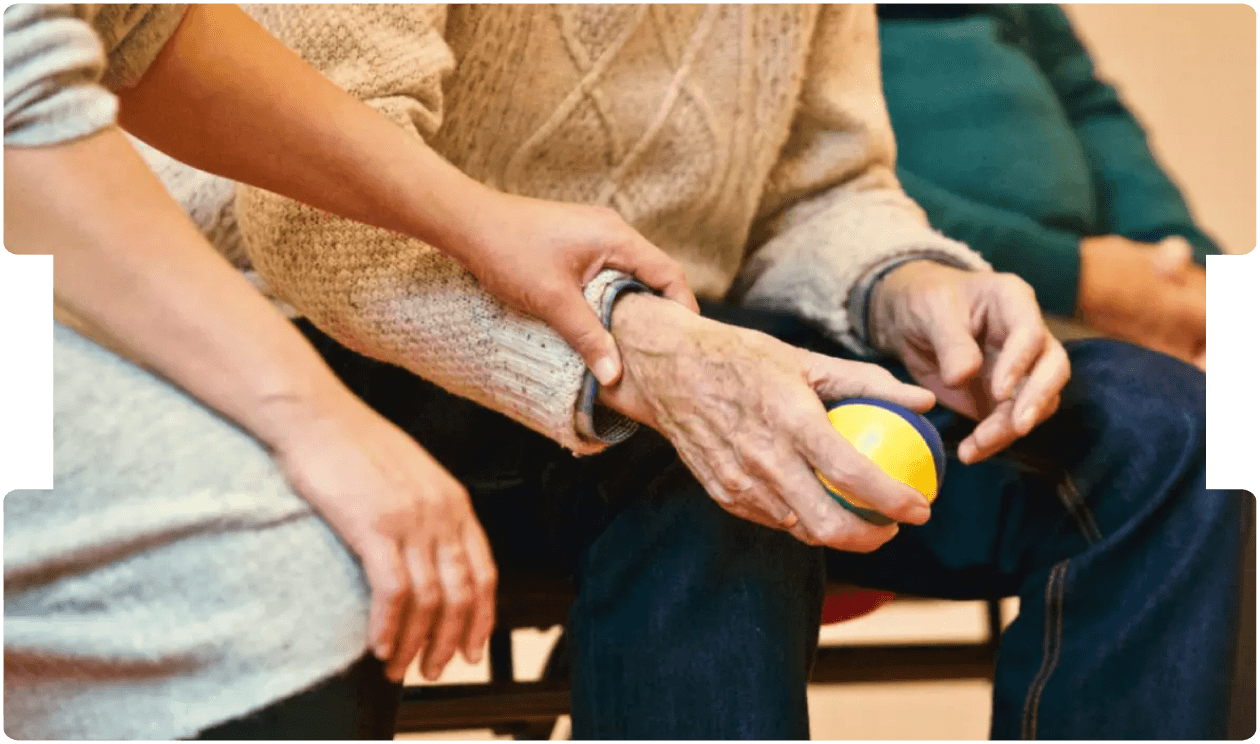
Explore how inadequate disclosure of NICE-approved alternatives in TURP procedures can compromise consent validity, leading to potential litigation. Essential reading for solicitors handling clinical negligence cases.
By Mr. Gordon Muir, Consultant Urological Surgeon
Transurethral Resection of the Prostate, also known as ‘TURP’ is an operation where the internal part of the prostate gland is removed using a telescopic electric knife.
It typically needs two to three nights in hospital, with very low risks of major bleeding, impotence or incontinence. However the risk of dry orgasm (often called “retrograde ejaculation”) is very high.
TURP can be done using two systems of electricity – monopolar and bipolar. With monopolar diathermy there is a small risk of TURP syndrome when the hypotonic irrigation solution is absorbed from the prostate into the bloodstream.
This can be a very serious complication leading to neurological, cardiac and pulmonary dysfunction and even death. This condition does not occur with bipolar TURP.
Case Scenario
Mr T, a 61 year old man with moderately bothersome urinary symptoms was seen by a urology consultant (MrX) after GP referral in 2020. A prostate relaxing drug had been trialled in primary care without success.
After basic tests, it was decided that surgery to remove a moderately enlarged prostate should be carried out. Transurethral resection of the prostate (TURP) was recommended. The patient was warned in the letter of the risks of “bleeding, retrograde ejaculation, impotence, incontinence.”
No other options were offered for treatment.
Surgery was carried out using a monopolar resectoscope, in April 2021, and was complicated by a drop in the serum sodium requiring emergency treatment in the intensive care unit for one night. 27 grammes of prostate tissue were removed at the time of surgery.
After four days with a catheter, Mr T was sent home passing urine on day five.
Three months after the operation he was voiding well and had a significant improvement in symptoms. However he had a dry orgasm which both he and his 47 year old wife found disappointing. On discussing this with a friend who had been treated with an alternative technique without the side effects experienced, he sought legal advice.
Points of Harm
After urological expert opinion, a claim was raised on two points of harm.
First, that the low sodium necessitating ITU treatment (TURP syndrome) was a non-negligent complication of the surgery, but one that did not exist with a number of other treatments. There was no criticism of the management of the TURP syndrome.
Second, that the resultant dry orgasm was again a non-negligent complication of the surgery, but would have been absent or reduced by other treatments.
Options
In defence the Mr X stated that monopolar TURP was his preferred choice of surgery and had been so for many years. He stated that it was the only option available at the NHS centre where the claimant had been seen, and furthermore that he did not believe in much of the data for alternative treatments so had not offered them.
The expert’s report stated that a number of alternative options recommended by NICE at the time of surgery would have mitigated or avoided the complications complained of.
When building consent-related claims, choosing the right expert witness is crucial - read our guide on how to select specialists who can navigate complex clinical decisions.
First, had bipolar resection been used, the TURP syndrome and ITU stay would not have happened. This would also have been the case with all the alternative options for treating this man’s prostate.
Second, a number of alternative options including Urolift (prostate opening stitches) REZUM (prostate steam treatment) and GreenLight laser prostatectomy (a laser operation replicating TURP) would have reduced or abolished the risk of the dry orgasm. It was pointed out that the beneficial results for each of these techniques vary somewhat, but that all were at the time of the surgery recommended by NICE and available at other nearby NHS Trusts.
The Medicolegal Case
Mr T’s solicitors argued that the consent process failed the test of Montgomery v Lanarkshire where “An adult person of sound mind is entitled to decide which, if any, of the available forms of treatment to undergo..” since no alternatives seem to have been proposed or discussed. Had the alternatives been mentioned, even with Mr X being made aware of their possibility at another hospital, he would likely have chosen an alternative treatment on safety and complication grounds.
They further argued that the consent was invalidated by the decision in Thefaut v Johnston that consent could be invalidated by a surgeon understating the risks, or overstating success rates, given that certain risks would have been lower with other procedures.
Mr X’s counsel advised that the claim relating to Montgomery would be difficult to defend at trial, but that the argument relating to Thefaut would be robustly defended. The case was settled, without admission of liability, for less than £10,000.
The evolving legal landscape around informed consent isn't limited to surgery - see how similar principles apply in elective aesthetic medicine cases.
This scenario, while a urological surgery case, relates to many specialties. Patients now have access to limitless information on alternative options (proven and otherwise) yet may not be given choices when they are offered treatment.
This may be linked to local availability, personal physician preference (or prejudice) or NHS versus private treatments.
Where an elective course of action is being considered, it seems likely that not at least discussing recognised alternatives will potentially invalidate consent, regardless of whether they are locally available. Whether this extends to treatments available only privately, or those available within an NHS network is unclear and has not been tested in court.
However it seems that arguing, after Bolam, that a reasonable number of practitioners would not offer a NICE approved treatment or operation, and therefore not discuss it as an option, is unlikely to be a valid argument in consent cases. How the changes in the required quality of consent will impact on everyday clinical practice remains to be seen.
About the Author
Mr. Gordon Muir is a Consultant Urological Surgeon working at King’s College Hospital, and Honorary Senior Lecturer in Surgery at King’s College London.
He qualified in medicine at the University of Glasgow and spent time in active service as an Army medical officer, his training in surgery and urology was in London at St George’s and the Royal Marsden Hospitals.
He has worked in clinical practice and research in France, Egypt, the USA and Italy.
He has been providing medicolegal reports for more than 10 years.
Mr Muir can be contacted for all medico-legal work and to request his CV at gordonmuir@inneg.co.uk
Tags:
- Urologist Expert Witness
- Urology Negligence
- Informed Consent
- Unrecoverable Costs
- Urology Claims
- TURP
Expert Disciplines:
- Urology
About The Author

Mr. Gordon Muir
Consultant Urological Surgeon
Mr. Gordon Muir is a Consultant Urological Surgeon at King’s College Hospital and Honorary Senior Lecturer at King’s College London. With extensive international clinical and research experience, he brings over 10 years of expert medico-legal reporting.
From the Blog
Related Articles
Understand how robust consent processes in medical aesthetics reduce litigation risk, improve patient outcomes, and help solicitors build stronger clinical negligence cases involving cosmetic treatments.
Gain expert insights on neurosurgical clinical negligence, MDT challenges, and evidence essentials to strengthen your cases and navigate complex claims with confidence and precision.

Ensure expert alignment with injury type - this guide helps solicitors navigate specialty overlaps in spinal and brain cases, reducing risk of flawed instruction and improving report credibility.
Find out why 70+ legal firms partner with INNEG.
Request a callback, or contact us.
INNEG respects your privacy. Any information you share with us will be used only to respond to your query.
Phone
+44 161 870 2461Thank you for your request!
We will get back to you as soon as possible.