Brain Injury Claims: Dr Simon Redpath, Consultant Neuropsychologist
By Dr Simon Redpath, Consultant Neuropsychologist
Posted 01 July 2026
3 Minute Read
Brain injury claims can be complex, particularly where symptoms are subtle, delayed, or difficult to separate from pre-existing or unrelated factors.
In this expert-led webinar, Consultant Neuropsychologist Dr Simon Redpath explores hidden deficits, functional impact, and the medico-legal risks that can arise when neuropsychological evidence is misunderstood.
About the Speaker
Dr Simon Redpath is a Consultant Neuropsychologist with more than 20 years’ experience working with people affected by acquired and traumatic brain injury within his private practice. He also works as a Clinical Psychologist with a specialism in Neuropsychology within the neuroscience centre in Dundee and has extensive clinical and medico-legal experience, including traumatic brain injury, hypoxic brain injury, stroke, dementia, Parkinson’s disease, and cognitive rehabilitation.
Dr Redpath first became involved in medico-legal work through the Criminal Injuries Compensation Authority in 2011. His PhD research focused on predicting outcomes following head injury, including paediatric traumatic brain injury, and his clinical expertise brings valuable clarity to complex brain injury claims.
Webinar Key Themes
In this session, Dr Redpath explains why brain injury claims rarely fit a simple pattern. Even apparently minor injuries can have significant consequences, while severe injuries may produce better-than-expected outcomes depending on the person’s environment, recovery support, and wider psychosocial context.
Key medico-legal insights include:
- Brain injury outcomes should be considered through affect, behaviour, cognition, and biological factors.
- Fatigue, emotional change, social withdrawal, and cognitive symptoms can interact and amplify functional impact.
- A normal MRI or CT scan does not always rule out meaningful neuropsychological injury.
- Pre-injury personality, cognitive reserve, family environment, healthcare support, and community rehabilitation can all affect outcome.
- Solicitors should ask specific questions in instructions where there are concerns about causation, attribution, functional capacity, or hidden symptoms.
“No head injury is too trivial to ignore, or too serious to despair of.”
“If it’s on your mind, put it in the instructions.”
Why This Matters
Brain injury evidence can be highly nuanced. Symptoms such as memory difficulties, sensory overload, reduced concentration, fatigue, personality change, or emotional dysregulation may be wrongly attributed to the injury itself, to psychological trauma, to pre-existing issues, or to unrelated medical factors.
Dr Redpath’s webinar highlights the importance of careful neuropsychological assessment in identifying what is incident-related, what may have existed before the accident, and what may have developed afterwards.
For solicitors working on serious injury, clinical negligence, or complex neurological claims, this session provides practical insight into how expert neuropsychological evidence can support breach, causation, prognosis, capacity, and quantum.
Tags:
- Brain Trauma
- Traumatic Brain Injury
- MRI Litigation
Expert Disciplines:
- Neuropsychology
About The Author

Dr Simon Redpath
Consultant Neuropsychologist
Dr Simon Redpath is a Consultant Neuropsychologist with more than 20 years’ experience working with people affected by acquired and traumatic brain injury, and has acted as a medico-legal expert witness since 2011. He has extensive expertise across traumatic brain injury, hypoxic brain injury, stroke, dementia, Parkinson’s disease and cognitive rehabilitation.
From the Blog
Related Articles
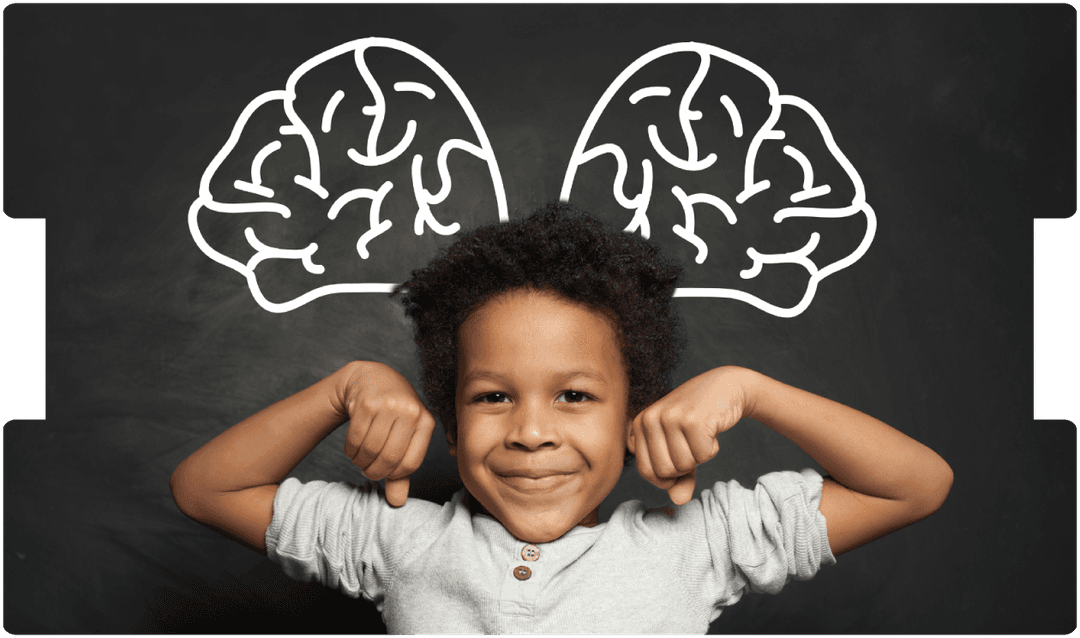
Paediatric TBI has lifelong implications for development, cognition, care needs and quality of life - directly shaping causation and quantum. This article expands on the webinar’s clinical guidance and expert‑witness perspectives.
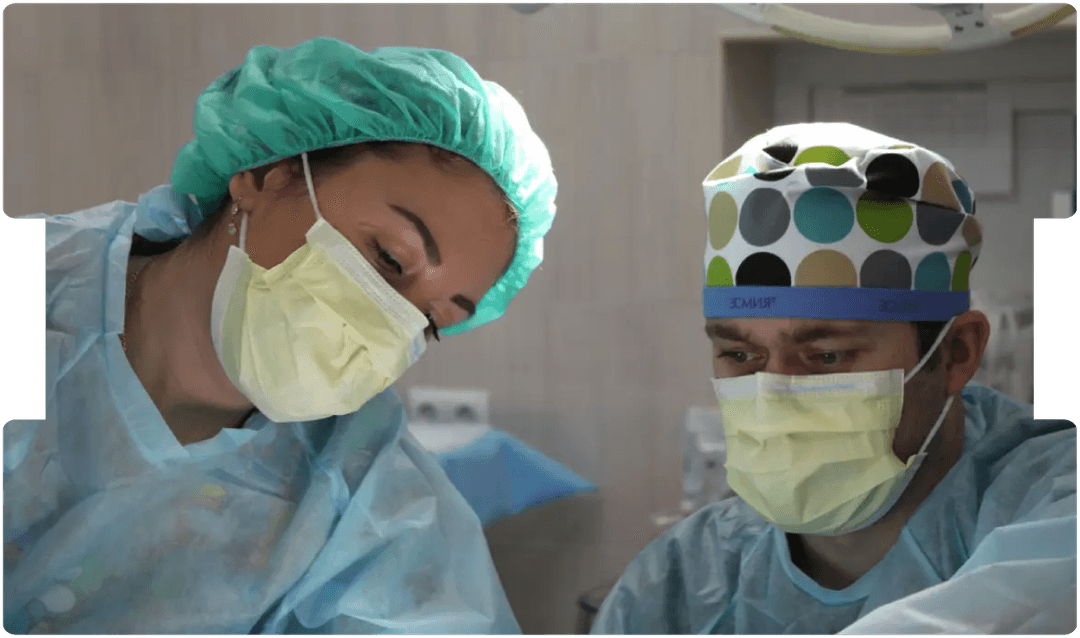
Gain expert insights on neurosurgical clinical negligence, MDT challenges, and evidence essentials to strengthen your cases and navigate complex claims with confidence and precision.
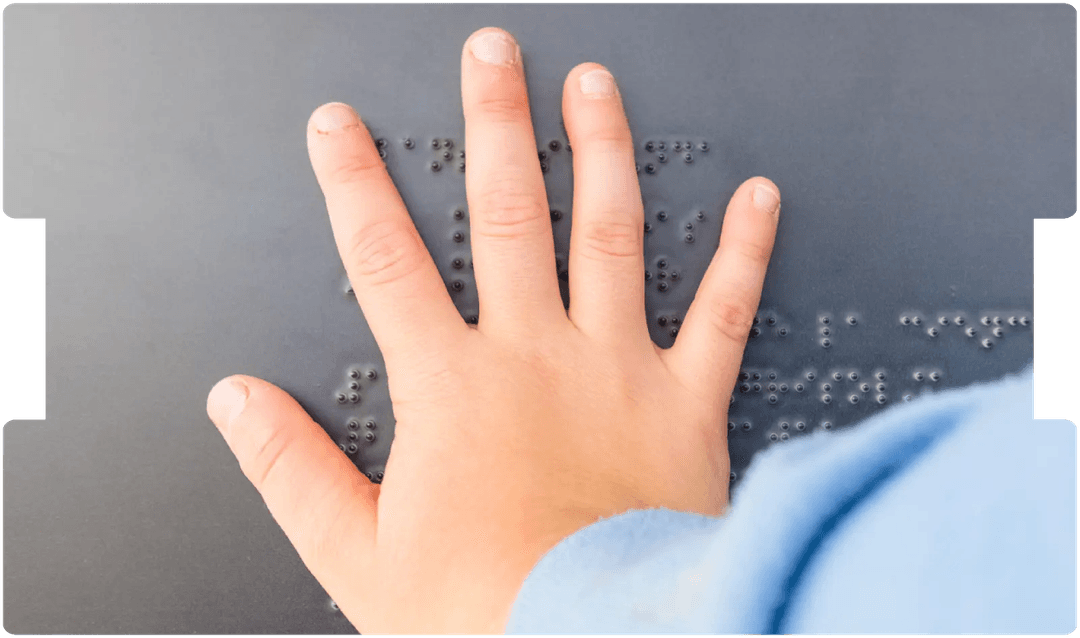
Unlock stronger paediatric brain injury claims: learn how expert ophthalmic evidence supports causation, care needs & quantum in this must-watch webinar with Prof. Jane Ashworth.
Find out why 70+ legal firms partner with INNEG.
Request a callback, or contact us.
INNEG respects your privacy. Any information you share with us will be used only to respond to your query.
Phone
+44 161 870 2461Thank you for your request!
We will get back to you as soon as possible.