Neuropsychological Evidence in Paediatric Brain Injury: Dr Nigel Colbert & Hylton Armstrong
By Dr Nigel Colbert, Consultant Clinical Paediatric Neuropsychologist
Posted 18 February 2026
4 Minute Read
In paediatric brain injury claims, early recovery, normal imaging and positive primary school reports can create false reassurance. Yet some of the most serious consequences only emerge later, when developmental demands increase and executive function is expected to operate independently.
In this webinar, Dr Nigel Colbert and Hylton Armstrong explore how subtle neuropsychological deficits present in children, why they are often missed in early years, and how neuropsychological evidence can strengthen or undermine causation and prognosis in personal injury and clinical negligence litigation. The discussion focuses on delayed emergence, the limits of conventional imaging, the role of psychometric testing, and the practical risks of premature prognosis.
About the Speakers
Dr Nigel Colbert
Consultant Clinical Paediatric Neuropsychologist and Expert Witness
Dr Nigel Colbert is a Consultant Clinical Paediatric Neuropsychologist with over ten years of medico legal experience and more than two decades working in community based neurorehabilitation. He is registered on the British Psychological Society Specialist Register of Clinical Neuropsychologists and is regularly instructed in cases involving acquired brain injury, cerebral palsy and complex developmental presentations.
His medico legal work focuses on developmental trajectory, educational and functional outcome, and the interpretation of psychometric evidence in the context of paediatric brain injury.
Hylton Armstrong
Barrister, Parklane Plowden Chambers
Hylton Armstrong is a barrister specialising in personal injury and clinical negligence claims, acting for both claimants and defendants in serious and high value matters. He has extensive experience in cases involving children with neuropsychological injury and the evidential challenges that arise where impairment is subtle, delayed or disputed.
Key Themes
In this session, Dr Colbert and Hylton Armstrong explore:
- Paediatric brain injury cases being assessed through an adult lens
- Why primary school performance can mask emerging impairment
- The sleeper effect and delayed executive dysfunction at secondary school transition
- What conventional imaging can and cannot show in subtle cases
- How psychometric testing should be selected, interpreted and contextualised
- Causation challenges in developing brains, including pre existing vulnerability and reduced reserve
- Common evidential pitfalls, including overreach, inappropriate measures and premature prognosis
- What makes a strong medico legal neuropsychology report, and where experts feel most vulnerable to criticism
Medico Legal Insights
- Normal imaging does not rule out meaningful neuropsychological impairment, particularly where network disruption affects function rather than structure.
- Early reports can be misleading because primary school environments scaffold executive demand, allowing children to compensate until secondary school transition.
- Psychometric testing is essential, but the qualitative interpretation of how a child approaches tasks can be as informative as scores.
- Causation in paediatric neuropsychology is rarely linear and must be grounded in developmental literature, trajectory and context rather than reductionistic anatomy.
- Pre existing neurodevelopmental difficulties do not automatically negate causation, but may reduce cognitive reserve and resilience following injury.
- A good report does not just list results. It builds a coherent model of the child in their environment and projects a defensible developmental pathway.
Read the full medico legal article here →
Tags:
- Neuropsychology
- Traumatic Brain Injury
- Brain Imaging Litigation
Expert Disciplines:
- Paediatric Neuropsychology
About The Author

Dr Nigel Colbert
Consultant Clinical Paediatric Neuropsychologist
Dr Nigel Colbert is a Consultant Clinical Paediatric Neuropsychologist with over ten years’ medico-legal experience and more than two decades working in community-based neurorehabilitation. He is registered on the British Psychological Society’s Specialist Register of Clinical Neuropsychologists and has extensive experience assessing children and young people with acquired brain injury, cerebral palsy and complex developmental conditions.
Dr Colbert’s practice combines psychometric expertise with detailed developmental formulation, focusing on long-term functional outcomes in education, social adaptation and employability. His dual experience in rehabilitation and medico-legal reporting informs a structured yet child-centred approach to causation and prognosis in paediatric brain injury litigation.
From the Blog
Related Articles
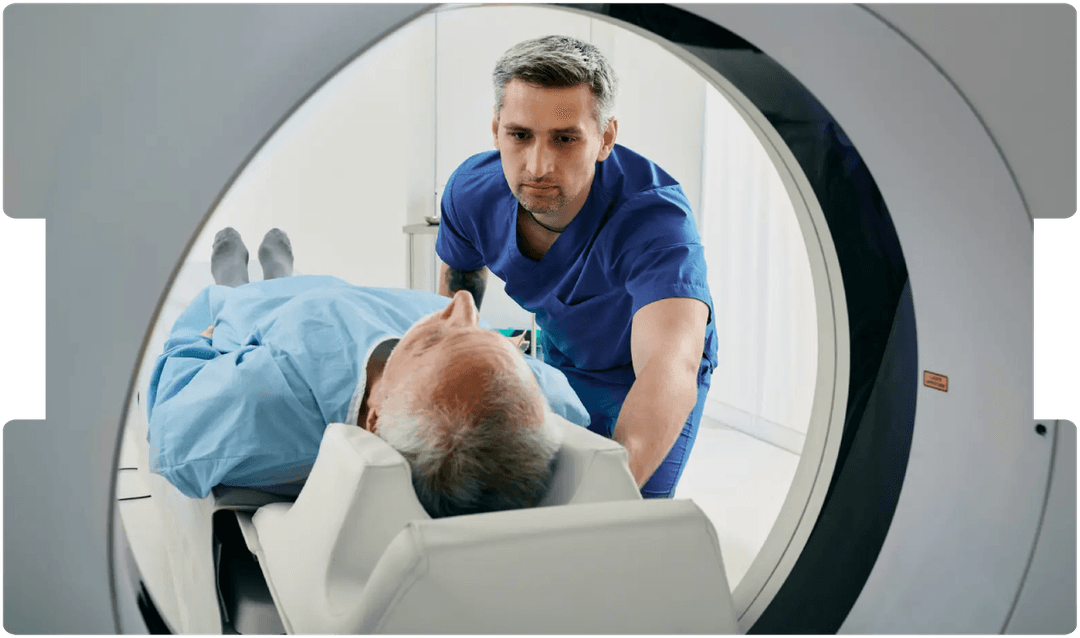
Back pain remains one of the most complex and contested areas in personal injury and clinical negligence law. When MRI findings fail to match reported symptoms, how can legal teams determine causation, disability, or prognosis?

Functional Neurological Disorder (FND) is one of the most frequently misdiagnosed and misunderstood conditions in medico-legal practice...

Paediatric TBI has lifelong implications for development, cognition, care needs and quality of life - directly shaping causation and quantum. This article expands on the webinar’s clinical guidance and expert‑witness perspectives.
Find out why 70+ legal firms partner with INNEG.
Request a callback, or contact us.
INNEG respects your privacy. Any information you share with us will be used only to respond to your query.
Phone
+44 161 870 2461Thank you for your request!
We will get back to you as soon as possible.