Paediatric Bone and Joint Infection: Diagnosis, Medical Management, Surgical Principles and Avoiding Long-Term Harm
By Mr Max Mifsud, Consultant Orthopaedic Surgeon
Posted 16 September 2026
6 Minute Read
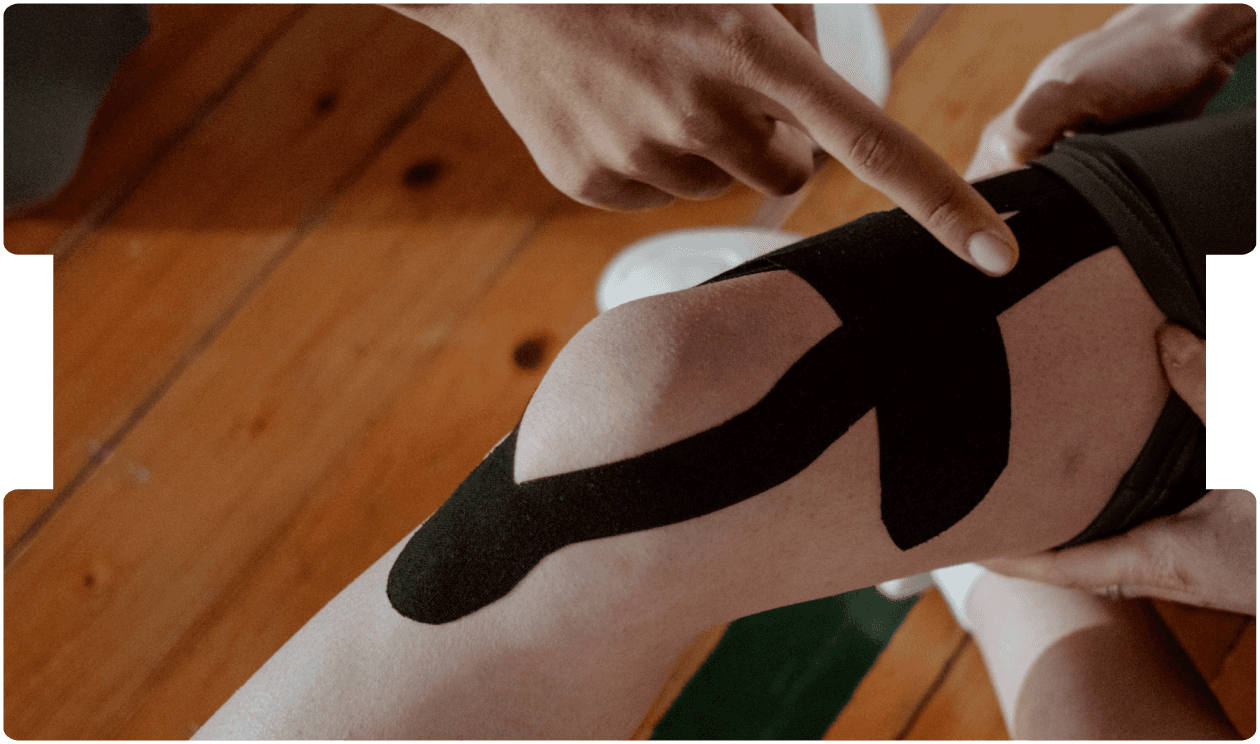
In paediatric bone and joint infection claims, the key issue is often whether infection was recognised, investigated and controlled before avoidable long-term damage occurred.
A Condition that Requires Respect
The concept of having a bone or joint infection is not well recognised by the general public. When present in children, it can progress quickly and cause lasting harm if not managed properly. Acute osteomyelitis (bone infection), septic arthritis (joint infection), and more complex subacute or chronic infections may present with fever, a limp, refusal to weight-bear, localised pain, irritability, or reduced movement of a limb. In a worst-case scenario, they can present with the child in sepsis (a life-threatening infection).
Some children are clearly unwell. Others present more subtly, particularly early in the illness or after partial antibiotic treatment. This is one reason paediatric musculoskeletal infection can be challenging. A limping child is common, but a child with infection must be identified early. The consequences of missed or undertreated infection can be serious. These include joint destruction, growth plate injury, pathological fracture, chronic osteomyelitis, deformity, limb-length discrepancy and repeated surgery. From a medico-legal perspective, the important questions are whether infection was considered, whether the investigations and work-up was adequate, and whether treatment addressed the true extent of disease.
Proper Investigation, Work-up and Imaging
Assessment begins with a careful history and examination. Red flags include fever, inability to weight-bear, worsening pain, night pain, systemic upset and local tenderness or swelling. Blood tests, including white cell count and C-reactive protein (CRP), are useful but should not be interpreted in isolation. Early infection may not produce striking abnormalities, while previous antibiotics may partially suppress inflammatory markers.
Plain radiographs (x-rays) are often useful as a baseline and to exclude other pathology, but early x-rays can be normal, especially in early stages. MRI is usually the most informative investigation for suspected osteomyelitis or myositis (infection of the muscles around the bones). It shows marrow involvement, subperiosteal abscess, soft tissue/muscle compartment extension, joint involvement and areas of necrotic bone. It also helps distinguish uncomplicated acute infection from disease requiring operative treatment.
In septic arthritis, ultrasound may identify an effusion (excess fluid in the joint), and may also be used to treat it definitively with ultrasound-guided drainage of the joint effusion. However, it does not define the full extent of adjacent bone infection and often, in anything other than an uncomplicated joint effusion, MRI is required.
Targeted Antibiotic Treatment
Antibiotics are central to treatment, but good antibiotic care is not simply a matter of giving broad-spectrum treatment for a long time. The aim should be to identify the organism and then target treatment appropriately, ideally with microbiology or infectious diseases input.
Blood cultures should be obtained before antibiotics where possible, provided this does not delay urgent treatment. If surgery is performed, fluid and tissue samples should be sent for microbiology. In selected cases, image-guided aspiration or biopsy may be useful.
Clinical response must be monitored carefully. Pain, temperature, ability to weight-bear and inflammatory markers all matter. If a child remains febrile, continues to have severe pain, cannot mobilise or has a CRP that fails to fall as expected, the diagnosis and treatment plan should be reconsidered, and often further imaging is needed. The question should not simply be whether antibiotics have been prescribed, but whether the source of infection has been controlled.
Adequate Surgery, Not Outdated Practices
One of the recurring problems in poorly managed osteomyelitis is inadequate surgery when surgery is indicated to treat the bone infection. Historically, some children underwent limited procedures described as “drilling the bone” to decompress infection. In selected circumstances decompression may have a role, but it is not a substitute for proper debridement where there is pus, necrotic tissue, sequestrum, abscess or unstable infected bone.
Good surgery means understanding the anatomy of the infection and treating it properly. In acute osteomyelitis with a subperiosteal abscess, this may involve drainage, cortical windowing and washout. In chronic osteomyelitis, it may require excision of sequestra, debridement of infected tissue, dead-space management and soft tissue planning. In septic arthritis, timely joint washout is essential to reduce bacterial load and protect the joint surface.
Local antibiotics may be useful in selected cases, particularly where debridement leaves a dead space or where infection is chronic. Antibiotic-loaded carriers or cement can deliver high local concentrations, but they should complement, not replace, adequate debridement.
Bony Stability and Fixation in Infection
In some instances, following surgery to treat an infected bone, the bone is left without sufficient stability for normal function and for successful treatment of the infection. Another common misconception is that fixation should always be avoided in infection. In fact, stability is one of the basic principles of successful infection management. An infected bone that is unstable, fractured or at risk of deformity may not heal simply because antibiotics have been prescribed.
In selected cases, fixation is not only acceptable but necessary. External fixation, internal fixation or staged reconstruction may be appropriate depending on the child, the microorganism causing the infection, the extent of bone loss, the state of the soft tissues and mechanical stability required. Avoiding fixation solely because infection is present can lead to prolonged pain, deformity, immobility and poor function.
The key is not that every child needs major surgery. Many children with uncomplicated acute osteomyelitis respond well to antibiotics. The problem arises when complex infection is treated as simple infection, or when inadequate surgery allows an acute process to become chronic, and chronically debilitating.
Patient Experience and Long-term Follow-up
Children with bone and joint infection need more than technically-good treatment. They need a team that communicates clearly with the family, explains uncertainty, and involves them in decisions. Parents may be anxious, particularly if diagnosis has been delayed or surgery is required. Children may be frightened by scans, blood tests, cannulas and operations.
Long-term follow-up is essential in many cases. Infection near a growth plate may cause growth arrest, angular deformity or limb-length discrepancy months or years later. Joint infection may lead to stiffness, incongruity or early degenerative change. Rehabilitation, return to school, return to sport and psychological recovery all need consideration.
For solicitors reviewing these cases, the central issues include timeliness of diagnosis, appropriateness of MRI imaging, microbiological sampling, antibiotic choice, adequacy of surgical debridement, use of local antibiotics where appropriate, stability of the bone, and follow-up for growth and function. Good care is modern, multidisciplinary, and decisive, and is often led by specialist surgeons and centres. When done properly, paediatric bone and joint infection can be treated successfully. When managed inadequately, it can become a lifelong orthopaedic problem.
Tags:
- Bone Loss
- Joint Infection
- Paediatric Expert Witness
- Orthopaedic Expert Witness
Expert Disciplines:
- Orthopaedic Surgery
About The Author

Mr Max Mifsud
Consultant Orthopaedic Surgeon
Mr Maximillian Mifsud is a Consultant Paediatric Trauma and Orthopaedic Surgeon and Expert Witness with 3 years’ medico-legal reporting experience, having undertaken expert work since 2023. He prepares around 12 reports per year across Claimant and Defendant instructions in Personal Injury and Clinical Negligence matters.
His specialist expertise includes paediatric orthopaedics, cerebral palsy, hip dysplasia and preservation, neuromuscular orthopaedics, limb reconstruction, bone infection, sarcoma and bone tumours, making him particularly suited to complex paediatric orthopaedic and injury instructions.
From the Blog
Related Articles

Subtle neuropsychological deficits in children are often missed in early years and only emerge when developmental demands increase. This blog explores why reassuring imaging and positive primary school reports can be misleading, and how properly framed expert evidence clarifies causation and long-term risk in paediatric brain injury claims.
Gain crucial insights on complex consent and surgical risks in paediatric spinal cases to strengthen your clinical negligence claims and better support vulnerable patients and their families.
Spinal-surgery claims are often high-value, fact-intensive, and technically demanding. For solicitors, the key question is not always whether the outcome was bad, but whether the clinical decision-making threshold and timing pathway were consistent with current evidence and guidelines.
Find out why 70+ legal firms partner with INNEG.
Request a callback, or contact us.
INNEG respects your privacy. Any information you share with us will be used only to respond to your query.
Phone
+44 161 870 2461Thank you for your request!
We will get back to you as soon as possible.